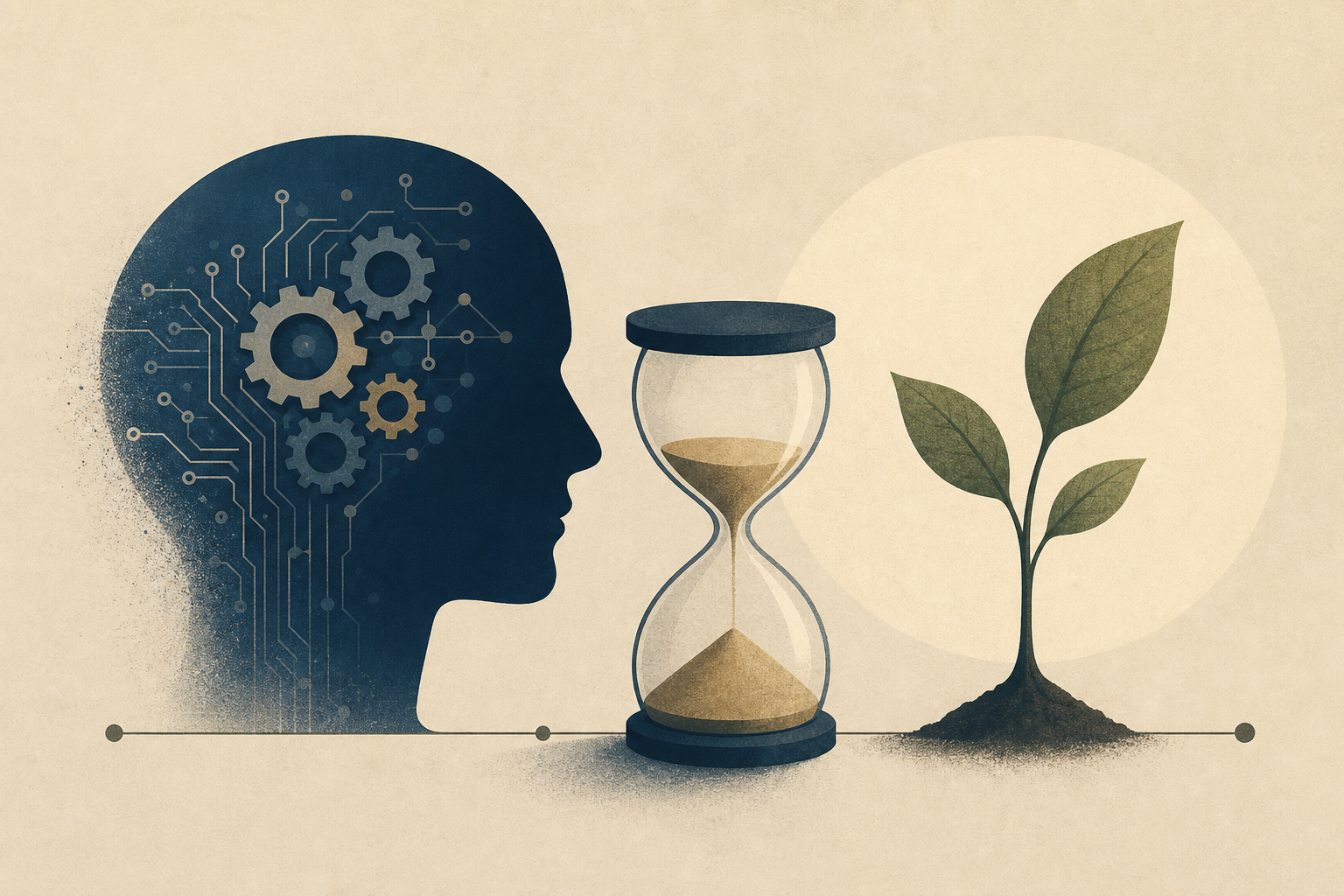
AI Generated Image
Nikola Tesla wrote in 1900 that an automaton might one day appear to think for itself — the surprise is not that he predicted modern AI perfectly, but that he understood how quickly a machine that res
Space Daily • • science
Key Points:
- In 1900, Nikola Tesla published an essay discussing his radio-controlled boat demonstration from 1898, highlighting the epistemological question of when machine behavior becomes indistinguishable from intentional action by a mind.
- Tesla argued that while his telautomaton operated solely on external instructions without internal deliberation, increasingly complex machines could appear to have volition, leading observers to attribute agency even if none exists.
- This anticipation aligns with later philosophical work, such as Alan Turing’s 1950 proposal that the observable behavior of machines, rather than their internal states, should be the basis for assessing intelligence.
- The core issue Tesla identified remains unresolved: behavior alone may trigger the inference of mind, but there is no definitive criterion to distinguish genuine cognition from sophisticated mechanistic responses.
- Modern AI systems, like large language models, evoke similar social responses and attributions of understanding despite functioning differently from Tesla’s automaton, underscoring the enduring challenge of discerning true consciousness or intentionality in machines.


