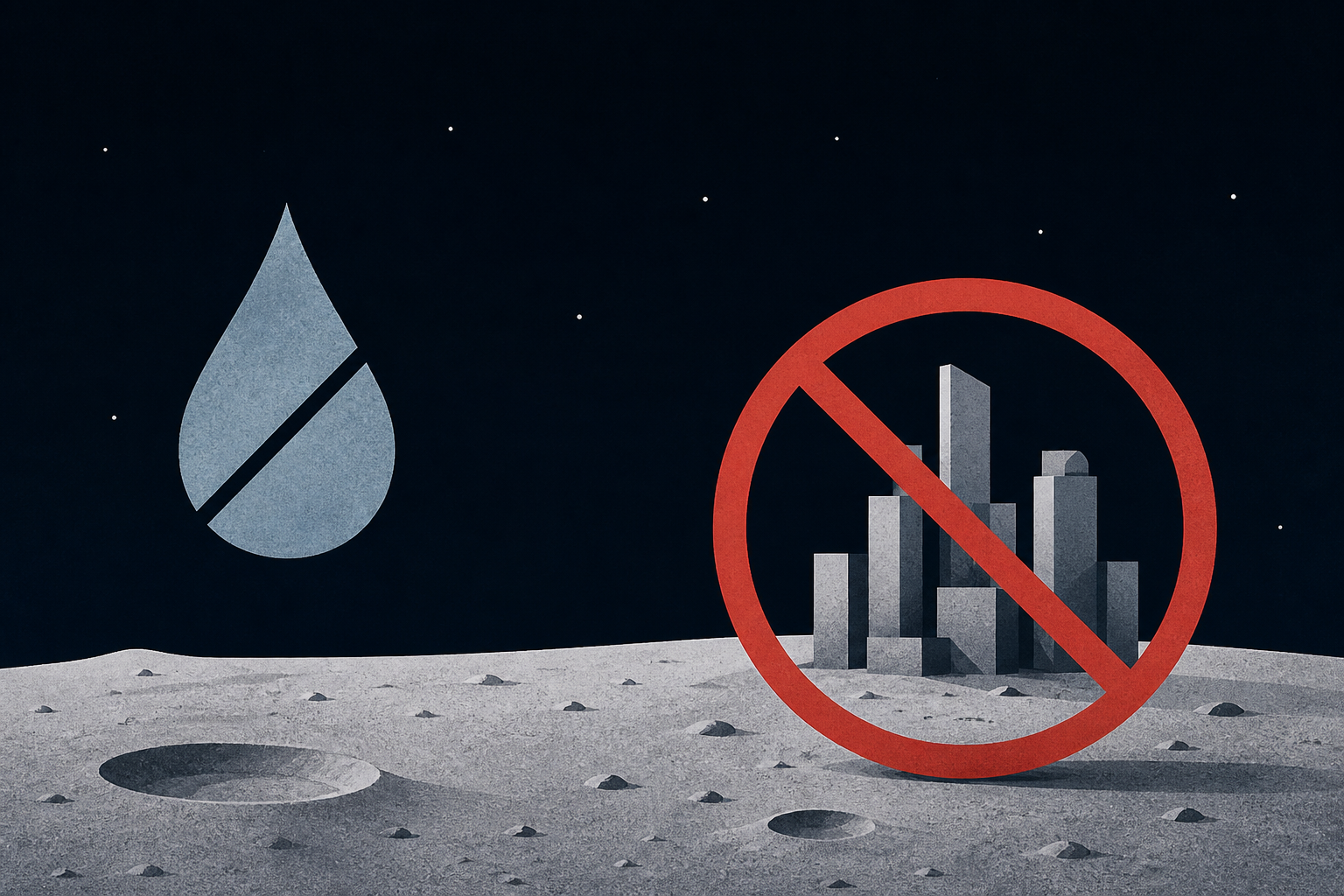
AI Generated Image
No cities on the moon - there isn't enough water, scientists say (op-ed)
Space • • general
Key Points:
- Water ice trapped in permanently shadowed lunar craters offers a potential resource for sustaining human settlements on the moon, with estimates of up to a billion tons of water present near the poles.
- Solar power availability on crater rims ("peaks of eternal light") could provide abundant energy, enabling the possibility of a lunar economy including AI data centers and manufacturing solar panels from local silicon.
- Despite abundant energy, water scarcity poses a critical challenge: even with 98% efficient recycling, a city of one million people would exhaust available water in about 100 years, and current water estimates may be 30 times lower, reducing sustainability drastically.
- Smaller settlements of a few thousand to ten thousand people could be sustainable for centuries, but large-scale cities require breakthroughs in water recycling, reduced water usage, importing water from asteroids, or discovering additional lunar water reserves below the surface.
- The feasibility of ambitious lunar colonization plans hinges on locating more accessible water, as current surveying methods only probe shallow depths, leaving potential deeper water deposits unexplored.


