AI Image
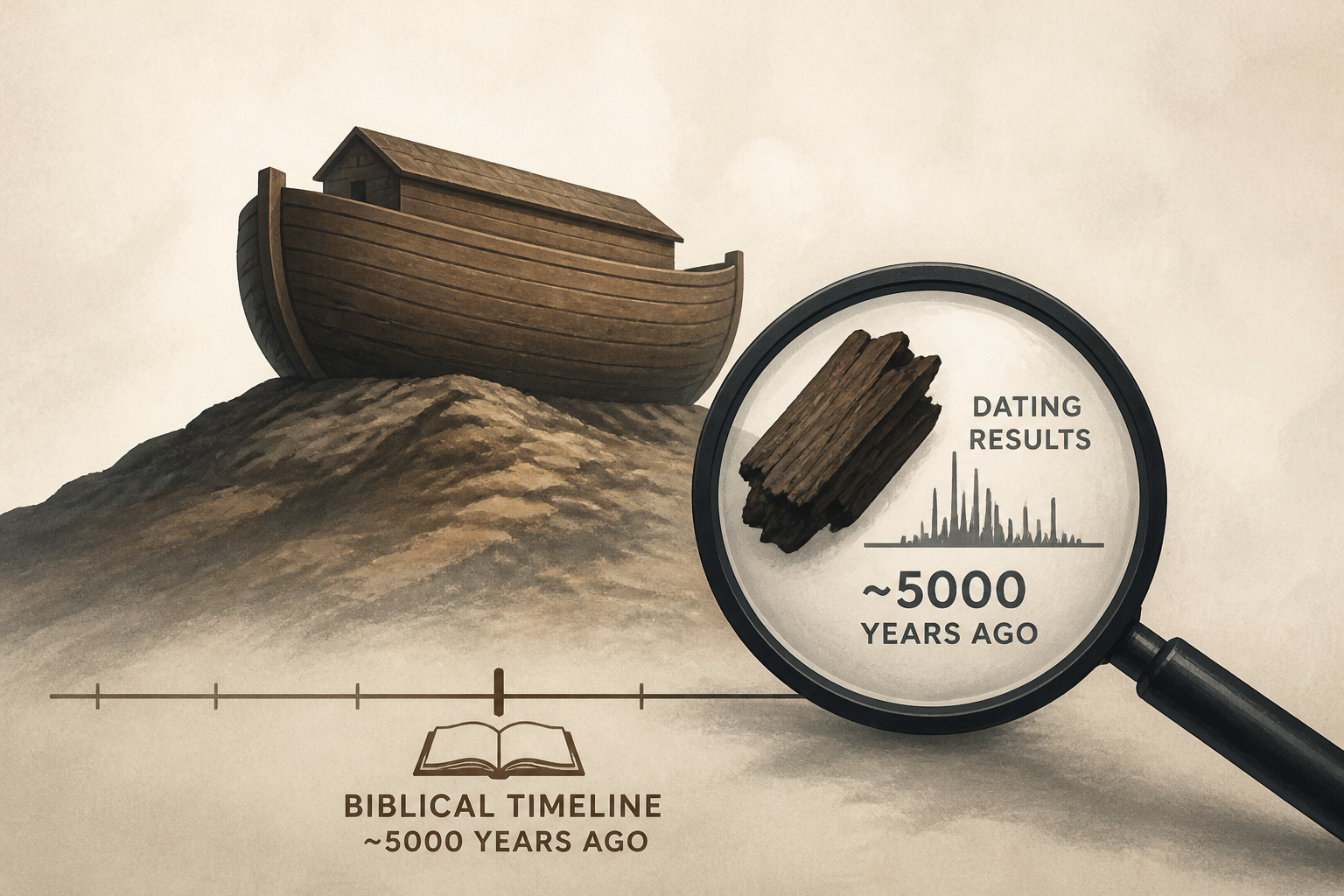
Noah’s Ark Hunters Say Lab Results Line Up With Biblical Dates
Newsweek • • world
Key Points:
- A U.S.-based group, Noah’s Ark Scans, claims new lab results show wood fragments found in the Durupınar Formation in Turkey date back about 4,300 years, aligning with traditional Biblical flood timelines.
- Archaeology Professor Cenker Atila, leading the research, believes the wood shows signs of human workmanship and may have been deliberately shaped, suggesting a possible connection to Noah’s Ark.
- The Durupınar Formation has long been debated, with previous studies concluding it is a natural rock formation, but Noah’s Ark Scans argues their findings, including radar scans indicating human-made structures, challenge these conclusions.
- The group has not yet published peer-reviewed results and acknowledges uncertainty about how the wood arrived at the site, emphasizing ongoing scientific investigation and planned soil composition tests.
- Earlier research from 1996 dismissed the formation as geological, but Noah’s Ark Scans claims to be using advanced techniques unavailable to prior researchers to support their hypothesis.


