AI Image
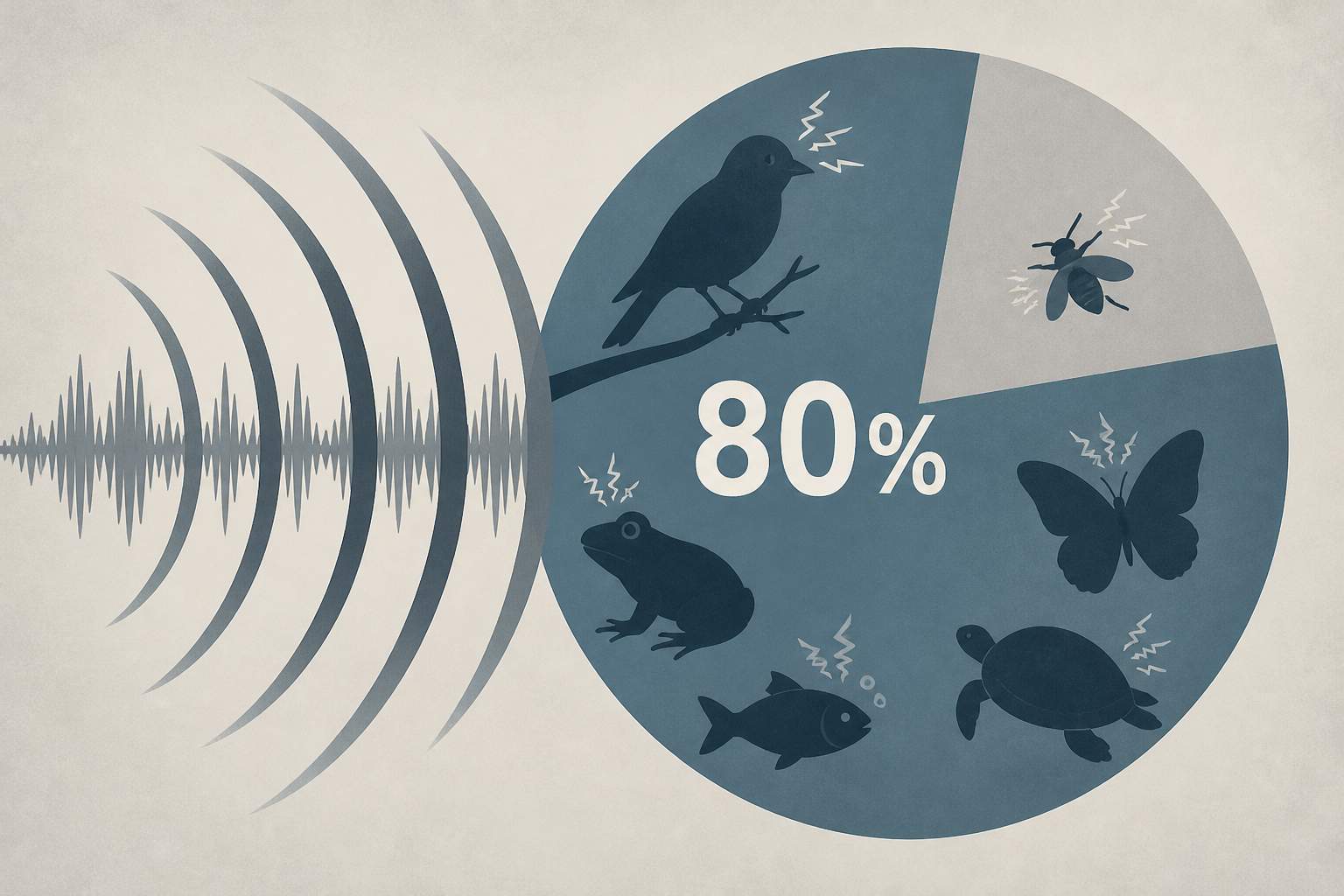
Noise pollution changes biology or behavior in 80% of animal species studied
Phys.org • • world
Key Points:
- Noise pollution, linked to various human health issues, also significantly impacts animal populations and ecosystems, according to a new study in the journal Science.
- Researchers Hansjoerg P. Kunc and Rouven Schmidt analyzed data from 214 studies covering 177 species, examining how noise affects body functions, behavior, survival, and predator-prey interactions.
- The study found that 80% of species experienced negative effects from noise, such as increased stress and altered development, though some species may benefit, creating winners and losers in ecosystems.
- These changes can disrupt ecosystem dynamics by affecting species survival and interactions, often disadvantaging predators and benefiting some prey or competing predators.
- The researchers suggest implementing targeted acoustic management strategies, like low-noise zones or acoustic refuges, to mitigate the harmful effects of noise pollution on wildlife.


