AI Image
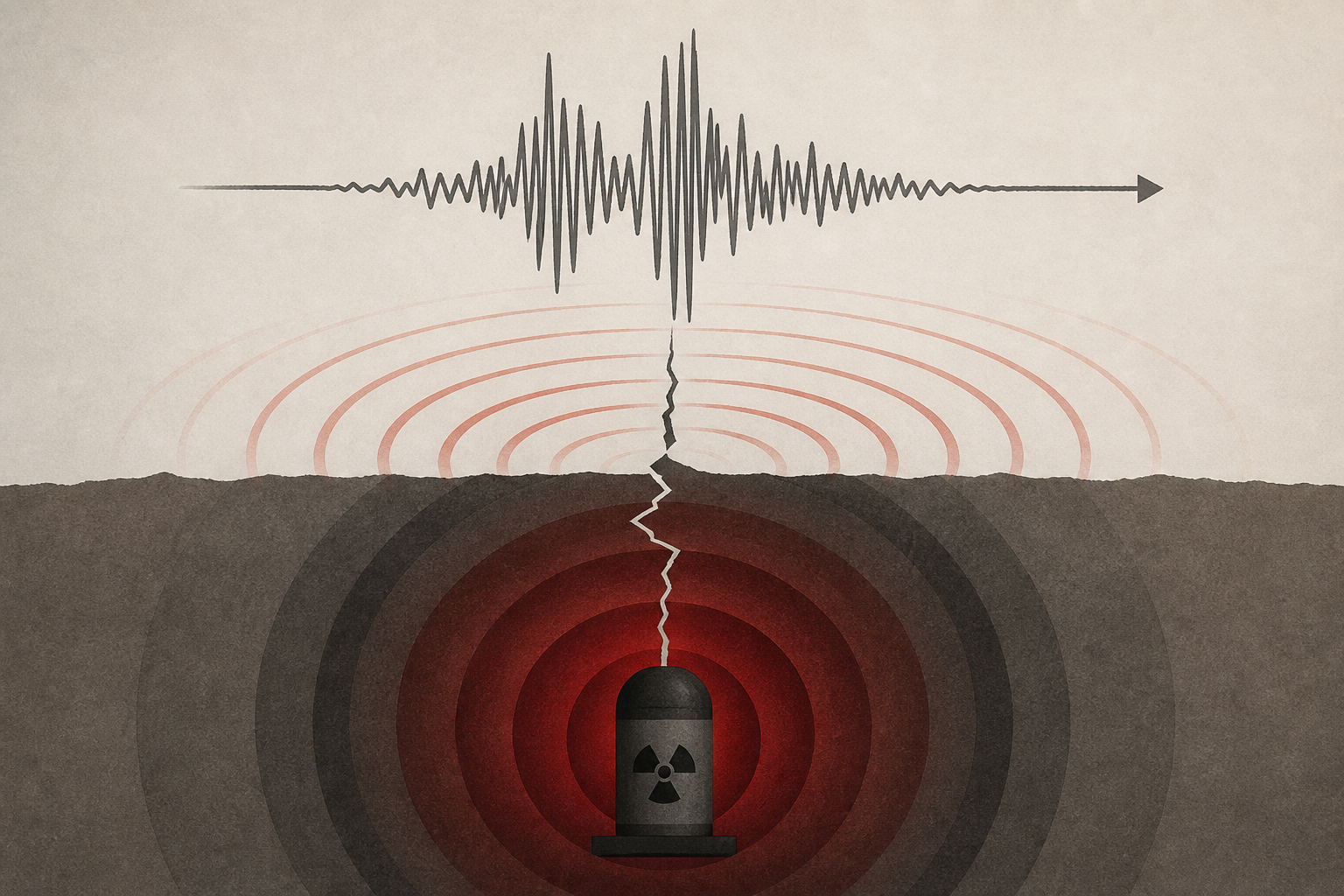
North Korea's nuclear testing may have triggered hundreds of earthquakes over several years
Phys.org • • world
Key Points:
- Between 2006 and 2017, North Korea conducted six underground nuclear tests at Mount Mantap, leading to unexpected and persistent seismic activity years after the final detonation.
- An international research team analyzed 17 years of seismic data and discovered 1,399 small earthquakes near the site, with tremors increasing steadily through 2025 instead of fading away as expected.
- The earthquakes aligned along two fault lines, including one previously unknown, indicating that the nuclear blasts damaged the crust around existing structural weaknesses.
- Researchers found that the mountain's heavy slopes exert natural pressure on the rock beneath, causing stresses to redistribute gradually and trigger fault movements years after the explosions ended.
- These findings reveal that underground nuclear explosions can cause long-lasting geological effects, complicating efforts to monitor nuclear tests under the Comprehensive Nuclear-Test-Ban Treaty.


