NSF-DOE Vera C. Rubin Observatory Launches Real-Time Discovery Machine for Monitoring the Night Sky
Rubin Observatory • • science
Key Points:
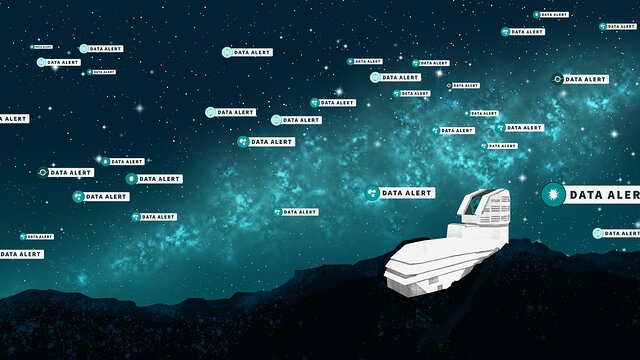
- The NSF–DOE Vera C. Rubin Observatory released its first astronomical event alerts on February 24, issuing 800,000 alerts in one night that highlighted new asteroids, supernovae, and other changes in the night sky; this system is expected to eventually generate up to seven million alerts per night.
- These alerts mark a major milestone ahead of the observatory's Legacy Survey of Space and Time (LSST), a ten-year project scanning the Southern Hemisphere nightly to capture dynamic cosmic events with the largest digital camera ever built.
- Rubin Observatory's alert system detects changes by comparing new images to templates, generating public alerts within two minutes to enable rapid follow-up observations by scientists worldwide, enhancing studies of supernovae, asteroids, and


