Officials will flush 50,000 toilets to flood a Utah lake in order to generate electricity
Fortune • • nation
Key Points:
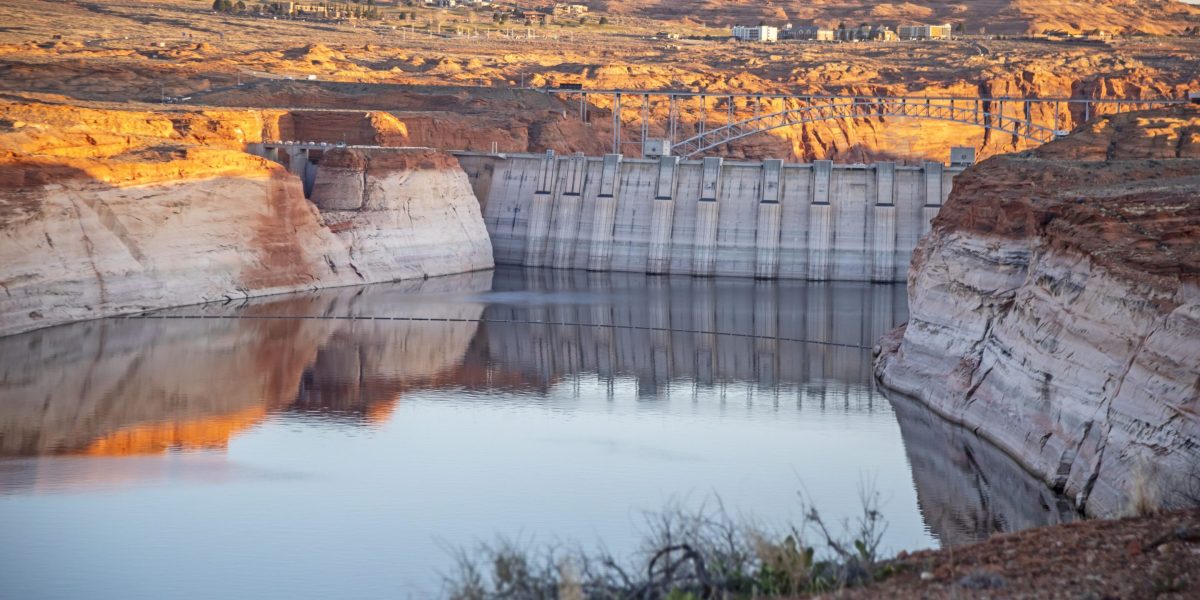
- After the driest winter on record, officials plan to release up to a third of the water from Flaming Gorge Reservoir on the Green River to raise Lake Powell’s level and maintain hydropower generation at Glen Canyon Dam.
- Lake Powell supplies carbon-free electricity to over 350,000 homes, but releasing water upstream will lower Flaming Gorge’s levels by up to 27 feet, impacting local businesses like Buckboard Marina in Wyoming.
- The water management strategy prioritizes keeping Lake Powell’s water intake above 3,490 feet to prevent turbine damage, but this will reduce outflows downstream, causing Lake Mead to approach historic lows and cutting Hoover Dam’s electricity production by 40%.
- Hydropower customers in the region, many in disadvantaged communities, face higher costs as reduced hydropower availability forces utilities to purchase more expensive and less renewable power from the market.
- The ongoing megadrought, driven partly by climate change, has depleted reservoirs and stressed water supplies; while occasional wet years may provide temporary relief, long-term water scarcity challenges persist across the Colorado River basin.


