'One of the harshest places on Earth': The 1960s green 'Utopia' that tried to reinvent the world
BBC • • world
Key Points:
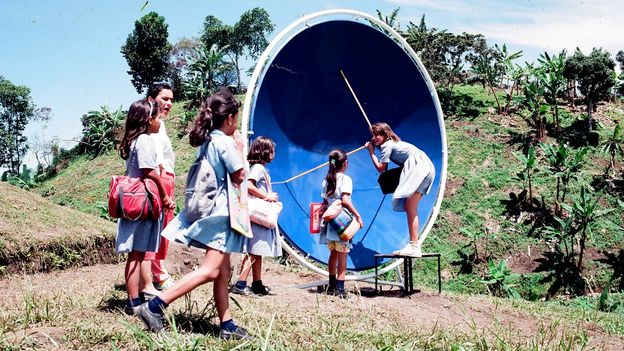
- Gaviotas, a self-sustaining community in Colombia's Los Llanos, has thrived for over 50 years by developing innovative, locally adapted technologies such as solar water heaters, water-pumping see-saws, and biofuel production, inspired partly by indigenous knowledge.
- Despite harsh environmental conditions and political violence in the region, Gaviotas has created a 31-square-mile man-made forest with over 8 million pine trees, fostering biodiversity and sustainable agriculture that supplies about 30% of the community's food.
- Many of Gaviotas' inventions have been widely replicated across Colombia and internationally, with thousands of water pumps and solar devices installed elsewhere, reflecting the community's open-source philosophy of sharing technology without patents.
- The community has evolved over time, with changes including the closure of its school and hospital, but it continues to educate children informally and maintain its ecological and social values, which former residents carry beyond the village.
- While Gaviotas remains unique due to its flexible, place-based approach, experts note challenges in replicating its success elsewhere without standardizing its methods, which might reduce adaptability to local conditions.


