AI Image
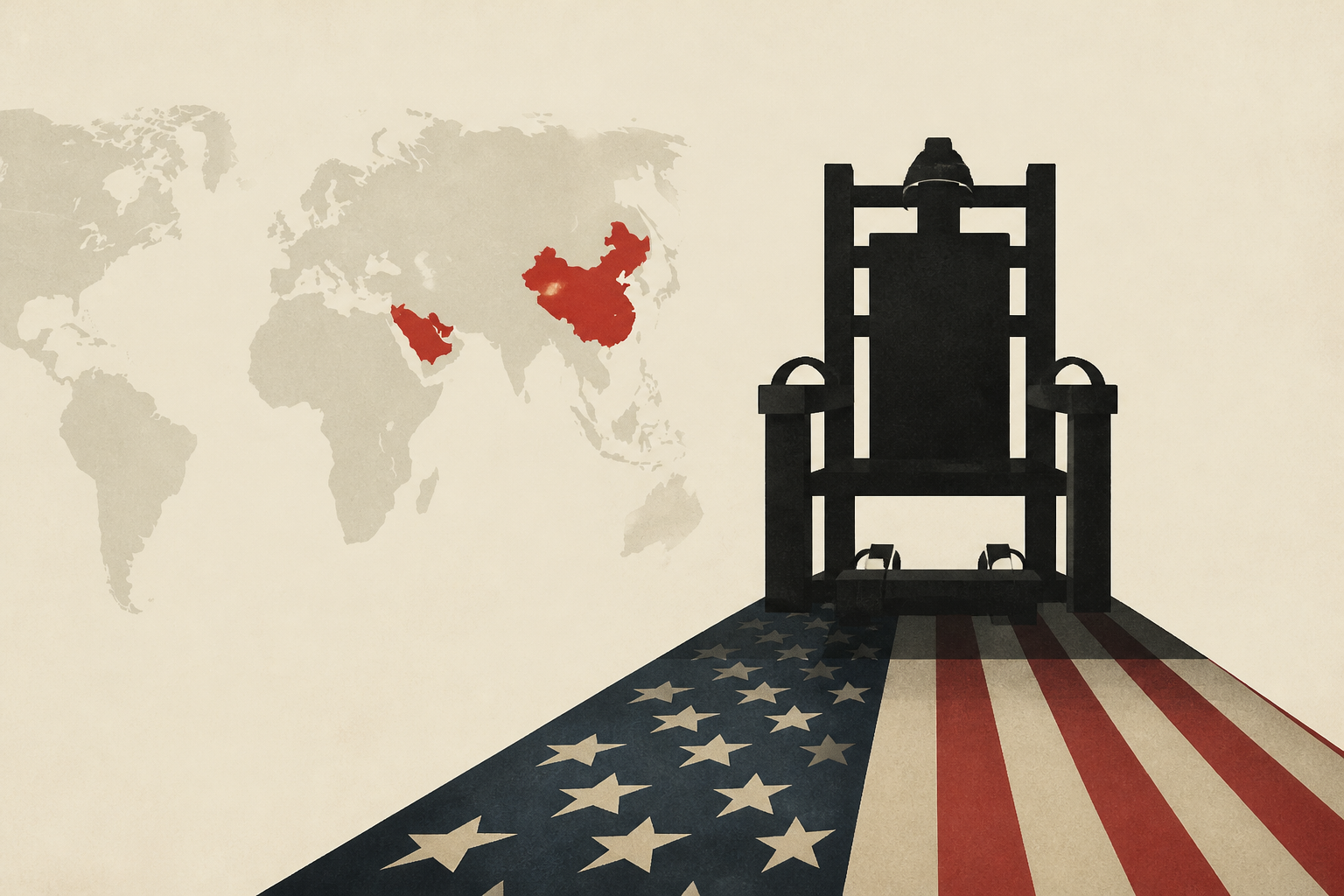
Only 2 countries held known public executions last year. The U.S. is preparing for its first in 90 years.
CBS News • • nation
Key Points:
- The U.S. Defense Department announced that Nidal Hasan, convicted for the 2009 Fort Hood killings, will be executed by firing squad in a public livestream on December 3, marking the first public execution in the U.S. in nearly a century.
- The decision has faced bipartisan criticism, with opponents likening public executions to oppressive regimes like Iran and Afghanistan, and human rights advocates calling for the abolition of the death penalty.
- Historically, the last public executions in the U.S. occurred in the 1930s, with Rainey Bethea's 1936 hanging drawing an estimated crowd of 20,000, and a smaller 1937 execution in Missouri.
- Public executions remain rare globally, mostly occurring in countries accused of human rights violations such as Iran, Afghanistan, and Yemen, where executions are sometimes conducted in public venues or livestreamed.
- Human rights organizations argue that public executions violate prohibitions against cruel and degrading treatment, lack evidence of deterrence, and perpetuate cycles of violence, condemning the U.S. decision to livestream Hasan's execution.


