AI Image
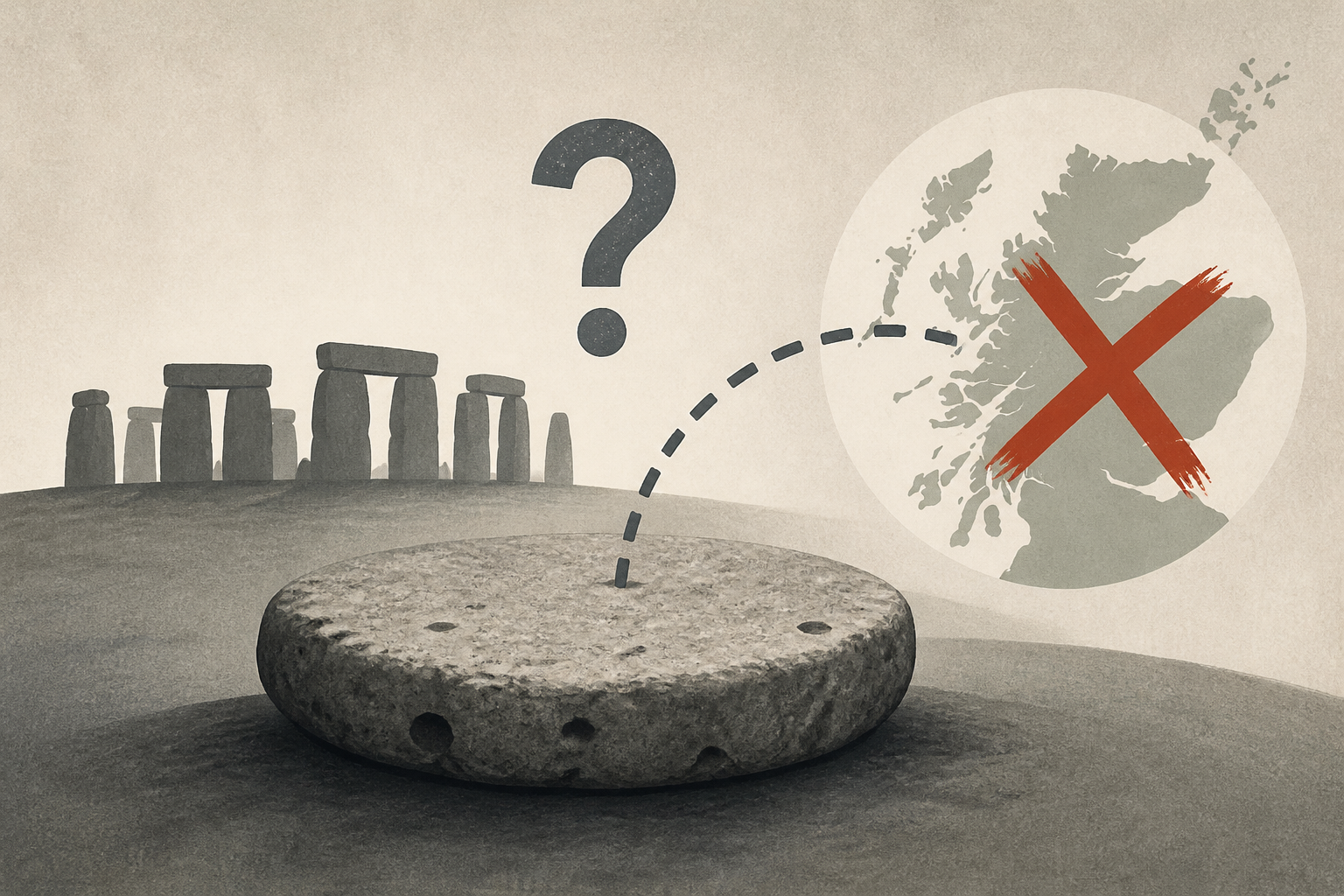
Origin of Stonehenge’s altar remains enigma as north-east Scotland theory ruled out
The Guardian • • world
Key Points:
- A recent comprehensive geological study has cast doubt on the previously suggested origin of Stonehenge’s altar stone, indicating it is unlikely to have come from north-east Scotland as once hypothesized.
- Researchers from universities in London, Wales, and Australia, along with international experts, conducted extensive fieldwork and laboratory analyses, including testing 70 samples from north-east Scotland, but found no exact match.
- The study ruled out both north-east Scotland and southern Britain as sources, suggesting the altar stone might originate from another part of Scotland, northern England, or possibly Ireland, leaving its provenance still unresolved.
- Despite the lack of a definitive origin, scientists view the elimination of potential source areas as progress, emphasizing that this is the most detailed geological investigation of the altar stone to date.
- Stonehenge specialists highlight that identifying the altar stone’s origin would provide valuable insights into the prehistoric people who transported it and their long-distance connections.


