AI Image
‘Orwellian’: HIV scientist’s ordeal lays bare Trump officials’ interference in grant-making
The Guardian • • nation
Key Points:
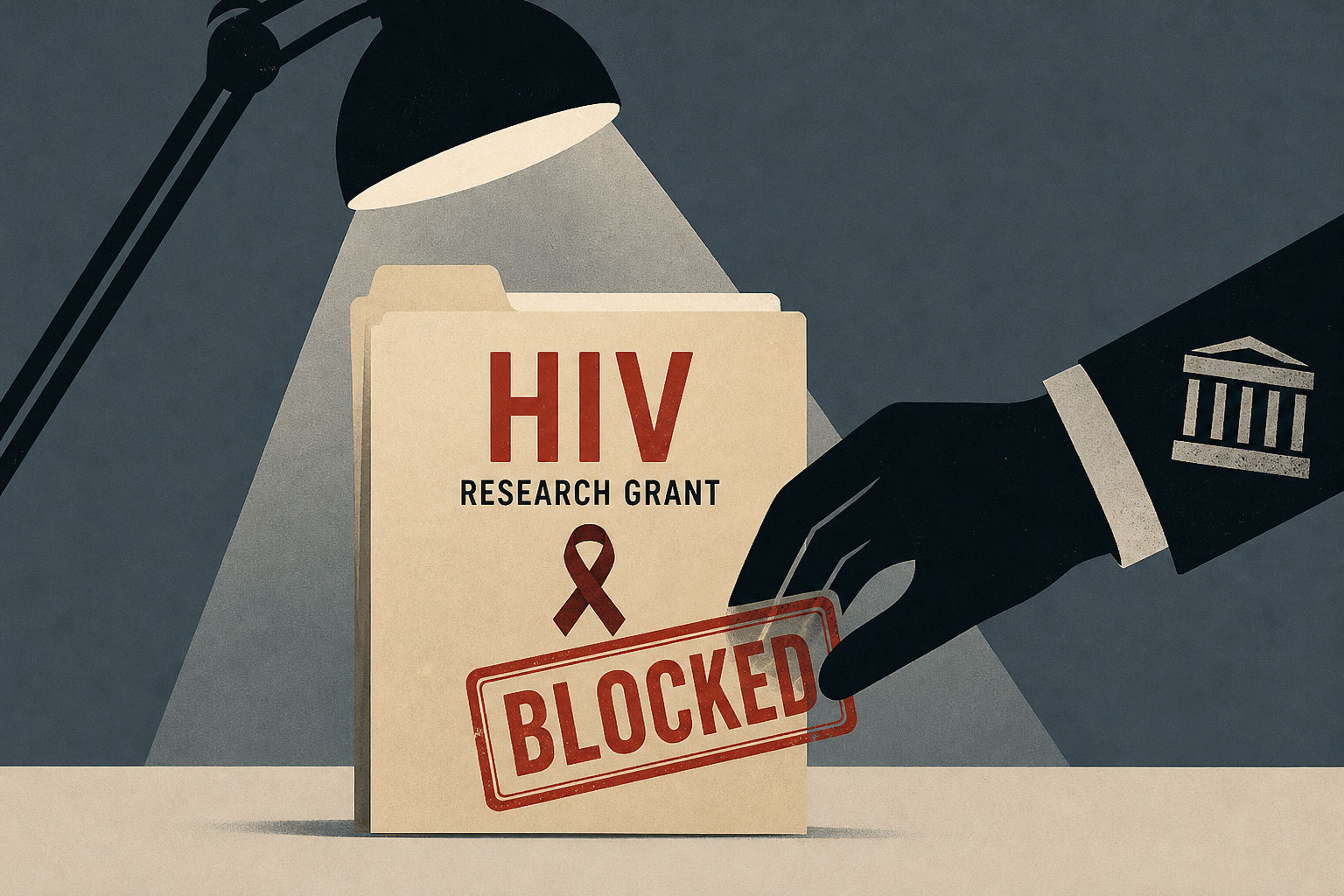
- Dr. Jade Pagkas-Bather’s NIH-funded study on basic income as a medical intervention for HIV-positive youth faced repeated demands from the Trump administration to remove references to gender identities, racial disparities, and unconditional cash transfers, ultimately forcing her to eliminate cash payments from her $1.3 million grant.
- The Trump administration implemented an opaque NIH grant renegotiation process using a text analysis tool to flag and alter grants not aligned with its priorities, significantly increasing the rate of grant modifications from 0.4% in 2023 to over 8% in 2025 and 2026.
- HIV-related grants were disproportionately affected by these changes, with around 20% of such grants altered during 2025-2026, reflecting broader restrictions on scientific research topics deemed politically sensitive by the administration.
- Critics, including former NIH officials and legal representatives, describe the renegotiation process as unprecedented censorship and viewpoint-based discrimination, leading to a First Amendment lawsuit seeking class-action status on behalf of affected researchers.
- The NIH defends the renegotiations as a normal process to ensure scientific merit and objectivity, but experts warn that restoring the agency’s integrity will require years of work under the incoming Democratic leadership.


