AI Image
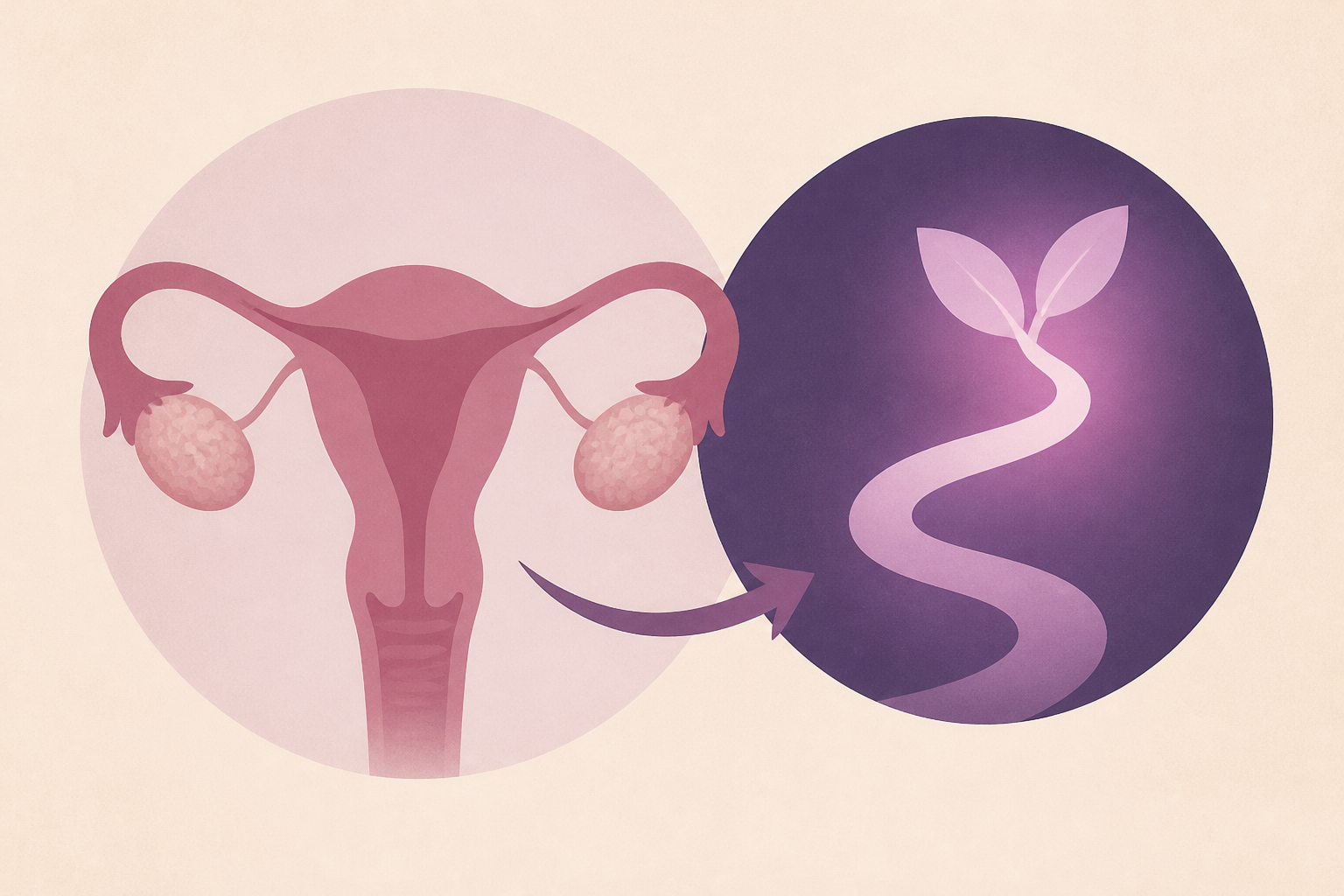
Ovaries Develop an Intriguing Second Role After Menopause
ScienceAlert • • general
Key Points:
- New research challenges the idea that ovaries become inactive after menopause, showing they undergo significant biological changes rather than simply "retiring."
- A study analyzing protein activity in postmenopausal ovaries found age-related shifts, with younger postmenopausal ovaries focused on maintaining tissue structure, while older ones showed increased lipid metabolism, immunity, and inflammation.
- These changes may contribute to a fibrotic and inflammatory environment that increases the risk of ovarian cancer in postmenopausal women, highlighting the ovary's ongoing influence on overall aging and health.
- The findings suggest menopause represents a "career change" for the ovary, impacting other organs like the brain and bones, and open new avenues for therapeutic interventions and biomarker development to reduce ovarian cancer risk.
- Understanding ovarian aging is increasingly important as life expectancy rises, emphasizing the need for improved healthcare strategies for post-reproductive individuals and those who have had their ovaries removed.


