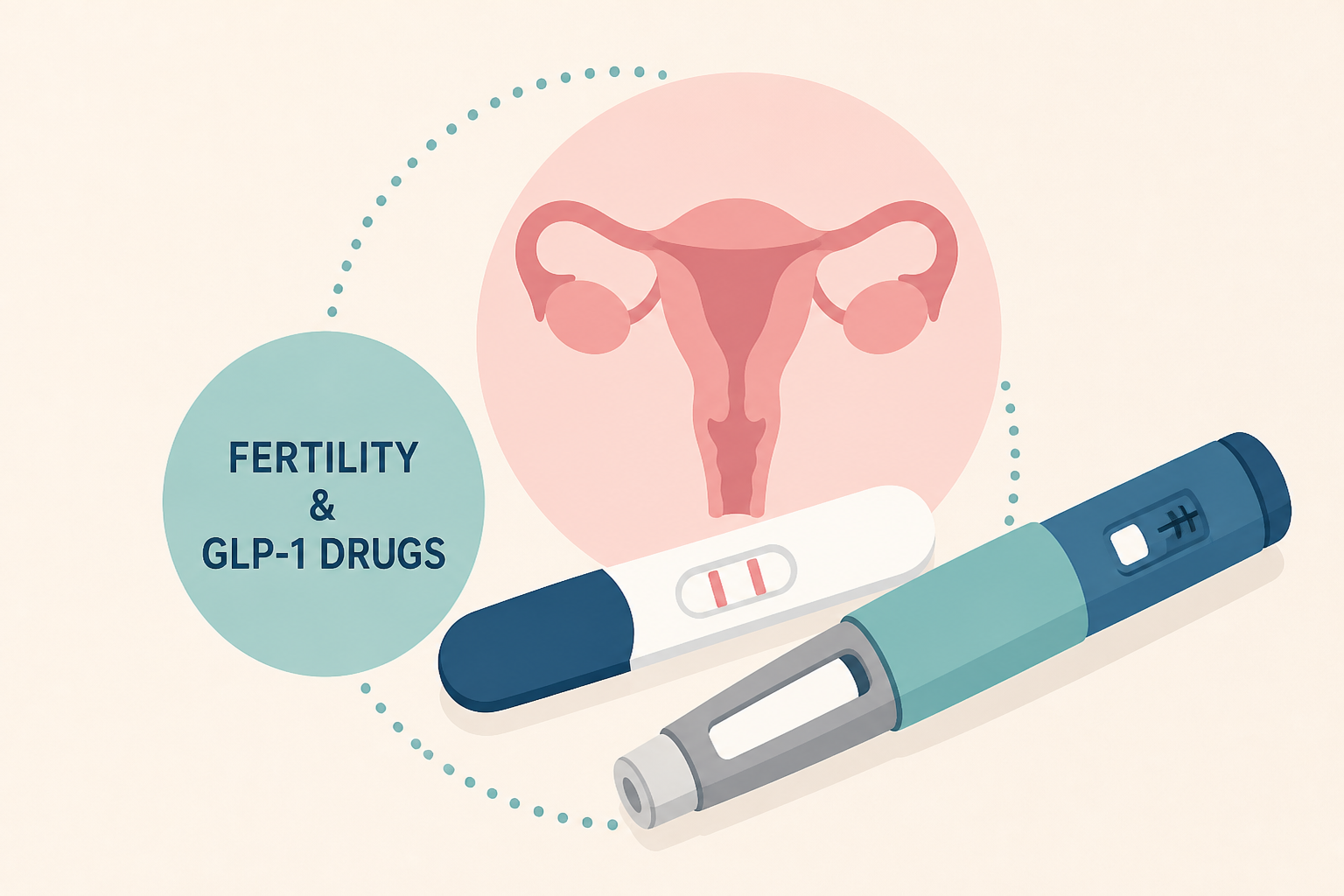
AI Image
'Ozempic babies' are real - here's what doctors want you to know about fertility and GLP-1 drugs
Yahoo Health • • health
Key Points:
- Tirzepatide, found in Mounjaro and Zepbound, can reduce the effectiveness of birth control pills by delaying gastric emptying and altering hormone absorption, especially during the first weeks and dose increases, prompting FDA recommendations to use backup contraception during these periods.
- Semaglutide, the active ingredient in Ozempic and Wegovy, has not been shown to reduce birth control efficacy, but some doctors advise caution with all GLP-1 drugs due to side effects like vomiting and diarrhea that may impair pill absorption.
- GLP-1 drugs may improve fertility primarily in women with polyendocrine metabolic ovarian syndrome (PMOS) by promoting weight loss and regular ovulation, but evidence for fertility benefits outside of PMOS or in men remains limited and inconclusive.
- Individuals planning pregnancy are advised to discontinue GLP-1 drugs prior to conception due to limited safety data and potential risks observed in animal studies, while accidental early pregnancy exposure appears not to significantly increase birth defects or miscarriage risk.
- Patients using GLP-1 drugs should discuss reproductive plans with healthcare providers to ensure appropriate contraceptive measures and individualized preconception planning, as these medications can impact fertility and pregnancy outcomes.


