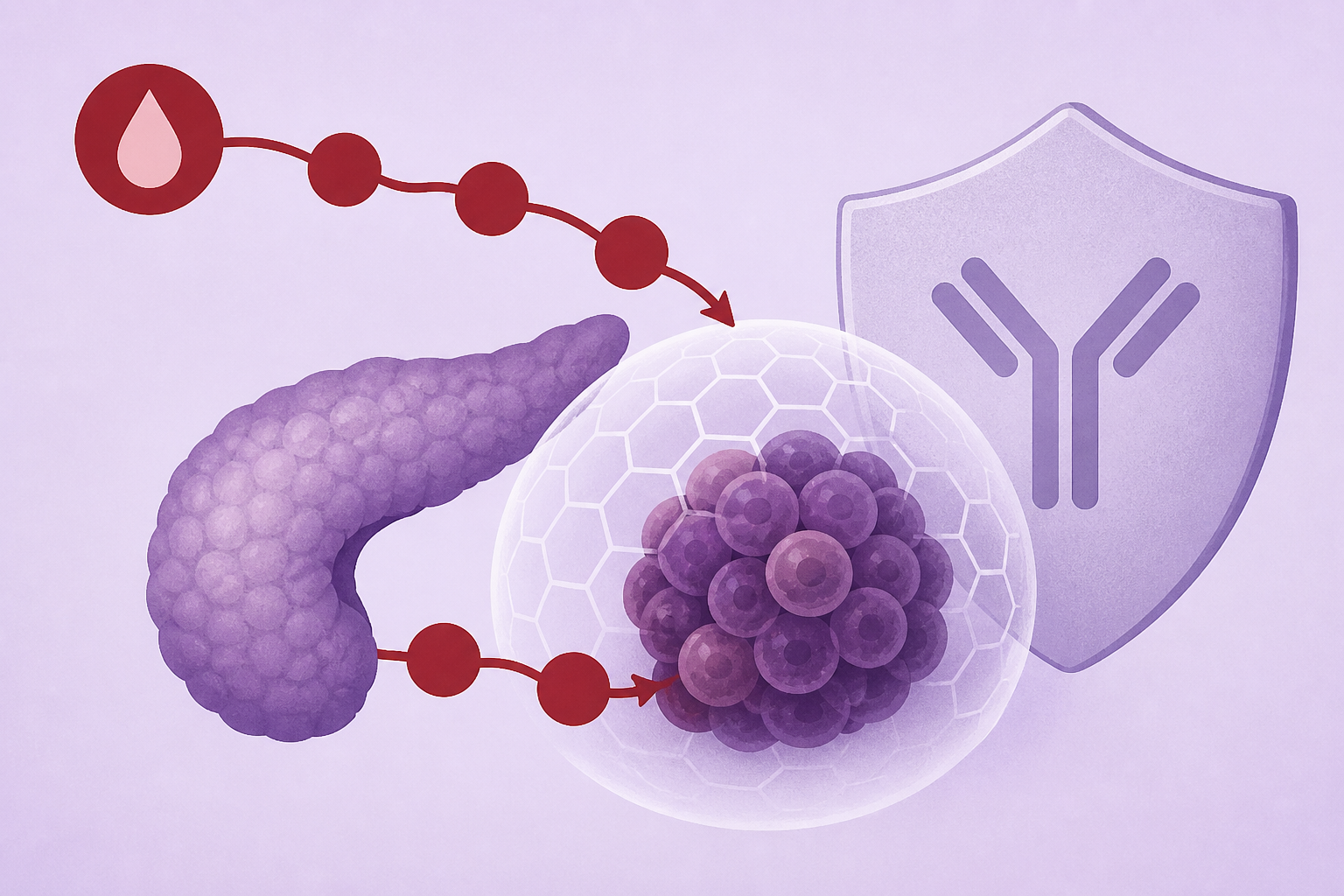
AI Generated Image
Pancreatic tumors use clotting pathway to build immune shields, study finds
Medical Xpress • • health
Key Points:
- Researchers at the Icahn School of Medicine at Mount Sinai discovered that small populations of pancreatic cancer cells create localized immune-protective niches by stabilizing fibrin, which shields tumors from immune attack and contributes to immunotherapy resistance.
- The study identified two proteins, PAI1 and PAI2, produced by cancer cells that promote fibrin buildup, attracting macrophages that suppress cancer-fighting immune cells like T cells, thus preventing immune cells from reaching pancreatic tumors.
- Even when only 5% of tumor cells produce PAI1, they can reshape the immune environment to protect themselves and neighboring cells, highlighting localized immune suppression within pancreatic tumors.
- Disrupting this protective mechanism by targeting PAI1, PAI2, or blocking fibrin-macrophage interactions slowed tumor growth and enhanced responses to anti-PD-1 immunotherapy in preclinical models, suggesting new therapeutic strategies.
- The findings also link the clotting system and immune suppression to broader disease processes, including aging and neurodegenerative diseases, indicating potential wider applications for therapies targeting this fibrin-macrophage axis.


