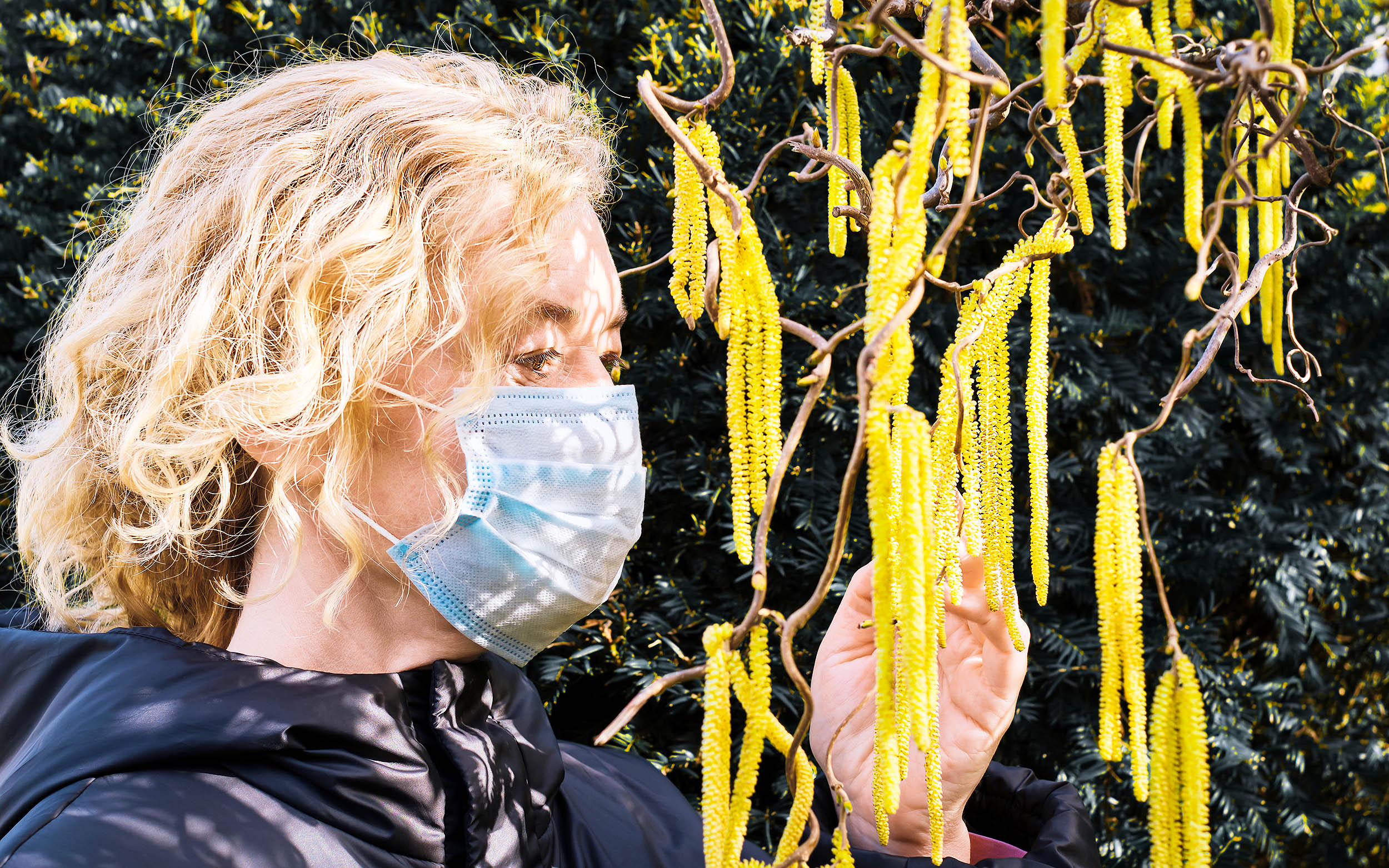
Pollen allergy season is getting longer every year due to city lights
Earth.com • • general
Key Points:
- Artificial light at night (ALAN) in cities prolongs pollen season by delaying the natural cues plants use to end flowering, resulting in longer allergen exposure for urban residents.
- Research from Vanderbilt University found that areas with more outdoor lighting experienced pollen seasons that ended later, with 27% of days reaching severe pollen levels compared to 17% in darker areas.
- ALAN affects plant biology by extending daylight hours, which delays leaf aging and dormancy signals, thus lengthening pollen production into the fall.
- The overlap of widespread light pollution and high rates of seasonal allergies in urban areas creates a public health concern, as prolonged pollen exposure increases symptoms and healthcare strain.
- Mitigating measures such as shielded streetlights, warmer light tones, motion sensors, and careful urban tree planting can reduce nighttime light exposure and help shorten pollen seasons in cities.


