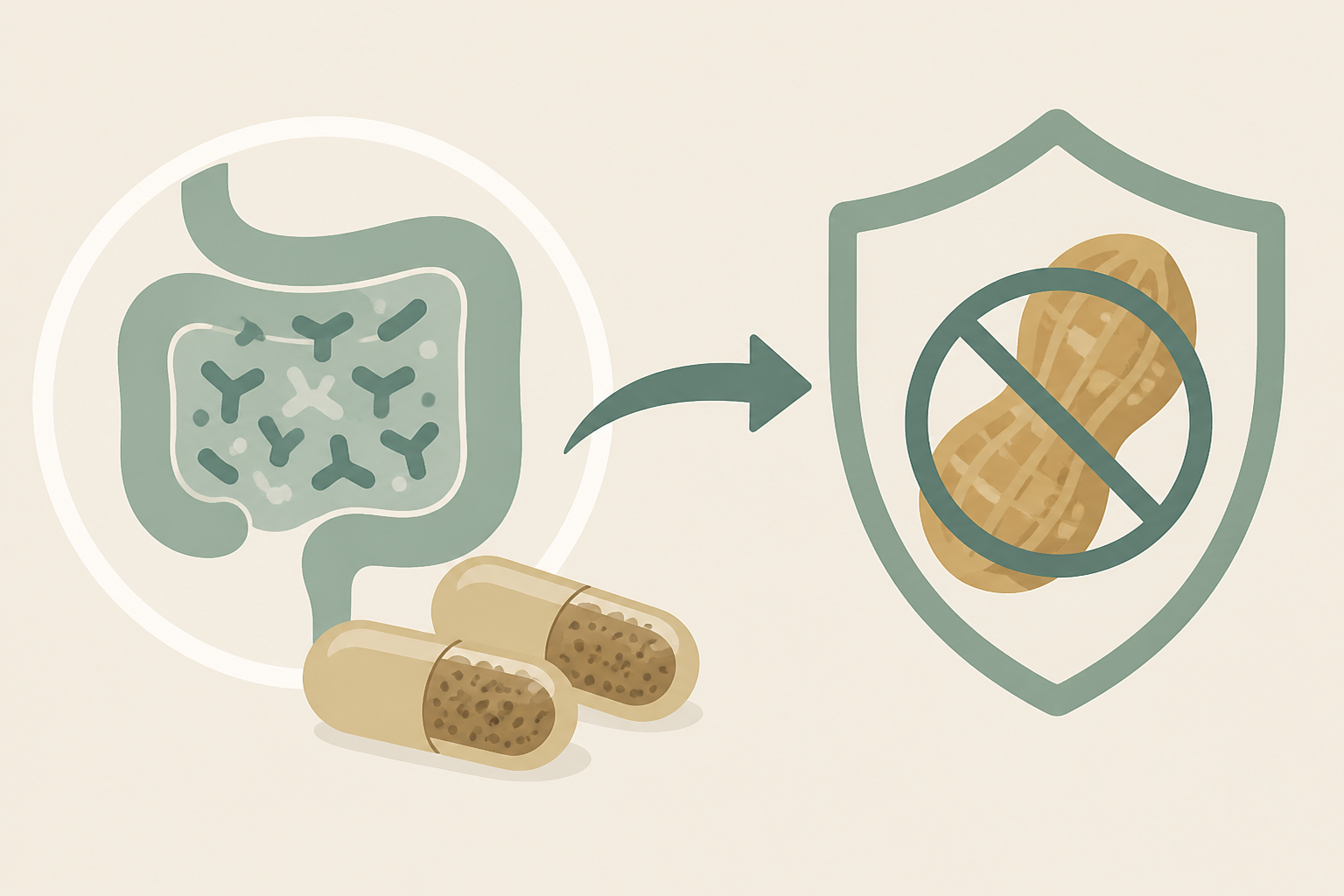
AI Generated Image
‘Poop pills’ may point to new peanut allergy treatment, study finds
LiveNOW from FOX • • health
Key Points:
- Researchers at Boston Children’s Hospital conducted a small clinical trial showing that fecal transplants from donors without peanut allergies helped some allergic individuals develop increased tolerance to peanuts months later.
- The study, published in Science Translational Medicine, is the first to demonstrate that microbiome-based therapy can improve food allergies by influencing gut bacteria, their metabolites, and the immune system.
- Current treatments for severe peanut allergies often require ongoing use and can cause reactions themselves, highlighting the need for a permanent disease-modifying therapy.
- The research identified bile salts as a key factor in how transplanted gut bacteria enhance immune regulation and food tolerance, offering insights for optimizing future treatments.
- Ongoing studies aim to refine microbe transplantation methods, including using purified microbial capsules and combining them with oral immunotherapy to improve effectiveness in teens.


