AI Image
Prisons get OK to jam contraband phones. CTIA says nearby phones will be jammed too.
Ars Technica • • nation
Key Points:
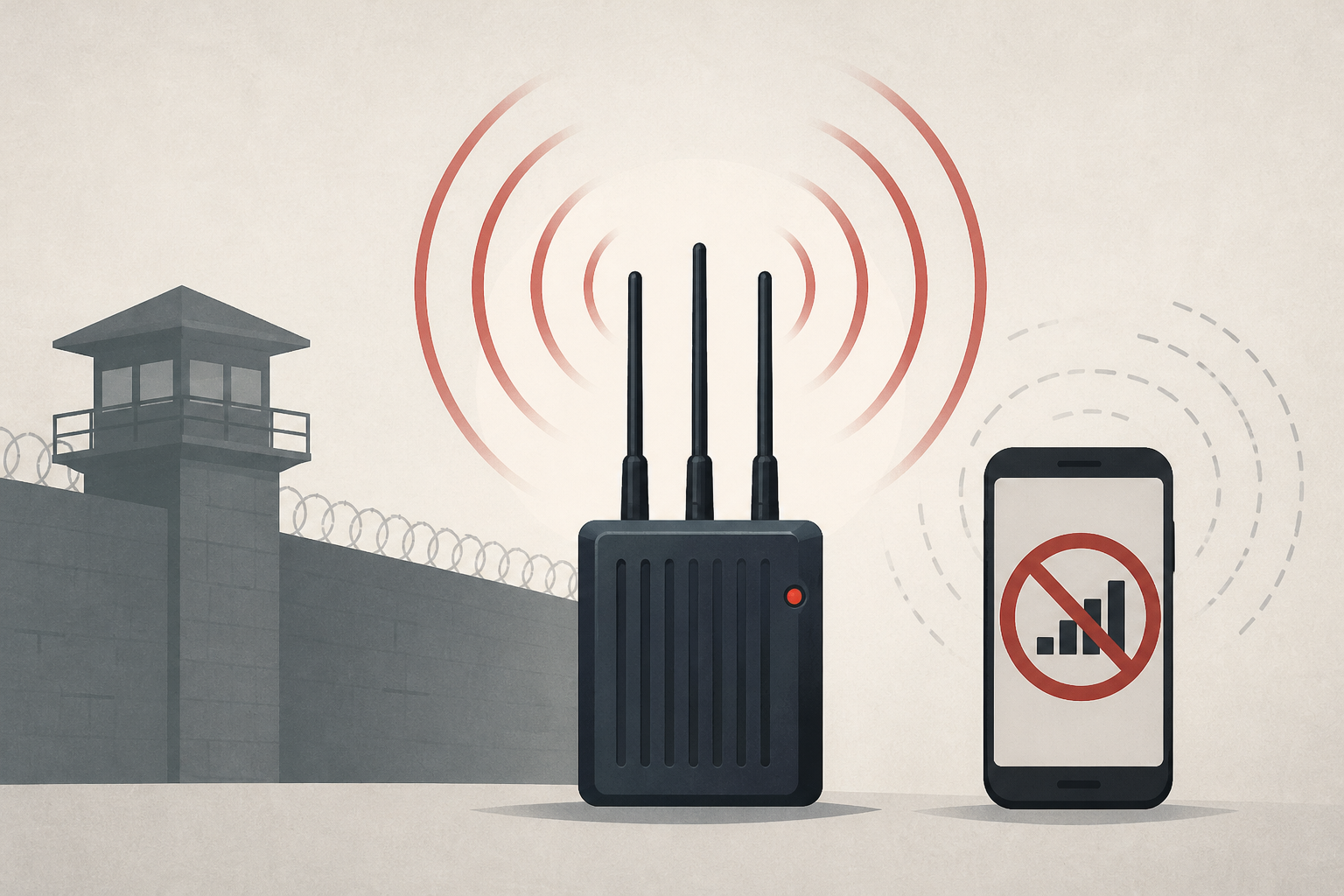
- The FCC voted to allow state and local prisons to use jamming technology to block contraband cellphones, despite warnings that such jammers can also disrupt lawful communications, including emergency 911 calls, outside prison facilities.
- A CTIA-conducted pilot test revealed that current jamming technology both fails to block many contraband calls and causes interference affecting public safety communications and wireless infrastructure up to 2.5 miles away.
- FCC Chairman Brendan Carr defended the decision, citing the widespread use of contraband phones in prisons for criminal activities and emphasizing safeguards requiring facilities to demonstrate limited interference and notify nearby communities before deployment.
- FCC Commissioner Anna Gomez expressed concerns about potential safety risks, unauthorized sale of jamming devices, and the financial burden on families of incarcerated individuals, partially dissenting due to the order not clarifying that jamming costs should not be passed to inmates' families.
- Wireless industry groups and carriers, including CTIA and AT&T, warned that jamming inherently disrupts all communications on targeted frequencies, cannot be confined to prison boundaries, and questioned the FCC's legal authority to permit such jamming under the Communications Act.


