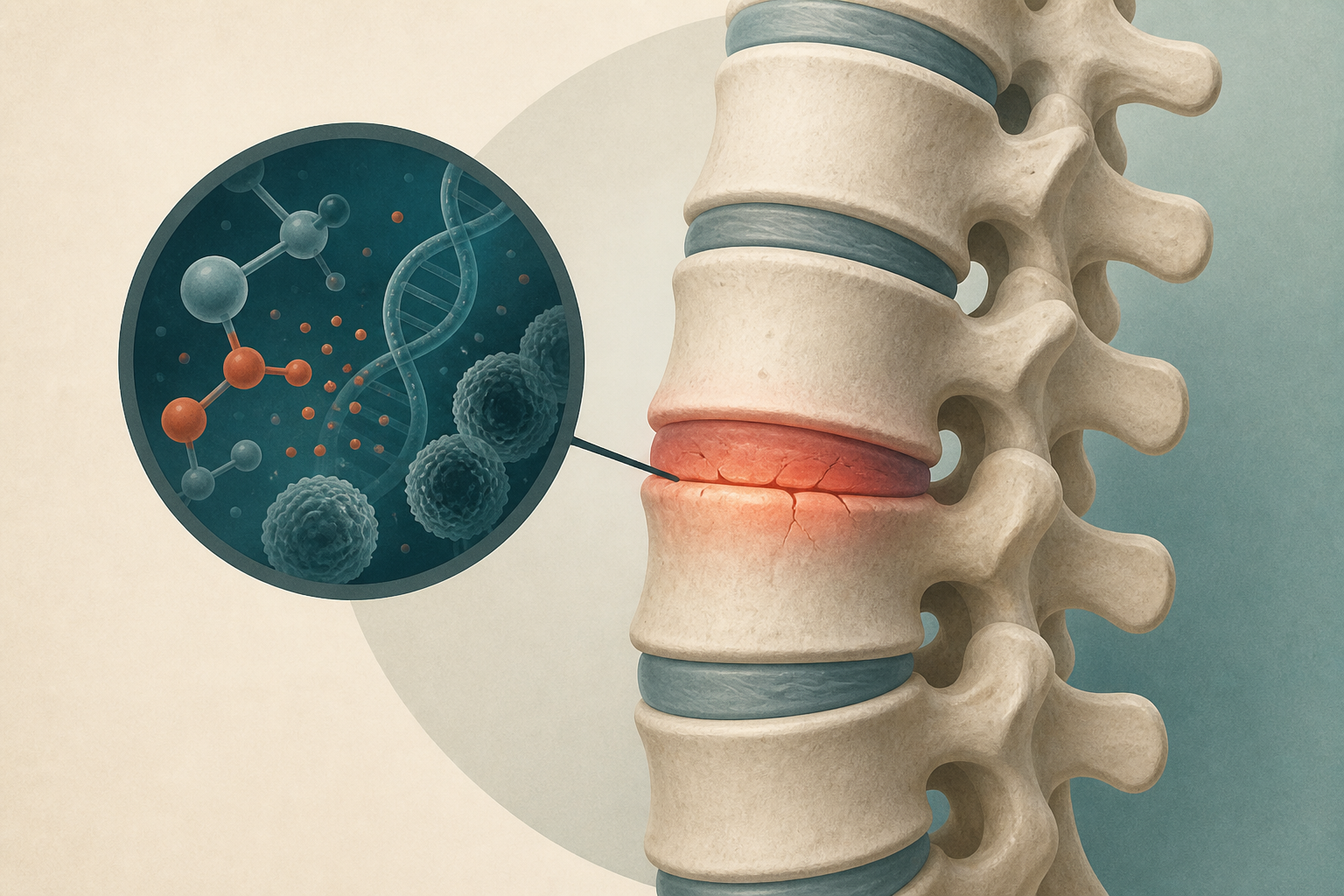
AI Image
Researchers Discover What May Be Fueling One of the World’s Most Common Spine Disorders
SciTechDaily • • science
Key Points:
- Researchers at Weill Cornell Medicine and Hospital for Special Surgery have identified specialized stem cells responsible for generating tendons and ligaments, which become overactive and numerous in lumbar spinal stenosis, contributing to ligament overgrowth and nerve compression.
- The study, published in Cell, reveals that heightened calcium signaling in these stem cells drives tissue overgrowth, and blocking this pathway in mice prevented the excessive ligament thickening associated with stenosis.
- This discovery suggests calcium channel blockers, already used for high blood pressure, could potentially be repurposed to treat lumbar spinal stenosis, offering a non-surgical therapeutic approach pending clinical trials.
- The identified stem cells are found universally in tendons and ligaments throughout the body, indicating their possible involvement in other connective tissue disorders such as Marfan syndrome and tendon injuries.
- This research opens new avenues for mechanistic treatment strategies targeting the root cellular causes of spinal stenosis and related ligament disorders, moving beyond symptom management toward disease modification.


