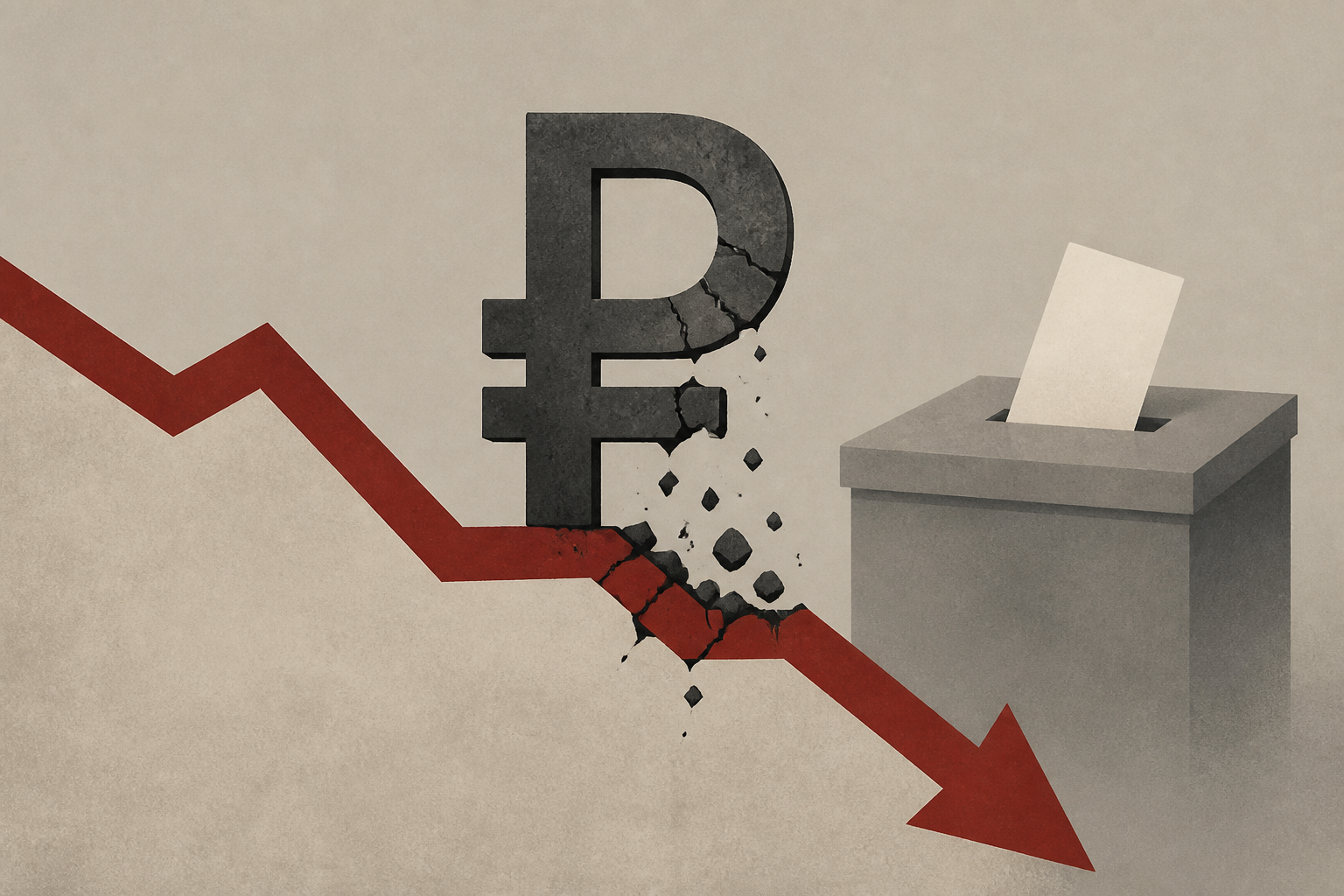
AI Image
Russians face mounting economic woes due to Putin’s war on Ukraine as country goes to polls
The Independent • • world
Key Points:
- Russia's rising defence spending is widening its budget deficit and straining its wartime economy, with consumer sentiment weakening and economic growth slowing to an expected 0.6% in 2026 after peaking above 4% in 2023-24.
- Despite these challenges, high global oil prices linked to the Iran war continue to sustain Russia's export revenues, enabling continued funding of the Ukraine invasion, while low unemployment and government spending in poorer regions help suppress domestic unrest.
- The budget deficit has nearly doubled to 2.8% of GDP by July 2026, forcing the Kremlin to borrow domestically at high interest rates up to 17%, increasing financial strain amid Western sanctions that limit new investment and productivity growth.
- Consumer sentiment has declined significantly, with the Levada Centre index falling below 100, reflecting public concerns about pensions, prices, and fuel shortages caused by Ukrainian drone attacks and strikes on major online retailers.
- Kremlin officials maintain that macroeconomic stability is ensured despite volatility, but some experts warn that Russia’s economic trajectory is unsustainable and its structural foundations are eroding, with the timing of a potential crisis uncertain.


