AI Image
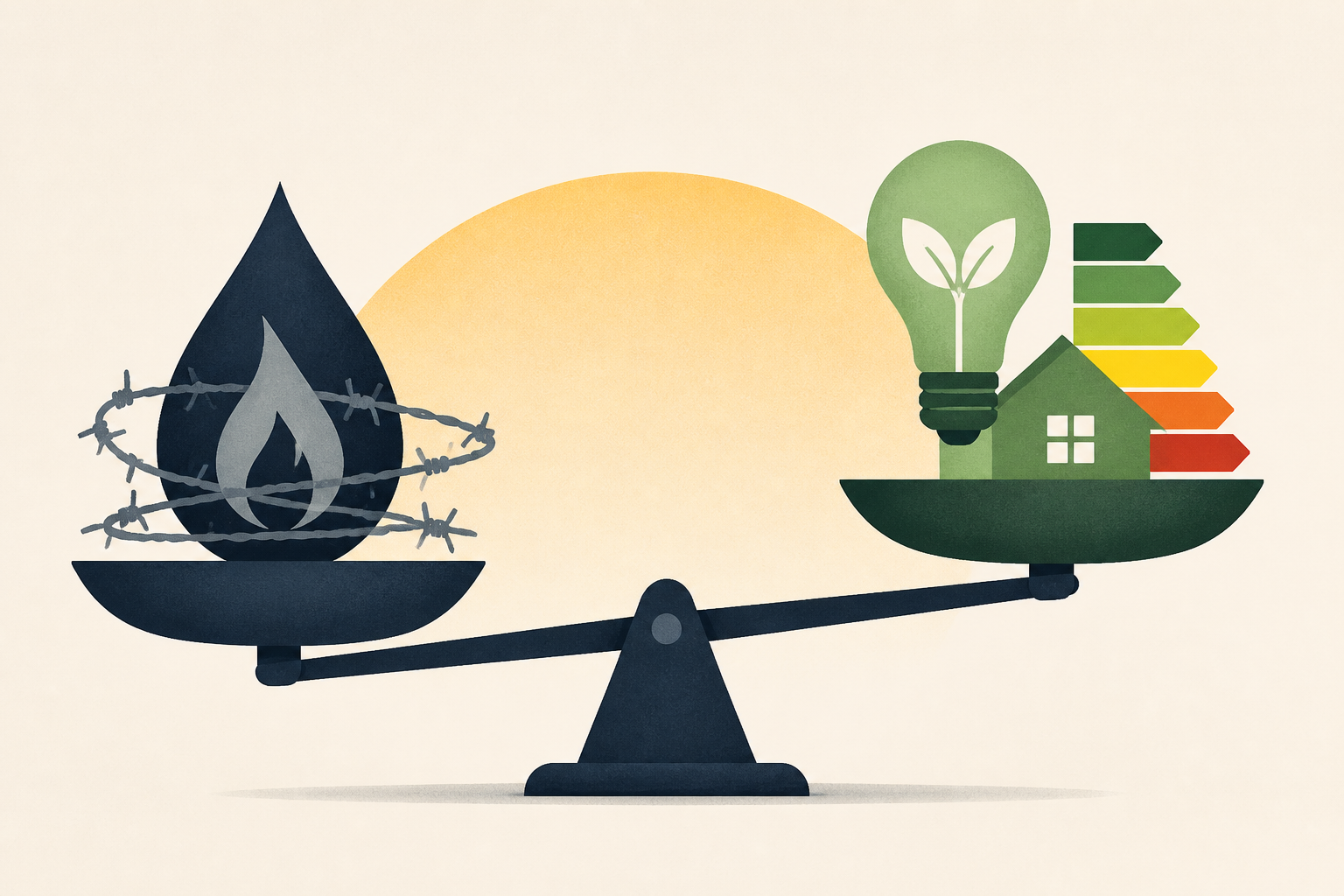
Russia’s invasion of Ukraine changed the European energy equation-now efficiency is just as important as sustainability
Fortune • • world
Key Points:
- The Russia-Ukraine war has significantly increased the cost and uncertainty of gas supply, forcing Europe to reconsider its energy transition strategy to prioritize cleaner, affordable, and secure energy without compromising industrial competitiveness.
- China is leading in energy transition by rapidly investing in a broad mix of sustainable technologies, focusing on energy security, sustainability, and economic viability, and deploying solutions at scale and pace.
- Brazil exemplifies a biofuels model, leveraging its agricultural resources to produce renewable fuels like sustainable aviation fuel, addressing sectors where electrification is challenging.
- Europe holds advantages in technology, expertise, and infrastructure but faces regulatory and economic challenges in accelerating the energy transition; it must optimize its existing renewable, nuclear, and cleaner fossil fuel resources while improving energy efficiency.
- AI, particularly "physical AI," offers opportunities to enhance energy efficiency and operational safety in industrial and building systems by integrating new technologies with legacy equipment, supporting smarter energy use and addressing labor shortages without replacing human decision-making.


