AI Generated Image
Saudi Arabia has shut a critical oil pipeline. Here’s why it matters for the global oil market
CNN • • world
Key Points:
- Saudi Arabia has shut down its East-West Pipeline due to drone attacks from inside Iraq, causing injuries and some damage; no group has claimed responsibility, but the US suspects Iran-backed proxies, which Iran denies.
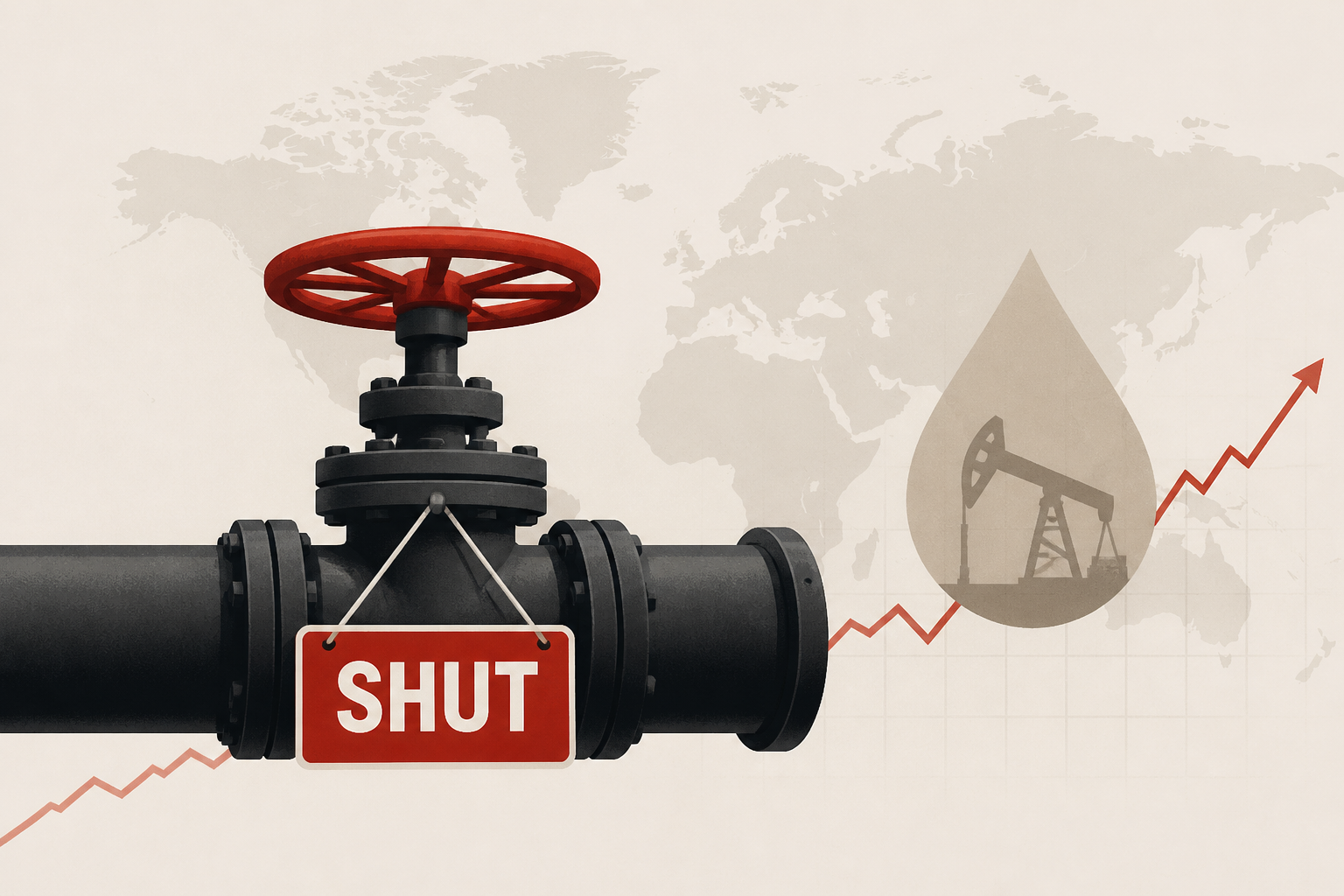
- The East-West Pipeline is crucial for rerouting Saudi crude from the Persian Gulf to the Red Sea and coastal refineries, and its closure could remove up to 4% of global oil supply, worsening an already fragile market.
- The pipeline shutdown, combined with Iran-backed Houthi rebels capturing strategic Red Sea locations, raises fears that key export routes for regional oil are closing, leading to a more than 3% rise in Brent and WTI crude prices.
- The pipeline typically pumps around 6 million barrels per day, supporting both crude exports and refinery supply; a prolonged outage could severely impact diesel availability and prices, which are already at record highs in the US.
- While Saudi Arabia may resume partial flows during repairs, a prolonged shutdown could escalate the crisis rapidly, as current crude inventories at Yanbu are expected to last only about 4-7 days.


![IGN Ownership Chooses Busiest Time For Games Media In Years To Lay A Bunch Of People Off [Update]](https://media-cdn.cashwalklabs.io/https%3A%2F%2Fs3.us-west-2.amazonaws.com%2Fimages.cashwalklabs.io%2F0_admin%2Fnews-ai-images%2F01a0a299-7205-775b-b6ad-a01e64ffe8ff.webp?format=webp&w=120&h=80)


