AI Generated Image
Science, risks and data behind focal therapy for prostate cancer
STAT • • health
Key Points:
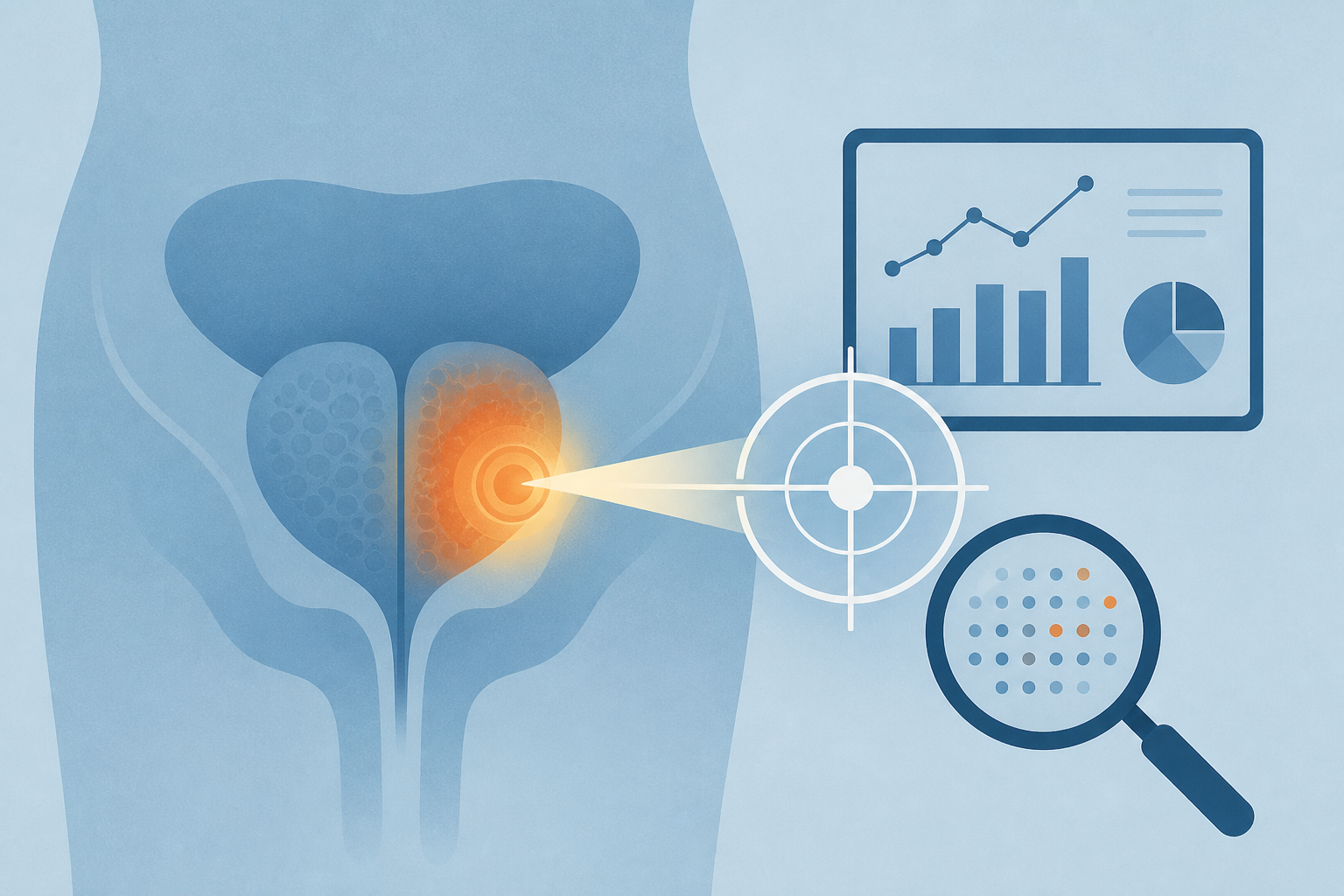
- Focal therapy is an emerging, less aggressive treatment for localized prostate cancer that targets only cancerous lesions visible on MRI, aiming to preserve the prostate and reduce side effects like incontinence and erectile dysfunction compared to traditional surgery or radiation.
- Despite growing interest and some positive long-term data—such as a U.K. study showing comparable 10-year survival rates to standard treatments—focal therapy remains classified as experimental by the American Urological Association and is mainly recommended within clinical studies.
- The most common focal therapy methods include cryotherapy, laser ablation, and high intensity focused ultrasound (HIFU), with HIFU being the fastest growing; however, uptake in the U.S. remains low, with only about 1.3% of prostate cancer patients receiving this treatment.
- Critics argue that focal therapy lacks robust, randomized trial data comparing it directly to standard treatments, raising concerns about its long-term effectiveness and the risk of overtreatment, especially since it is sometimes used outside guideline-recommended patient groups.
- Patients choosing focal therapy often report high satisfaction due to fewer side effects and quicker recovery, but the treatment can be costly and is often not covered by commercial insurance, leading some to pay significant out-of-pocket expenses.


