AI Generated Image
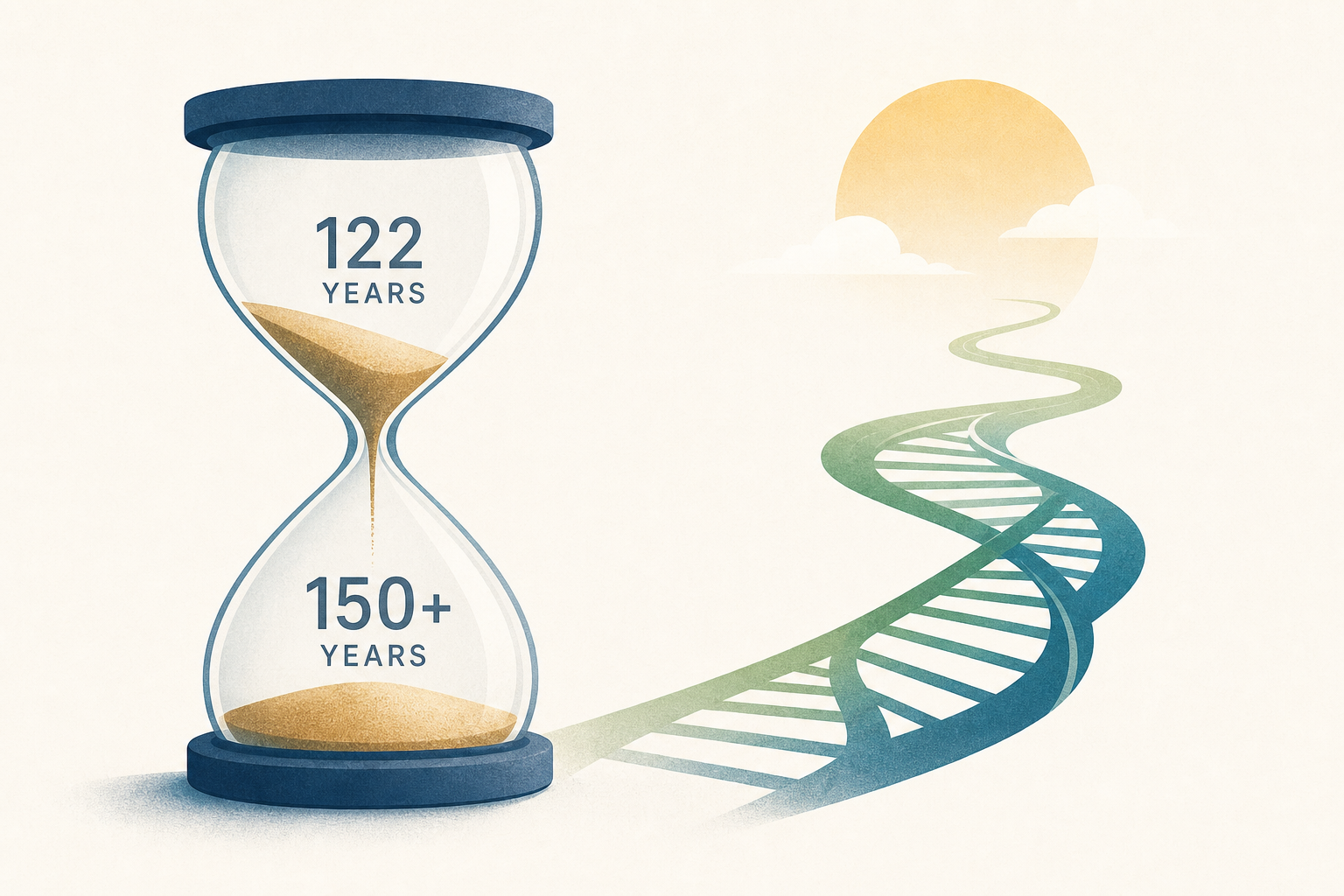
Science thought the human lifespan was 122 years. A new model says we could live decades longer.
Yahoo News Canada • • science
Key Points:
- The current oldest living person is Ethel Caterham from the UK, aged 116, while previous research suggested a human lifespan limit of about 122 years.
- A 2026 study by Russian researchers proposes that humans could potentially live up to 156 years by addressing somatic mutations, which are DNA changes accumulating in cells and contributing to aging.
- Somatic mutations affect organs differently; vital organs like the brain and heart, which have limited cell regeneration, are most vulnerable, explaining why diseases like dementia and heart failure are leading causes of death.
- Although the study highlights the role of DNA damage in aging, other biological factors also contribute, and experts emphasize that preserving brain and heart cell DNA is critical for extending healthy lifespan.
- While no treatments currently exist to reverse somatic mutation damage, lifestyle habits such as not smoking, maintaining a healthy weight, and managing health conditions can increase life expectancy by up to 10 years, according to NIH experts.


![Hasbro reveals The Legend of Zelda: Heroes of Hyrule toys [update: pre-orders live]](https://media-cdn.cashwalklabs.io/https%3A%2F%2Fs3.us-west-2.amazonaws.com%2Fimages.cashwalklabs.io%2F0_admin%2Fnews-ai-images%2F019f8d27-04ed-7167-a03a-c3a6947127e9.webp?format=webp&w=120&h=80)


