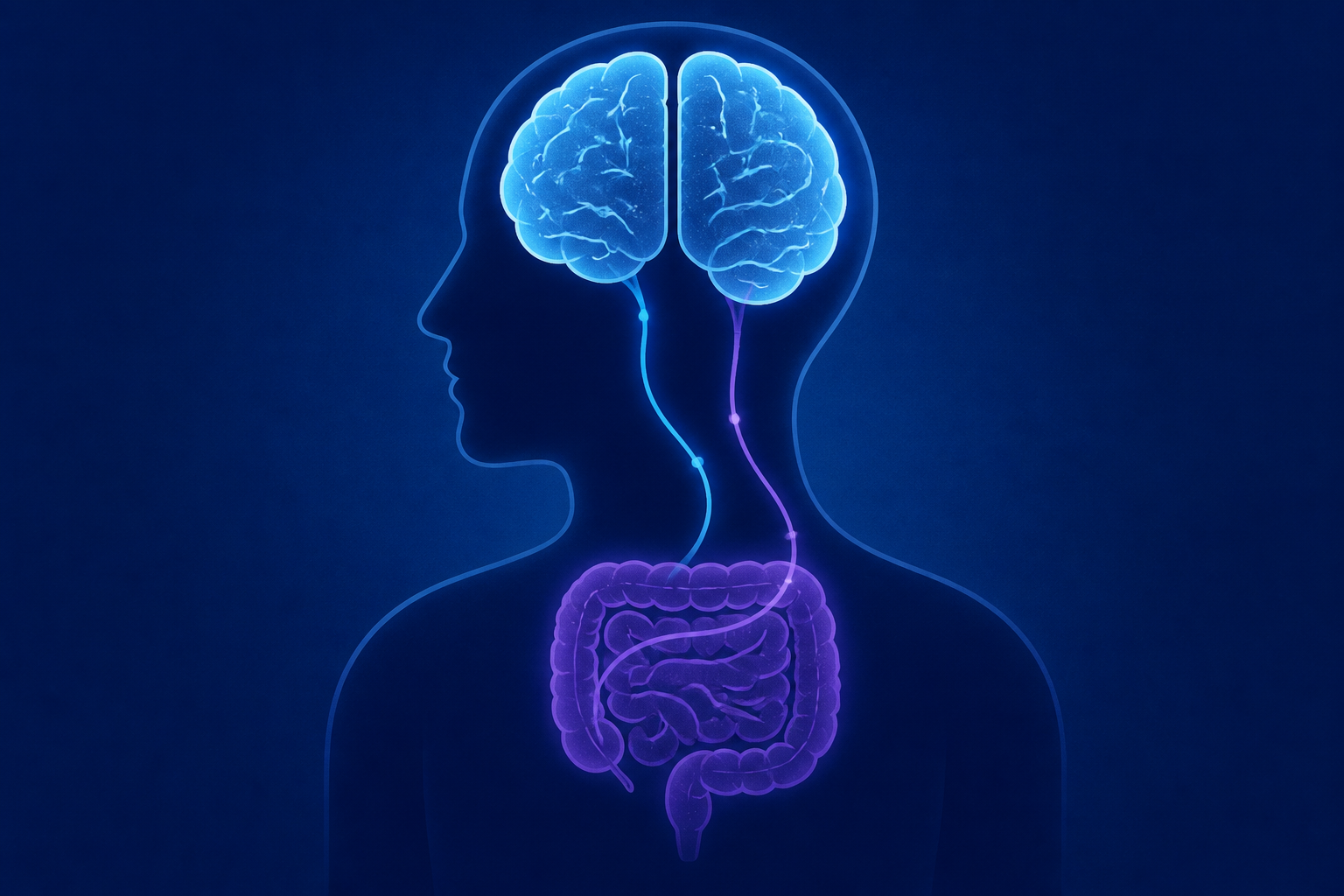
AI Image
Scientists Discover Humans May Actually Have 2 Brains Rather Than 1
aol.com • • health
Key Points:
- Stanford University scientists have discovered that the brain may consist of two separate organs that evolved independently over hundreds of millions of years, challenging the long-held belief that the brain is a single organ.
- One of these systems controls vital functions such as breathing and heartbeat, while the other manages higher-level cognitive functions like language, consciousness, and abstract thought.
- The research, published in Nature Neuroscience, found that the hindbrain develops separately from the forebrain and midbrain, suggesting two distinct origins for brain regions.
- This discovery could improve the ability to grow specific brain neurons in the lab and advance research into brainstem-related diseases like amyotrophic lateral sclerosis (ALS) and spinal muscular atrophy (SMA).
- The findings suggest that evolution combined two pre-existing neural systems into one brain, which may explain challenges in studying certain brain cells and provide new insights into brain development and function.


