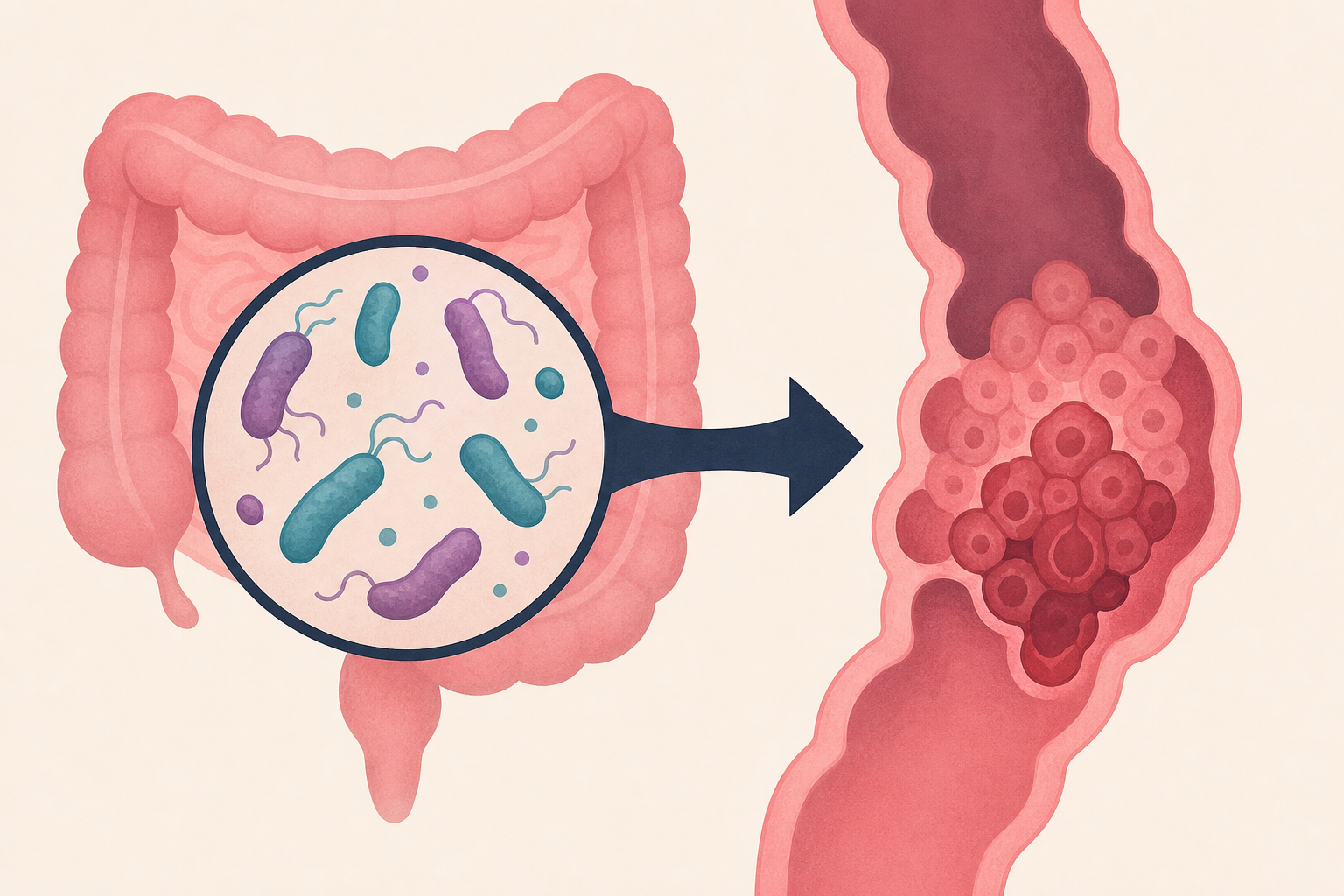
AI Generated Image
Scientists Finally Solve How Common Gut Bacteria Triggers Colon Cancer
Newsweek • • health
Key Points:
- Researchers at Johns Hopkins Medicine have identified how the toxin BFT, produced by certain strains of the gut bacterium Bacteroides fragilis, promotes colorectal cancer by binding to the claudin-4 protein on colon cells.
- This binding allows the toxin to damage the gut lining and trigger inflammation, processes linked to tumor growth, solving a long-standing mystery about the toxin's initial attachment mechanism.
- Using CRISPR screening, the team confirmed claudin-4 as the crucial receptor, and developed a molecular "decoy" that intercepts the toxin, successfully preventing tissue damage in animal studies.
- Experts emphasize that only specific toxin-producing strains (enterotoxigenic Bacteroides fragilis) pose a cancer risk, and maintaining a healthy lifestyle remains important for colon health.
- While promising, further research and clinical trials are needed to determine if blocking BFT can effectively prevent or treat colorectal cancer in humans.


