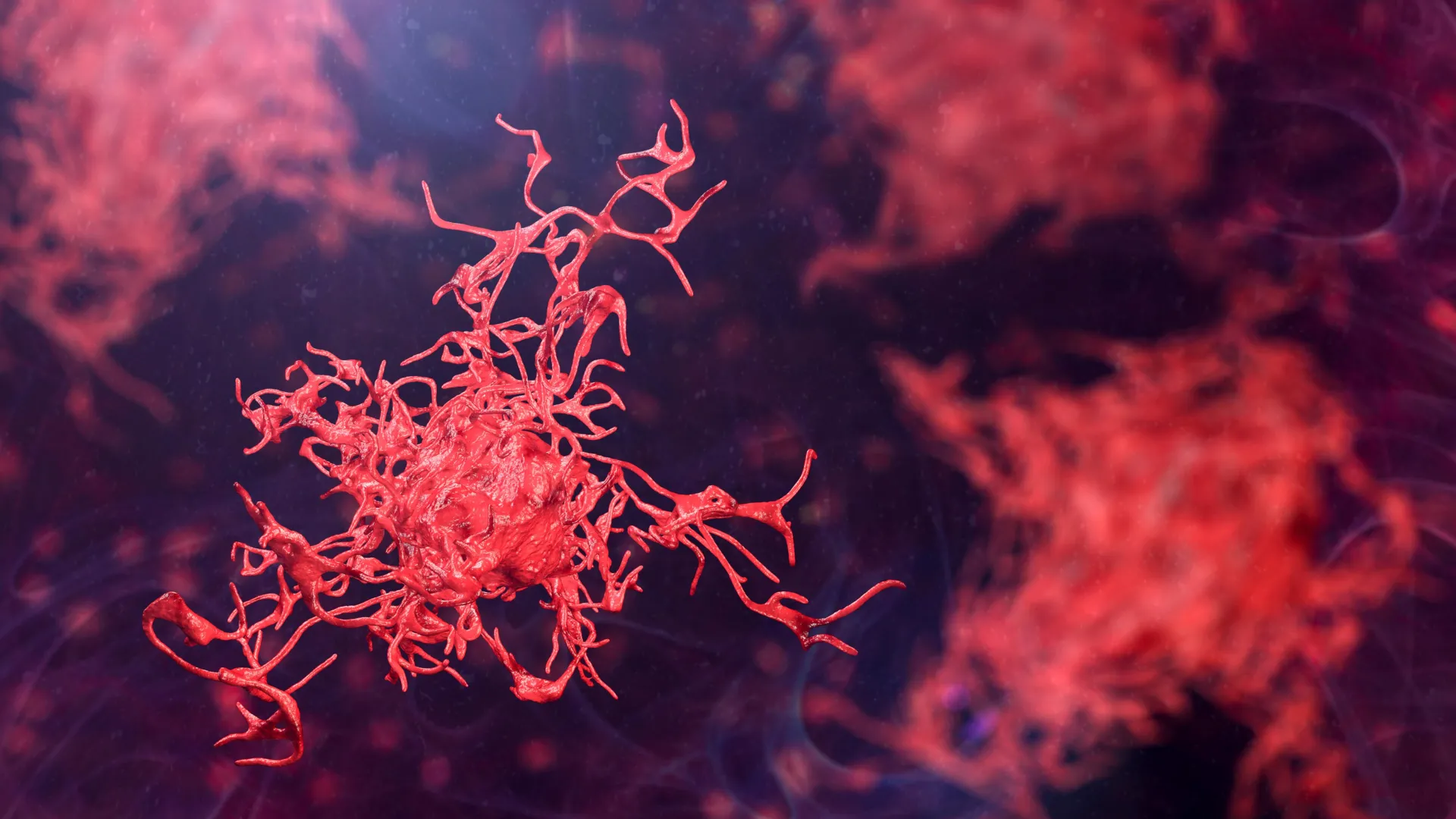
Scientists sound alarm as dangerous amoebas spread globally
ScienceDaily • • general
Key Points:
- Free living amoebae are single-celled organisms found in soil, freshwater, and some man-made water systems; while most are harmless, a few species like Naegleria fowleri can cause severe, often fatal infections in humans.
- These amoebae are notably resilient, surviving harsh conditions such as high temperatures and strong disinfectants like chlorine, making them difficult to eliminate with standard water treatment methods.
- They can harbor other harmful microbes, including bacteria and viruses, protecting them from disinfectants and potentially promoting the spread of antibiotic resistance through a "Trojan horse" effect.
- Climate change and rising water temperatures are expanding the habitats of these amoebae, increasing the risk of outbreaks linked to recreational water use in new regions.
- Researchers advocate for a One Health approach combining human health, environmental science, and water management to improve monitoring, diagnostics, and water treatment technologies to better control these organisms and protect public health.


