AI Generated Image
Ships stuck in strait of Hormuz pose ‘super-spreader’ biodiversity threat, scientists warn
The Guardian • • nation
Key Points:
- The closure of the Strait of Hormuz since February due to the US-Israel war on Iran has stranded over 1,500 commercial vessels in the Gulf, creating a significant risk of spreading invasive marine species globally once shipping resumes.
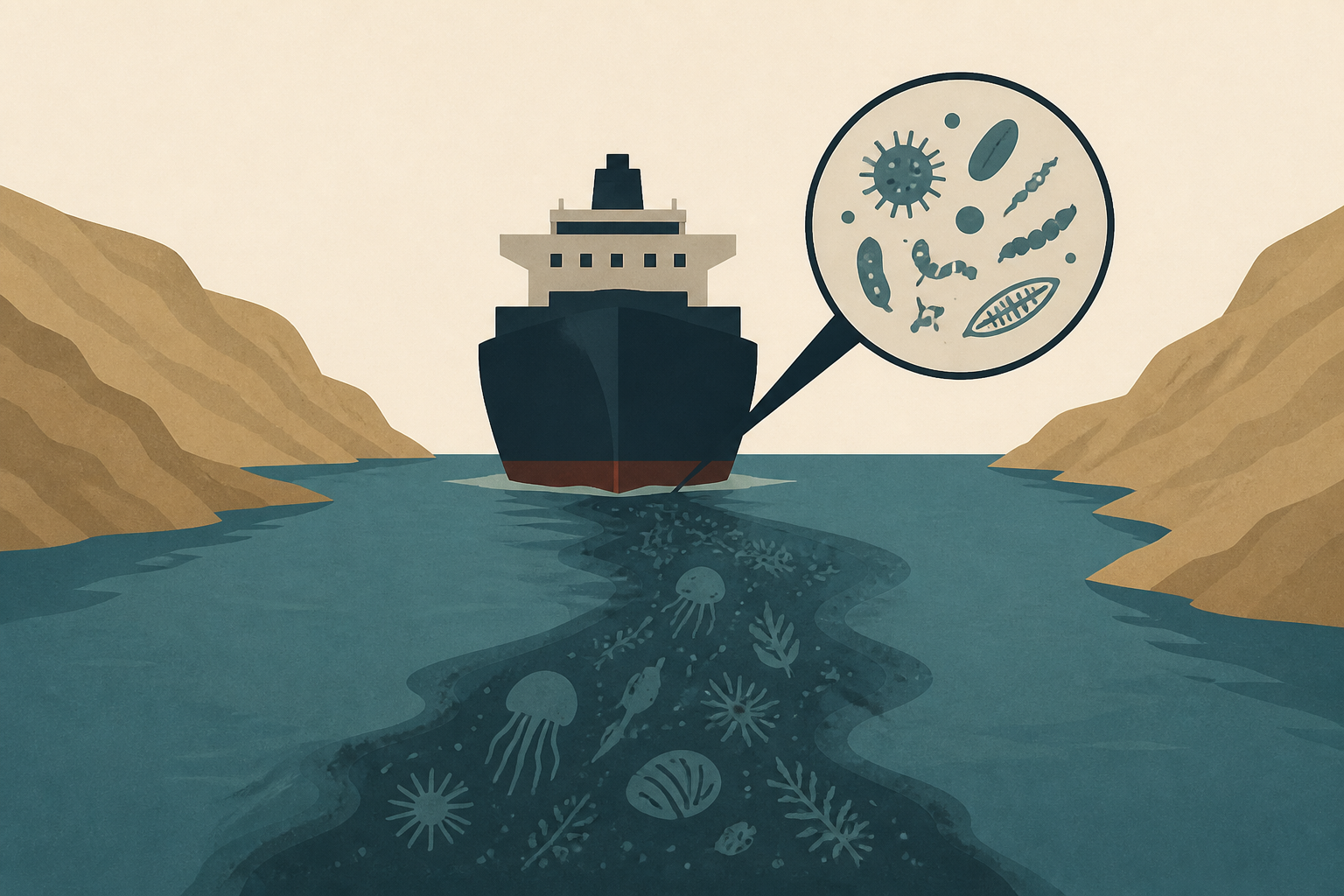
- Prolonged stationary periods have allowed dense marine life, including barnacles and algae, to accumulate on ship hulls, potentially turning this situation into a "bio-invasion super-spreader event" unprecedented in maritime history.
- Invasive species transported by these ships could outcompete native wildlife, spread diseases, disrupt fisheries, and damage marine ecosystems, especially in regions with similar warm and salty conditions like India and Singapore.
- Experts urge governments and shipping companies to inspect and clean vessels before departure and enhance monitoring and rapid-response plans at ports to prevent ecological damage comparable to managing infectious diseases.
- The International Maritime Organization acknowledges the risk and is developing legally binding measures to control biofouling, emphasizing the need to balance environmental protection with human safety amid ongoing conflicts.


