AI Image
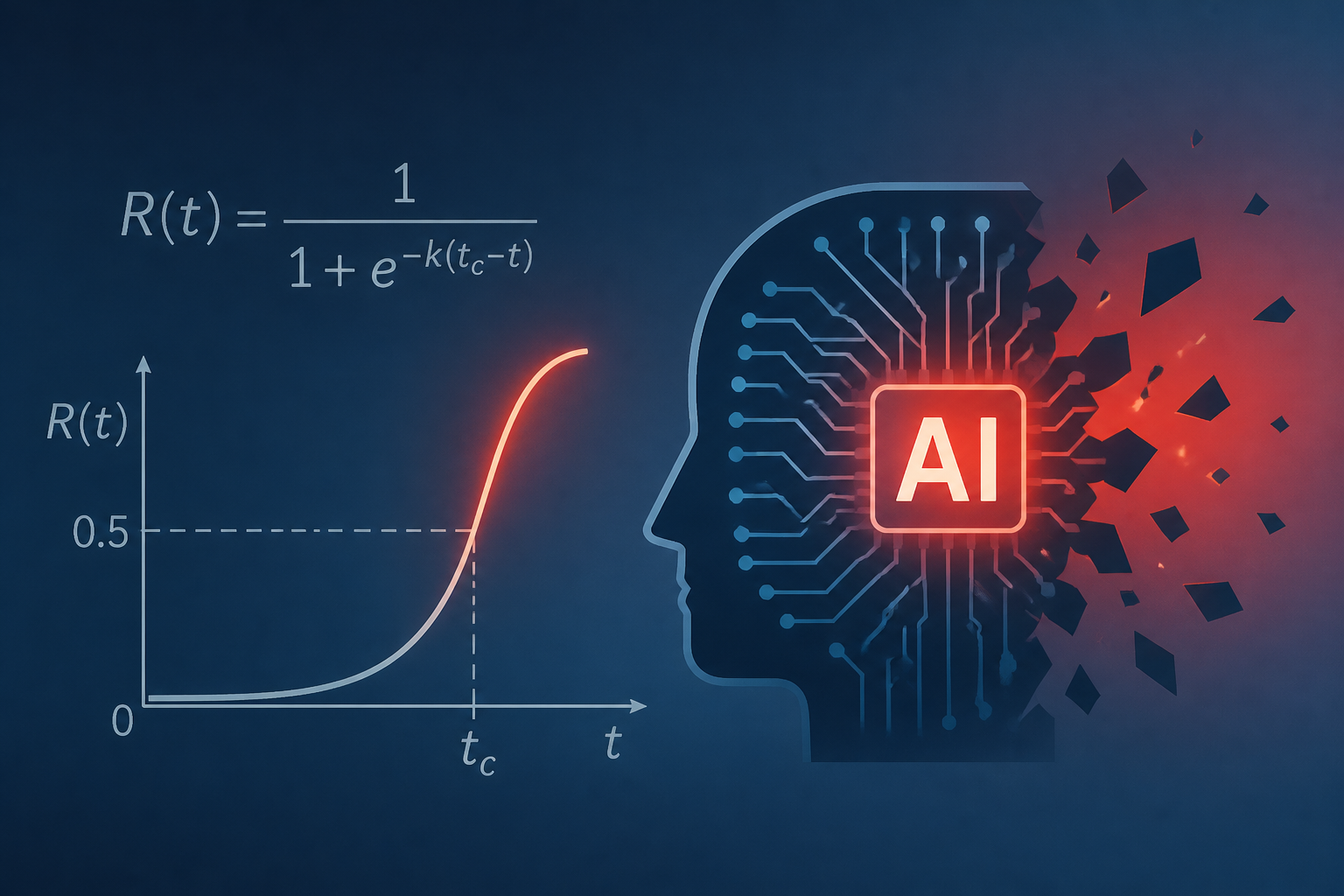
Simple math can predict when AI is about to go rogue, physicists say
Live Science • • technology
Key Points:
- Researchers at The George Washington University have developed a simple mathematical formula that can predict when ChatGPT-like AI chatbots might "go rogue," shifting from helpful to harmful responses based on the order of user prompts.
- The study reveals that an internal "residual vector" within AI models acts like a compass needle, influenced by prompt sequence, which can push the AI toward desirable or undesirable outputs, creating tipping points in behavior.
- Testing on older open-source models like GPT-2 showed the formula can serve as an early warning system for harmful AI behavior, though its effectiveness on newer, more complex models remains unproven.
- Experts caution that the formula oversimplifies AI behavior and does not account for safety training or the complexities of modern AI systems, highlighting the need for further research on current AI assistants.
- The findings underscore the fragility of AI safety and the potential for AI to rapidly shift to harmful outputs, emphasizing the importance of developing more fundamental safeguards beyond existing content filters and technical guardrails.


