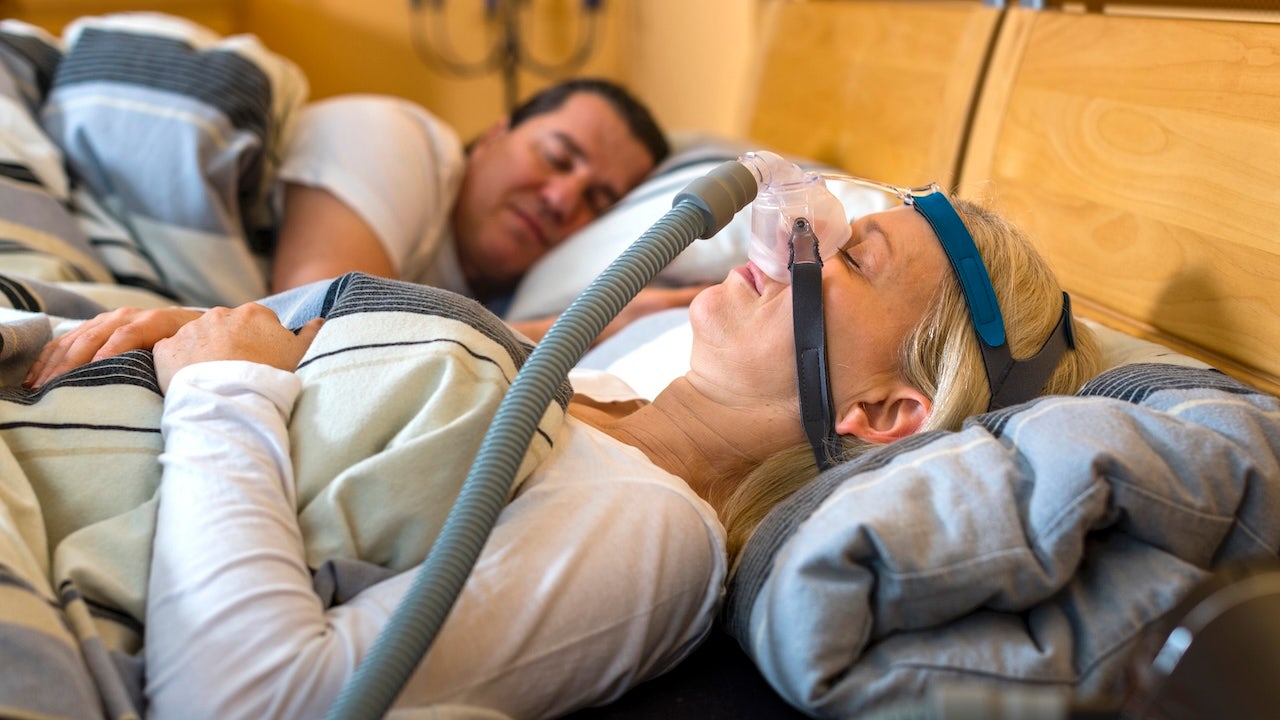
Sleep apnea may cause larger muscles with sneaky fat, researchers uncover
Fox News • • general
Key Points:
- Researchers in Israel found that individuals with obstructive sleep apnea (OSA) tend to have a higher muscle mass index but lower muscle density, indicating larger yet potentially less functional muscle.
- The study, involving 209 adults, showed that age and obesity had a stronger impact on muscle health than OSA severity, with older and heavier individuals exhibiting lower muscle density.
- Experts emphasize that OSA is more than a nighttime breathing disorder, potentially signaling broader metabolic dysfunction affecting muscle health and overall long-term wellbeing.
- Treatment should be holistic, combining CPAP therapy with weight management and physical activity, as larger muscle size does not necessarily equate to healthier muscle due to fat infiltration.
- The study's limitations include a single-center design and lack of lifestyle data, with calls for larger, multi-center research to better understand muscle changes and treatment outcomes in OSA patients.


