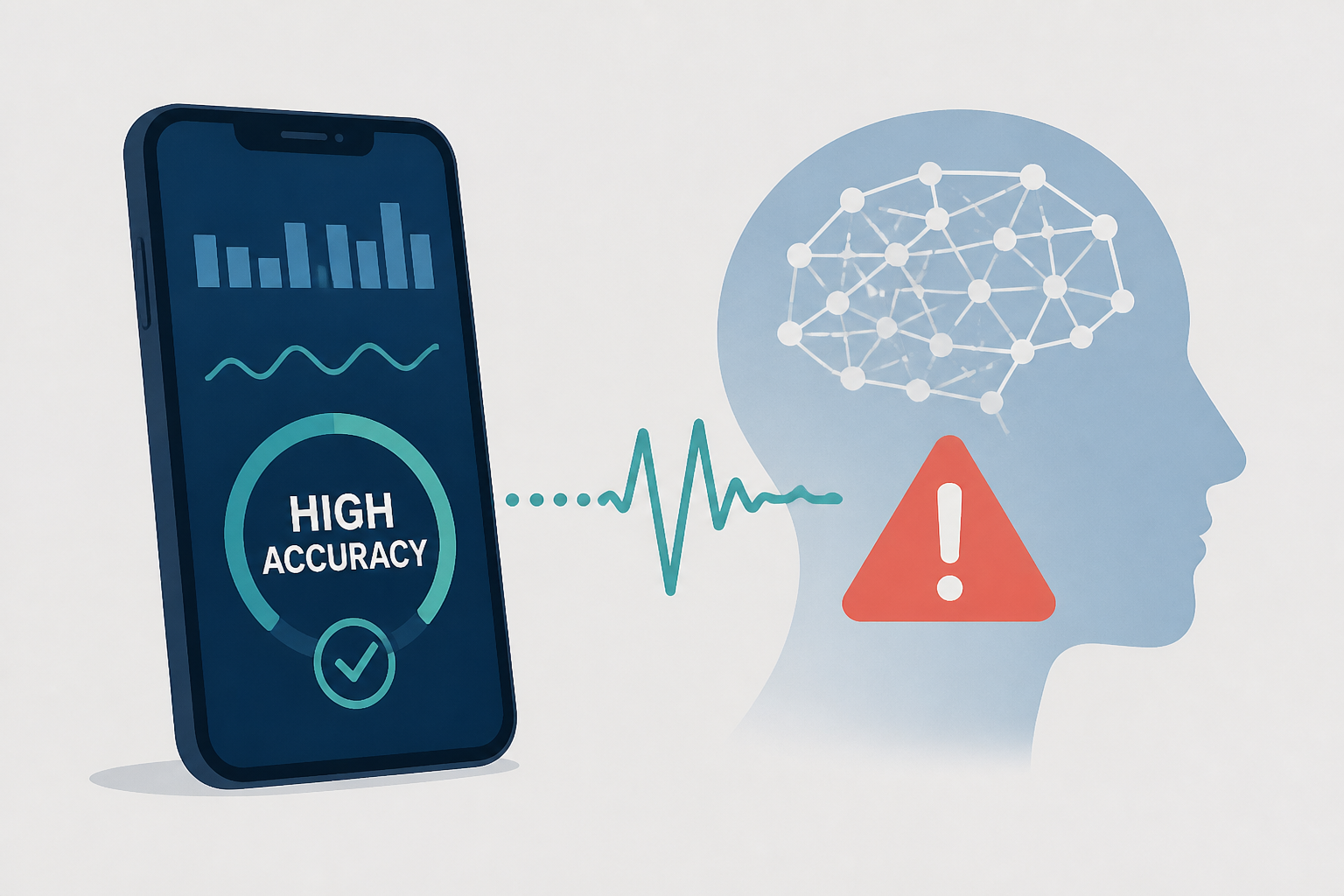
AI Generated Image
Smartphones help predict suicide risk with high accuracy, Harvard study finds
The Boston Globe • • health
Key Points:
- Harvard researchers developed a smartphone-based method using frequent check-ins and machine learning to predict suicide attempts and related crises with high accuracy, identifying 75% of attempts and 87% of events in the week prior.
- The study involved 619 patients with suicidal thoughts or behaviors who answered surveys six times daily for three months, reporting feelings such as hopelessness, agitation, and suicidal urges, with agitation emerging as a strong near-term risk indicator.
- Increased agitation was linked to higher suicide attempt risk, while a person's ability to resist urges lowered risk; however, patient participation declined over time, and nonresponse was associated with increased risk.
- Experts highlight the challenge of translating predictive data into actionable clinical interventions, emphasizing the need for immediate support systems when alerts indicate heightened suicide risk.
- The research team aims to enhance prediction models with additional digital data and develop timely interventions to assist individuals during acute suicidal crises, stressing that asking about suicide does not increase risk and encouraging use of the 988 hotline.


