AI Image
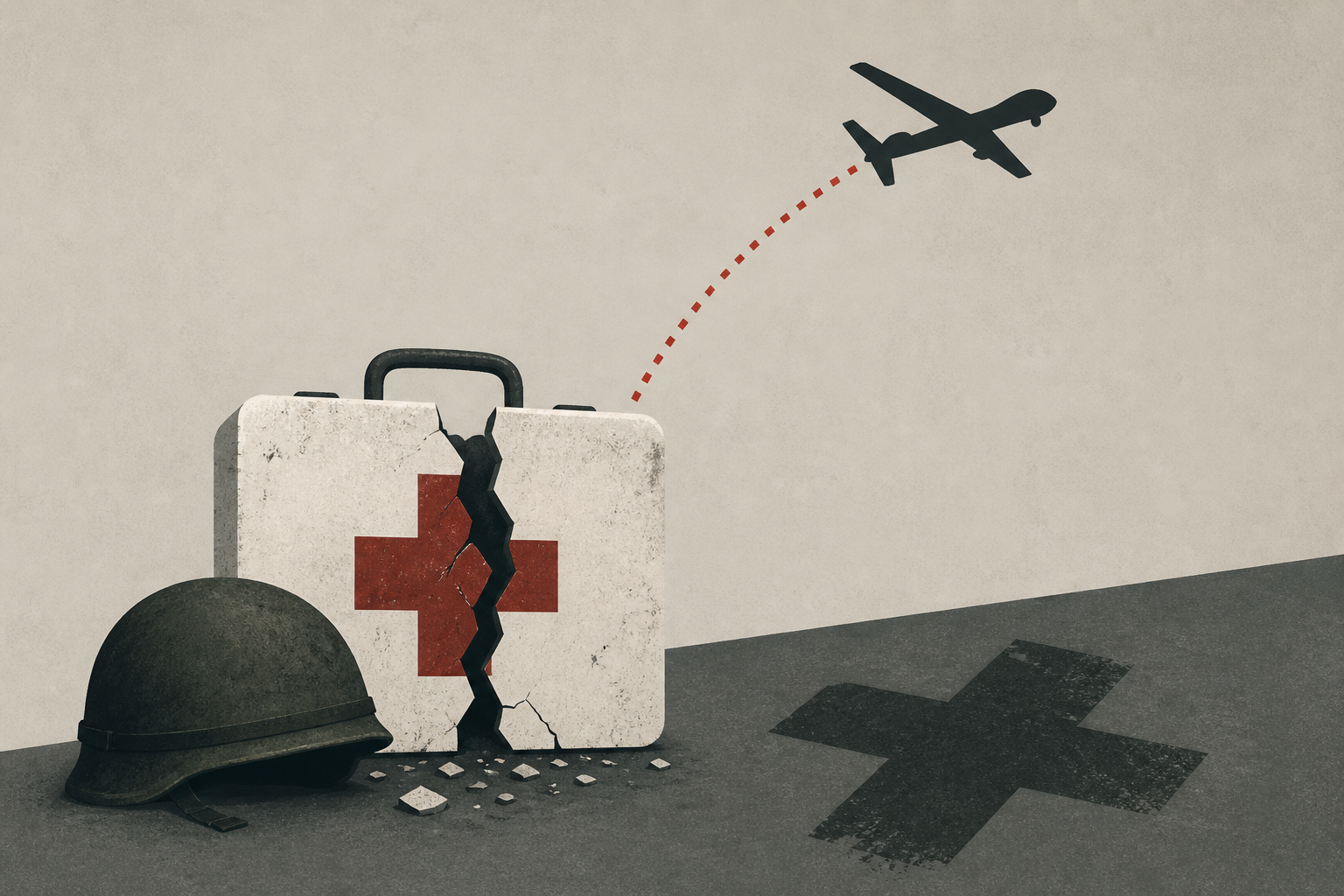
Soldiers badly wounded in Iranian drone strike say military’s medical system failed them
Anchorage Daily News • • world
Key Points:
- On March 1, an Iranian drone strike at Port Shuaiba in Kuwait injured dozens of U.S. soldiers and killed six, raising concerns about the military's preparedness and medical response for treating the wounded.
- Soldiers and families reported inadequate recognition of injury severity, delays in medical evaluations, poor evacuation plans, and bureaucratic obstacles to follow-up care, while the Pentagon maintained that medical treatment was appropriate.
- Injured troops were often sent to barracks instead of specialized military hospitals like Landstuhl Regional Medical Center, partly due to coding errors and the absence of major U.S. medical facilities in the region after years of military drawdowns.
- Many soldiers experienced delayed diagnoses of traumatic brain injuries and difficulties accessing specialized care, leading to frustration and a sense of having to advocate for themselves within the military medical system.
- Despite ongoing health challenges, some wounded soldiers, including Lt. Col. Arturo Lincón, have returned to duty, though they continue to face issues such as incomplete medical records and administrative hurdles related to benefits and documentation.


