AI Image
South Korea tests Arctic shipping route amid Russia-West row
DW.com • • world
Key Points:
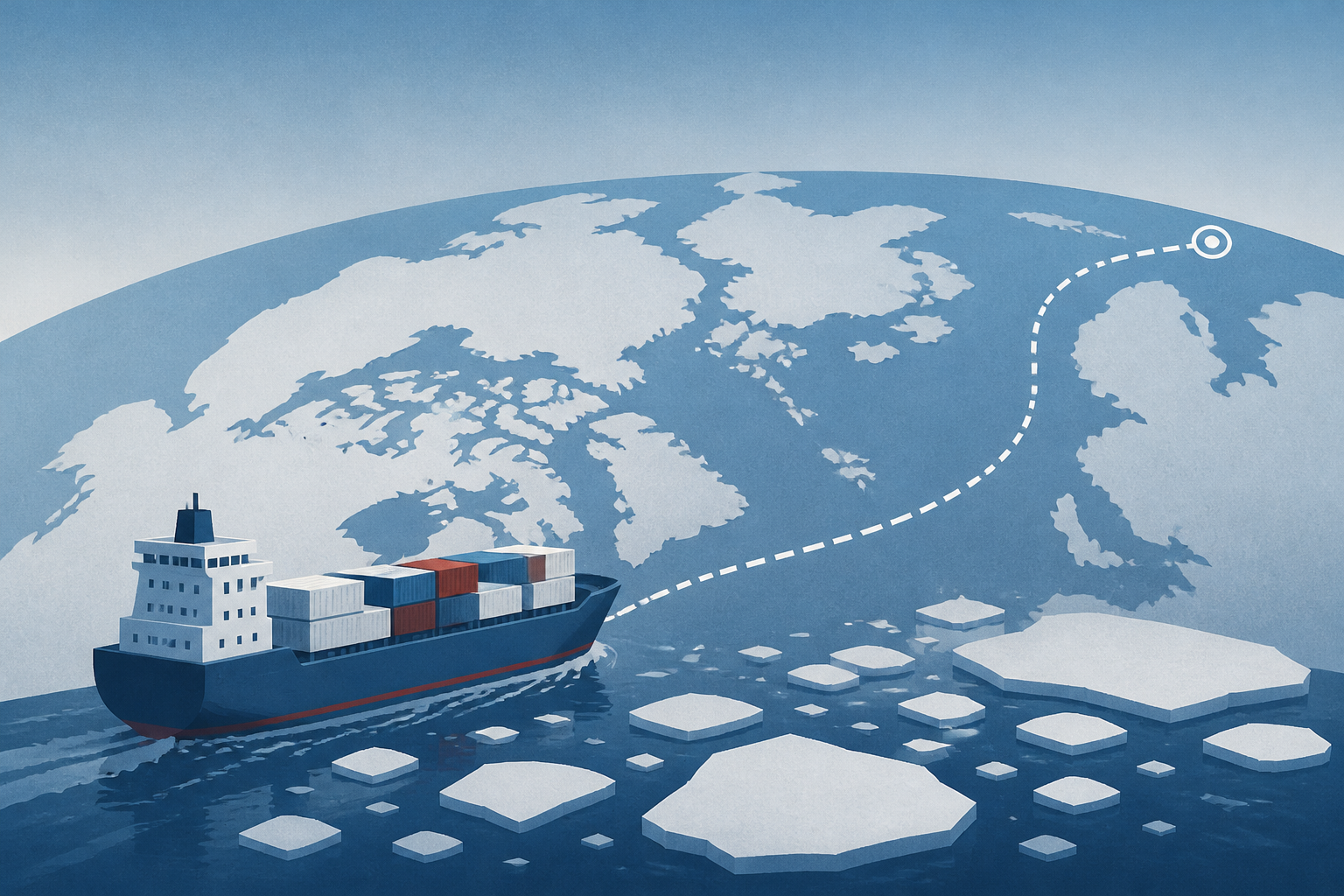
- A South Korean container ship completed a 50-day round trip from Busan to Rotterdam via the Northern Sea Route (NSR) through the Arctic Ocean, saving at least 10 days compared to the Suez Canal route and highlighting the NSR's economic potential amid climate change.
- The NSR, made more navigable by melting Arctic ice, offers South Korea a shorter trade route to Europe and opportunities to strengthen Busan as a maritime hub and boost its shipbuilding sector, with plans for regular commercial services by 2030.
- However, the route's reliance on Russia's Arctic coast raises concerns about strategic dependency, as Moscow controls navigation and icebreaker assistance, potentially complicating Western efforts to isolate Russia over its invasion of Ukraine.
- South Korea's engagement with Russia, including the NSR voyage and fuel deliveries, has sparked unease among Western allies, especially amid Seoul's diplomatic spat with Ukraine and hopes to influence Russia against supplying North Korea with weapons.
- Analysts suggest South Korea is cautiously balancing economic interests with geopolitical sensitivities, aiming to maintain relations with both Russia and the West while preparing for a post-war future when sanctions on Russia might ease.


