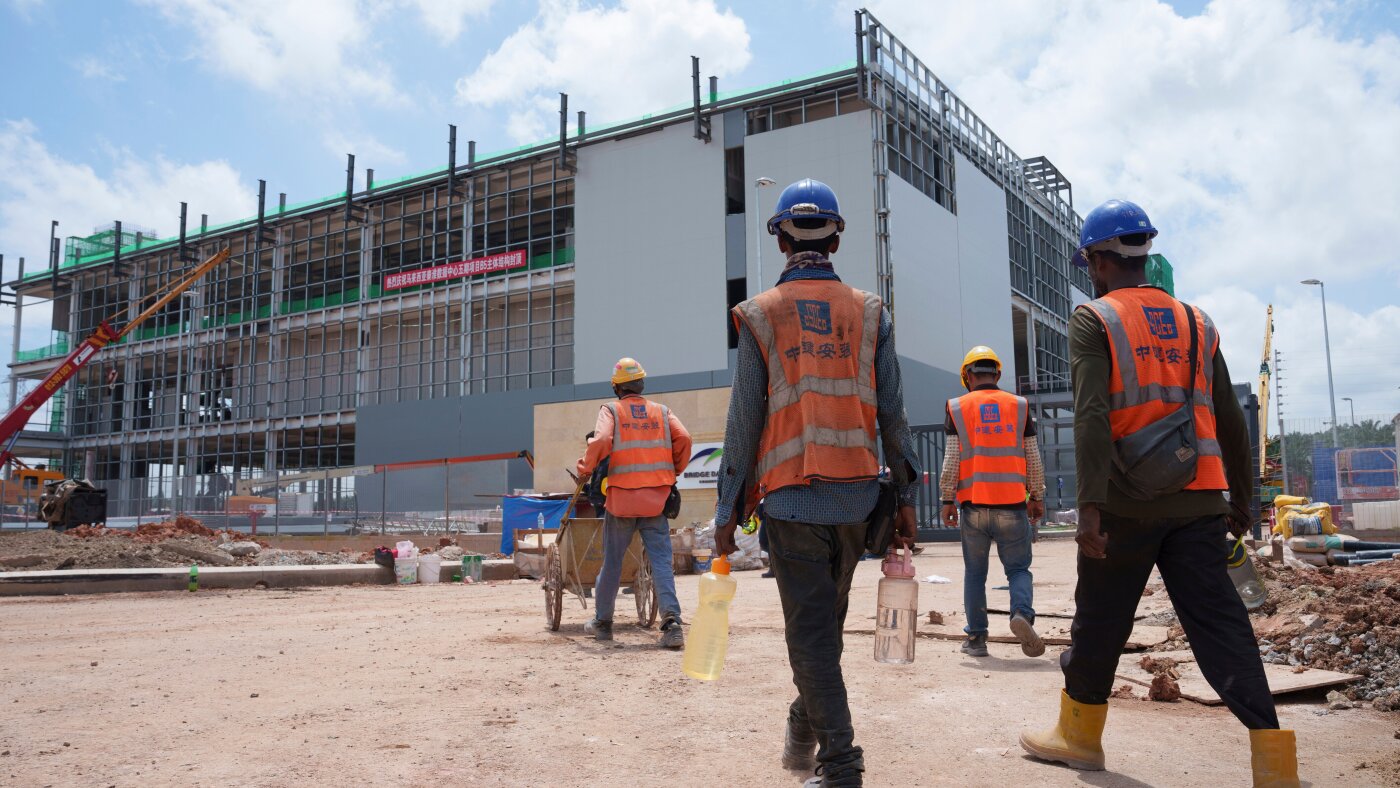
Southeast Asia turns to nuclear as Iran war disrupts energy supplies
NPR • • general
Key Points:
- Southeast Asian countries are revisiting nuclear power plans to meet rising energy demand driven by AI-focused data centers and to reduce emissions, with nearly half the region potentially adopting nuclear energy by the 2030s.
- Vietnam, Indonesia, Thailand, Malaysia, and the Philippines are actively pursuing nuclear projects, with Vietnam advancing deals with Russia and Malaysia aiming to become an AI computing hub supported by nuclear energy.
- The surge in oil prices due to the Iran war has accelerated interest in nuclear power as a more stable and self-reliant energy source, with international cooperation from countries like Russia, Canada, and the U.S.
- Malaysia, facing growing energy needs from data centers, has revived its nuclear program targeting 2031, while other Southeast Asian nations like Cambodia, Singapore, and Brunei have expressed openness to exploring nuclear options.
- Despite the global push to triple nuclear capacity by 2050, concerns about nuclear safety, waste management, and public resistance persist, with some experts urging caution and emphasizing renewable energy as a safer alternative.


