AI Image
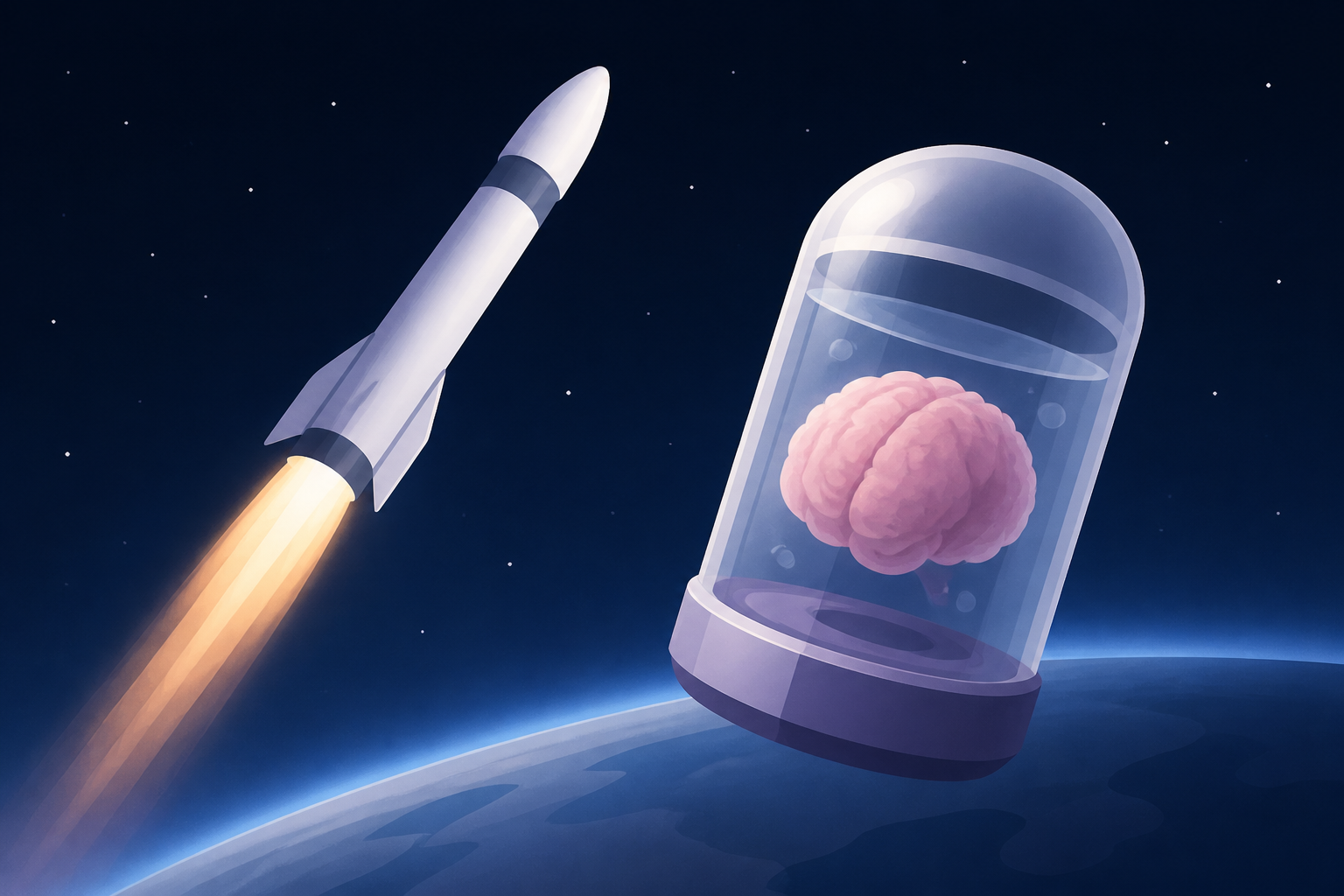
SpaceX sends mini human brains to space as part of Nasa experiment
The Independent • • science
Key Points:
- Lab-grown human brain models called miBrains were sent to the International Space Station (ISS) aboard NASA’s SpaceX CRS-35 mission to study the effects of spaceflight on neural tissue over several weeks.
- Researchers will compare these space-exposed brain models with identical ones kept on Earth to identify cellular and genetic changes caused by microgravity and radiation.
- The findings aim to improve understanding of brain health risks for astronauts on long-duration missions to the Moon, Mars, and beyond, potentially informing countermeasures against neurological diseases and aging.
- The mission also includes an experiment to study whether crop diseases develop more rapidly or severely in microgravity, supporting the development of disease-resistant plants for space agriculture.
- All experiments are scheduled to return to Earth in mid-November, with a splashdown off the coast of California.


