AI Generated Image
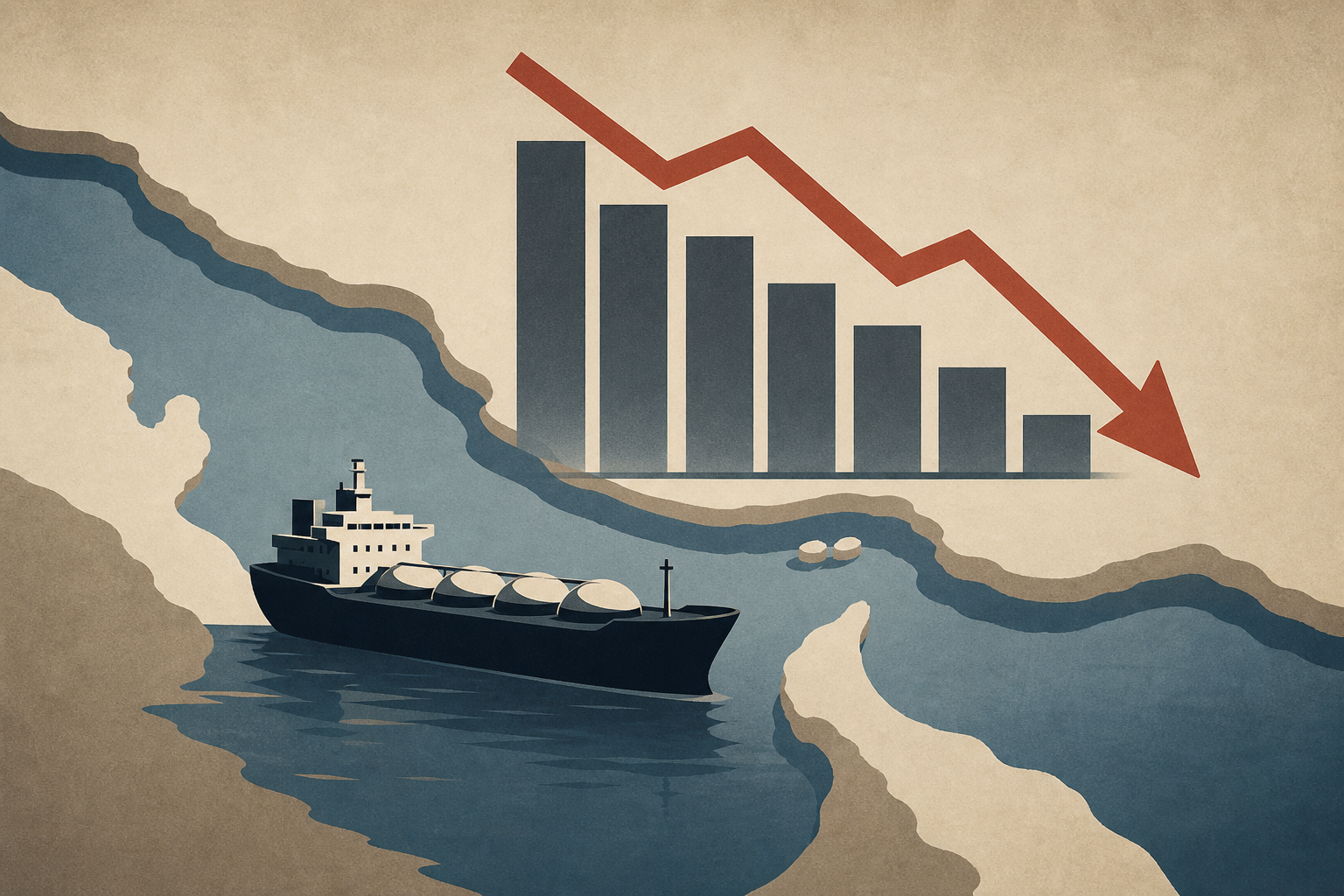
Strait of Hormuz oil shipments fall toward pre-peace deal levels as war reignites
Yahoo! Finance Canada • • business
Key Points:
- Oil shipments through the Strait of Hormuz initially recovered to about 50% of pre-war levels during a brief US-Iran ceasefire, with wider Persian Gulf flows reaching near 80%, aiding a post-war economic recovery.
- The recent collapse of the US-Iran memorandum of understanding and renewed fighting have sharply reversed this progress, causing oil flows through the strait to drop from around 10 million barrels per day in early July to 3-5 million barrels per day by mid-July.
- This decline has created a shortfall of approximately 13.4 million barrels per day of Gulf oil, pushing Brent crude prices above $84 per barrel and WTI crude above $79, both rising more than 8% in five days.
- The resurgence of conflict includes US strikes targeting Iranian military assets to prevent attacks on commercial shipping, and Iran's retaliatory attacks on US installations, contributing to the instability and reduced oil transit.
- A second US naval blockade of the Strait of Hormuz, initiated recently, has already redirected two commercial vessels, further disrupting oil flows through this critical waterway.


