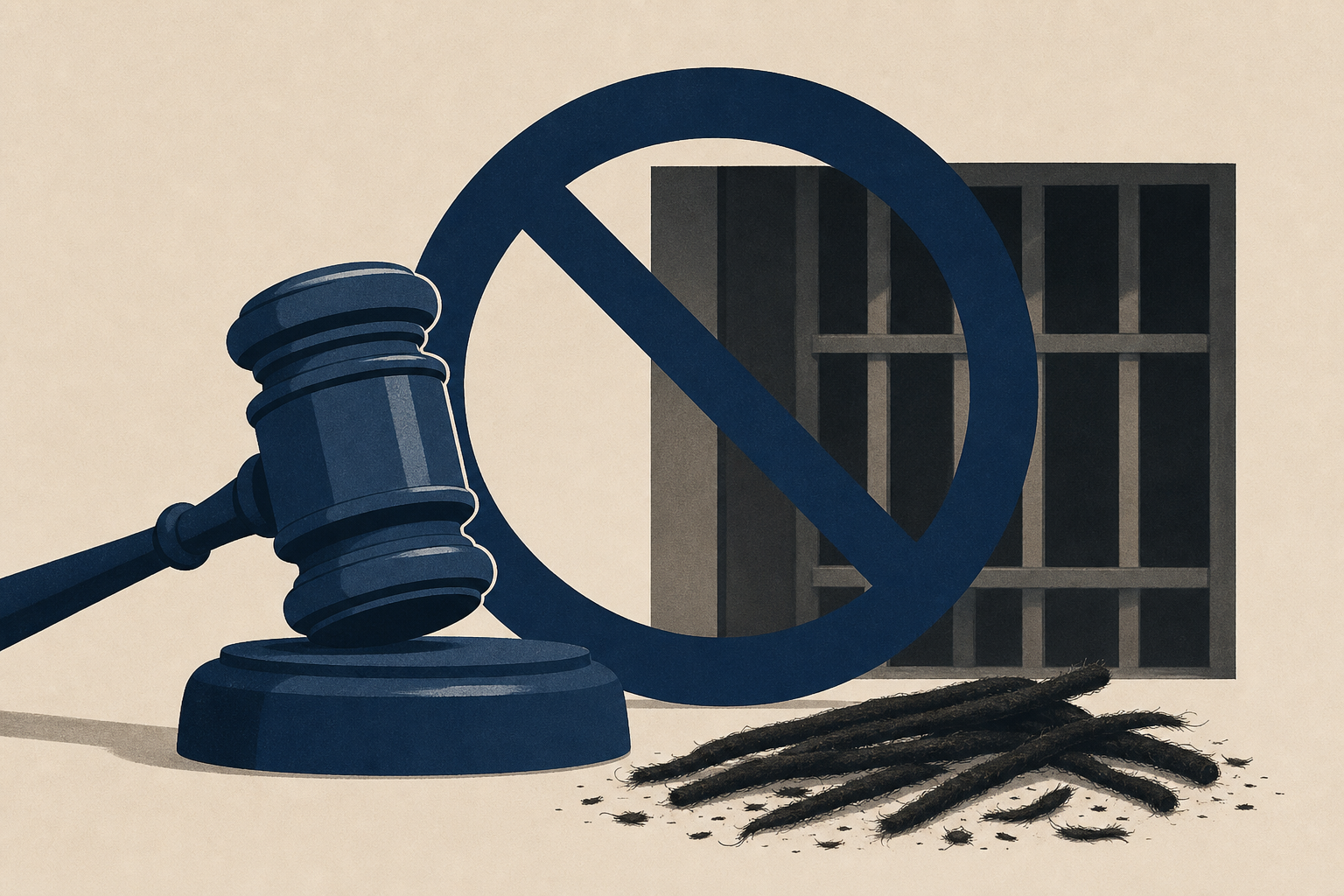
AI Generated Image
Supreme Court Bars Lawsuit After Prison Guards Shaved Inmate’s Dreadlocks
The New York Times • • nation
Key Points:
- The Supreme Court ruled 6-3 that Damon Landor, a Rastafarian prisoner whose dreadlocks were forcibly shaved by prison guards, cannot sue state officials for monetary damages for violating his religious beliefs.
- The majority opinion, authored by Justice Neil M. Gorsuch, held that federal law does not permit lawsuits against individual state officers in their private capacity under the relevant statute.
- This decision contrasts with recent Supreme Court rulings that have expanded religious rights, including cases involving prayer rights for inmates and public school coaches.
- Landor had brought the lawsuit after his dreadlocks, significant to his faith, were cut during his incarceration in Louisiana, despite carrying legal precedent supporting inmates' rights to maintain religious hairstyles.
- The Fifth Circuit Court condemned the treatment but ruled it was bound by precedent that prevents such lawsuits against state officials, prompting the Supreme Court to clarify the law.


