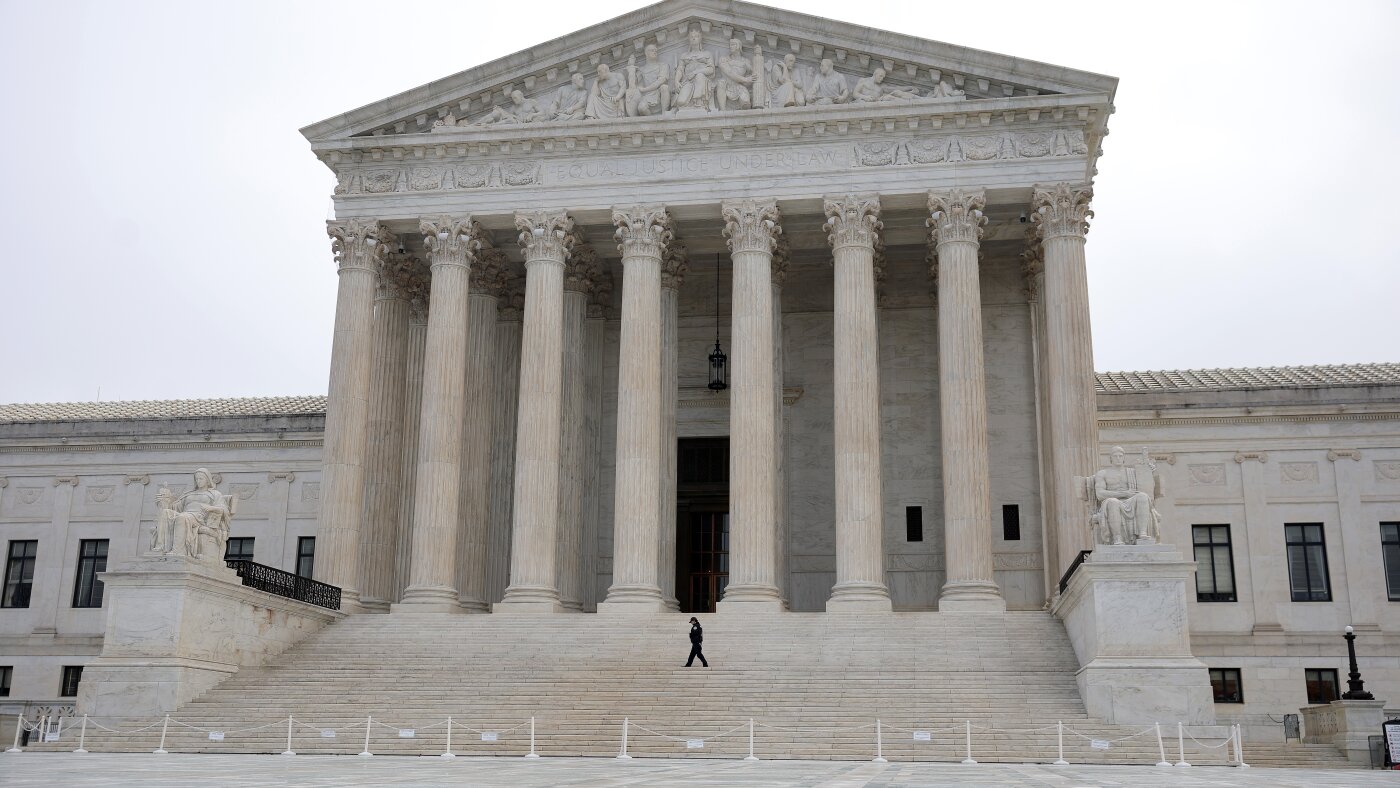
Supreme Court opens door to controversial conversion therapy
NPR • • general
Key Points:
- The U.S. Supreme Court struck down Colorado's law banning conversion therapy for minors, ruling 8-1 that it violated a therapist's First Amendment free speech rights, potentially affecting similar laws in about two dozen states.
- Conversion therapy, widely discredited by major medical organizations for causing harm and lacking efficacy, seeks to change a person's sexual orientation or gender identity, but the court sided with therapist Kaley Chiles who argued her counseling is voluntary and non-coercive.
- Justice Neil Gorsuch wrote the majority opinion emphasizing that the First Amendment protects against government efforts to regulate speech, even in the context of counseling aimed at changing sexual orientation or gender identity.
- Colorado Attorney General and LGBTQ advocates criticized the decision, warning it undermines state authority to protect minors from harmful and discredited treatments, while dissenting Justice Ketanji Brown Jackson argued the ruling misinterprets states' rights to regulate medical care.
- Some justices, including Elena Kagan and Sonia Sotomayor, suggested states might still be able to craft laws regulating conversion therapy in a way that is constitutionally permissible, leaving room for future legislative efforts.


![Pixel 11 Pro is thinner, but mostly the same in first leak [Gallery]](https://media-cdn.cashwalklabs.io/https%3A%2F%2Fi0.wp.com%2F9to5google.com%2Fwp-content%2Fuploads%2Fsites%2F4%2F2026%2F03%2Fgoogle-pixel-11-pro-onl-2.webp%3Fresize%3D1200%252C628%26quality%3D82%26strip%3Dall%26ssl%3D1?format=webp&w=120&h=80)


