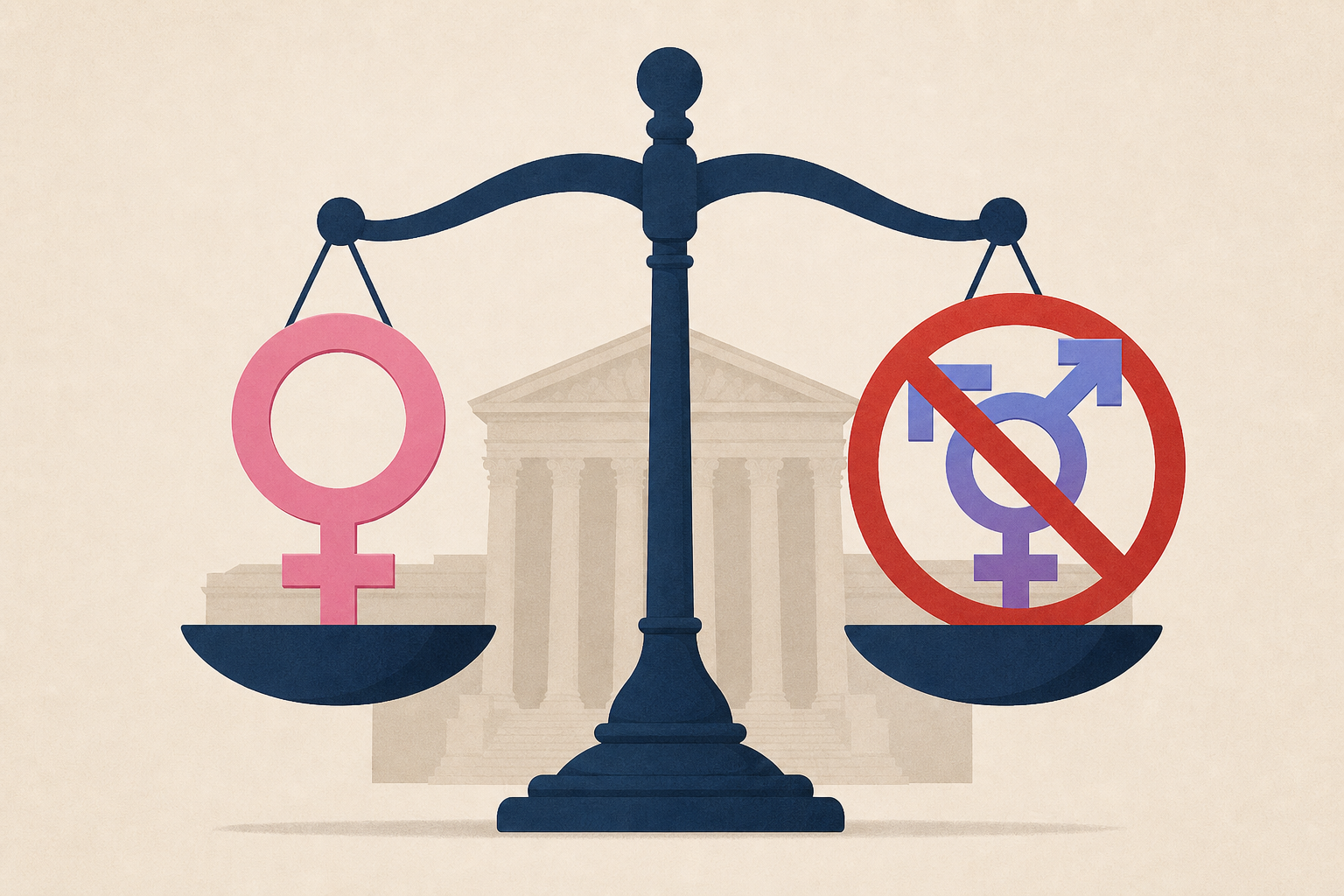
AI Generated Image
Supreme Court upholds state bans on transgender athletes in girls' and women's sports
CBS News • • nation
Key Points:
- The Supreme Court ruled that states can prohibit transgender athletes from competing on girls' and women's sports teams, upholding laws from West Virginia and Idaho in cases West Virginia v. B.P.J. and Little v. Hecox.
- Justice Brett Kavanaugh, writing for the majority, stated that Title IX and the Constitution's Equal Protection Clause allow schools to determine sports team eligibility based on biological sex, affirming states' rights to maintain female-only sports teams.
- The court's liberal justices dissented, arguing the ruling ignored important factual questions and the serious consequences for transgender athletes, highlighting the case of B.P.J., a transgender girl barred from girls' teams despite no competitive disadvantage.
- The decision supports similar laws in 27 states and aligns with policies from the NCAA and International Olympic Committee that limit women's sports competition to athletes assigned female at birth.
- This ruling contrasts with the Court's 2020 decision protecting transgender workers under Title VII, with the majority emphasizing that employment law and Title IX sports protections address different contexts and legal standards.


![The Elder Scrolls 4: Oblivion reveals Nintendo Switch 2 physical release with full game on cartridge [update: release date]](https://media-cdn.cashwalklabs.io/https%3A%2F%2Fs3.us-west-2.amazonaws.com%2Fimages.cashwalklabs.io%2F0_admin%2Fnews-ai-images%2F019f1947-bada-76d8-a352-60df28fde80e.webp?format=webp&w=120&h=80)


