AI Generated Image
The 0.1 second that predicts life expectancy, and when mortality risk jumps
Ynetnews • • health
Key Points:
- A study from Ben-Gurion University found that the speed of a voluntary step, especially under cognitive distraction, can predict functional health, independence, and long-term survival in older adults, with slower reaction times linked to higher mortality risk.
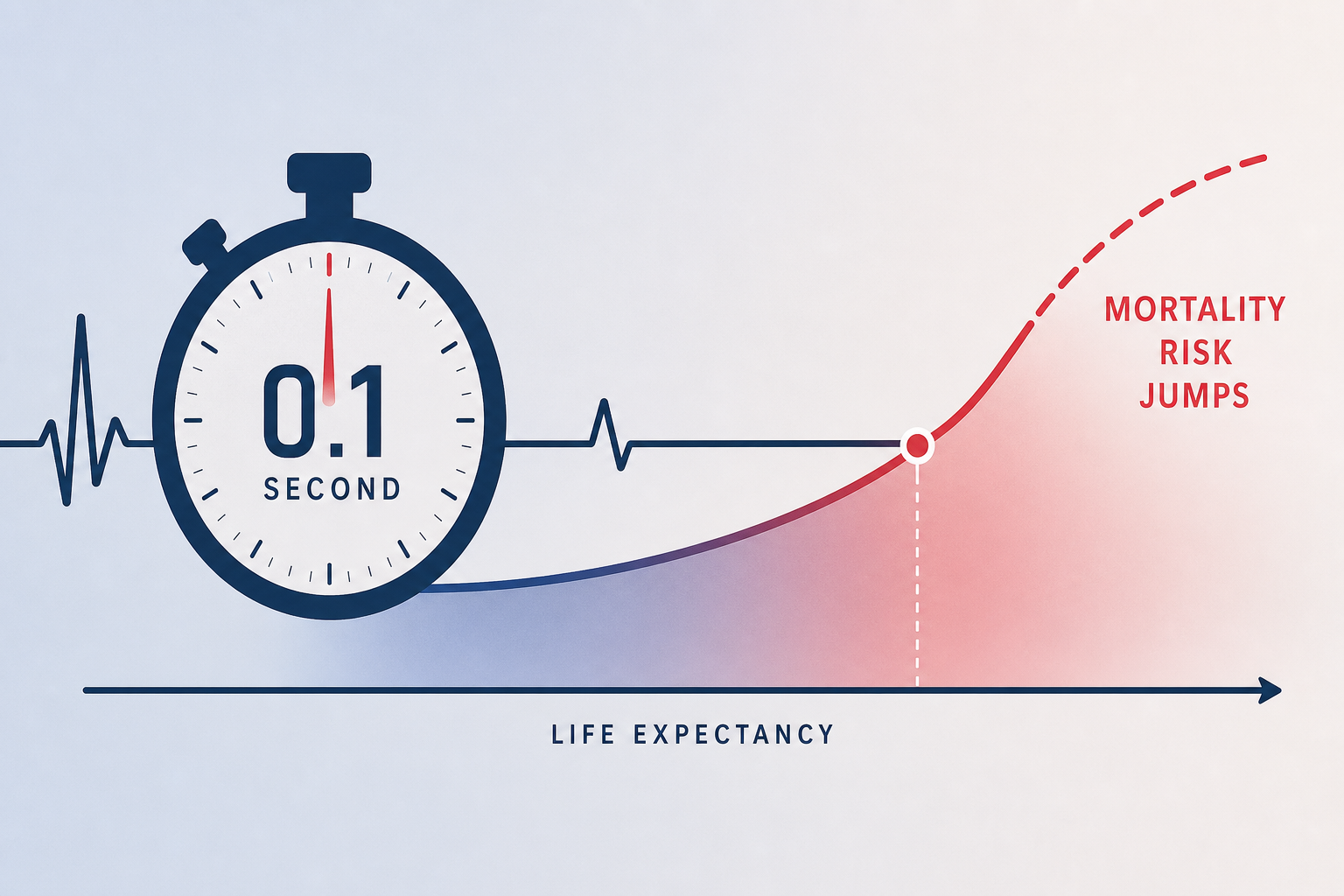
- Researchers measured participants' balance and step speed between 2005 and 2011, then analyzed survival data 15 years later, discovering that each 0.1-second delay in step reaction under dual-task conditions increased mortality risk by about 28%.
- The study highlights the importance of cognitive-motor integration in daily activities and suggests that simple functional tests like the voluntary step test could help identify older adults at high risk of falls and functional decline.
- While the findings show a strong association between step speed and survival, the researchers caution that it is not yet proven that improving step speed directly extends lifespan, though it may guide early interventions.
- Future research aims to expand the study to larger populations and explore whether training programs that improve balance and step speed can positively impact longevity and health outcomes in older adults.


