AI Generated Image
The 1452/1453 mystery eruption
Boing Boing • • science
Key Points:
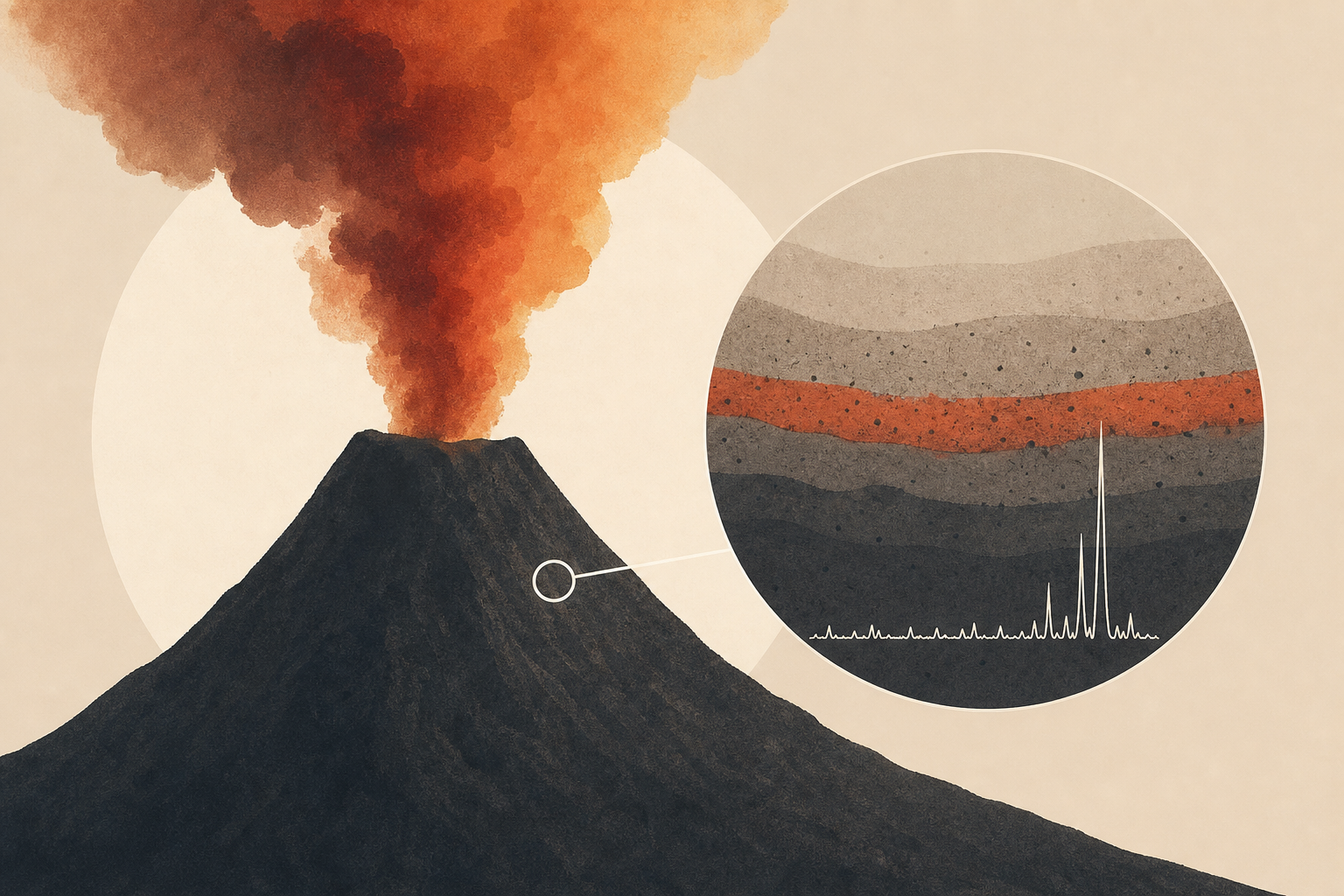
- A powerful volcanic eruption in 1452/1453 released about 11 megatons of sulfur into the stratosphere, roughly one-third the amount from Mount Tambora's 1815 eruption, but the specific volcano remains unidentified.
- Ice core samples from Greenland and Antarctica reveal the chemical signature of this eruption, though no volcanic ash has been found to determine its exact source.
- Historical records, including Chinese chronicles, describe severe climatic effects such as heavy snowfall and widespread frost damage, with tens of thousands of deaths attributed to the cold.
- Tree ring data from Europe and North America also indicate frost damage and stunted growth linked to the eruption's climatic impact.
- The eruption coincided with the 1453 fall of Constantinople, where unusual red glows over the Hagia Sophia were likely caused by sunlight reflecting off volcanic ash clouds, similar to phenomena observed after the 1883 Krakatoa eruption.


