AI Generated Image
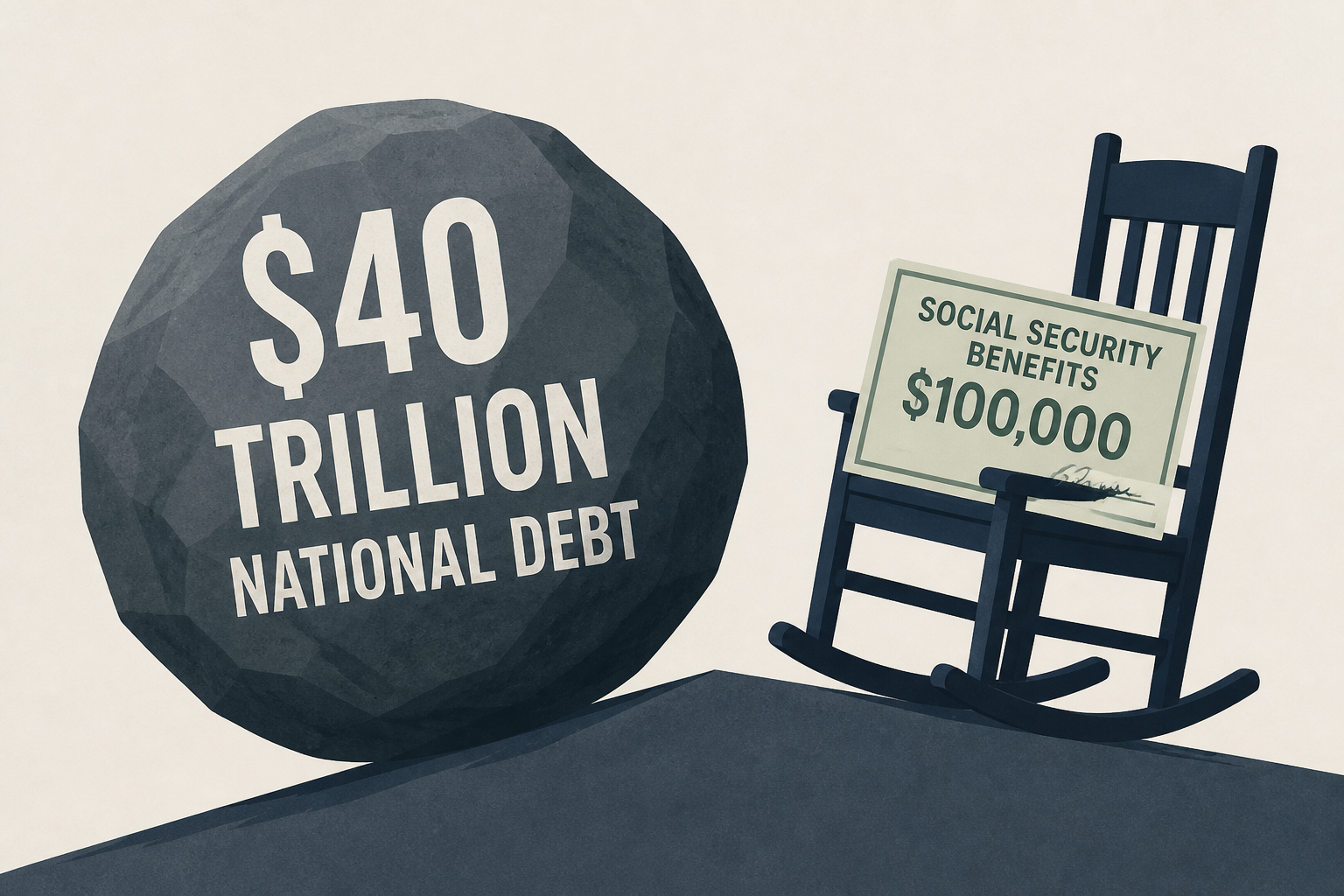
The $40 trillion national debt is growing and Boomers are getting $100k in Social Security benefits
Fortune • • nation
Key Points:
- The Congressional Budget Office projects that between 2023 and 2033, 81% of the increase in mandatory federal spending will be due to Social Security and Medicare, with interest on the debt adding further financial strain, reaching $1 trillion in 2026 and $2.1 trillion by 2036.
- Younger generations are increasingly skeptical about the future of Social Security, with a 2025 Cato Institute survey finding only 34% of Gen Z expect the program to exist at their retirement, and 79% anticipate cuts to their benefits.
- Social Security operates as a pay-as-you-go system, but demographic shifts and the disproportionate benefits received by retirees compared to their contributions are creating financial imbalances, with the trust fund projected to be depleted by 2032-2034, leading to potential automatic benefit reductions.
- Proposed reforms include a "Six Figure Limit" cap on Social Security benefits for wealthy retirees, targeting the top 0.05% of couples, to help sustain the program, while the Committee for a Responsible Federal Budget warns of a possible 22% across-the-board cut if no action is taken.
- Although baby boomers hold significant wealth, much of it will not transfer to younger generations, and Social Security's current structure favors higher earners; experts suggest reforming the system to focus on poverty protection for seniors and enabling younger workers to build private retirement savings.


