AI Generated Image
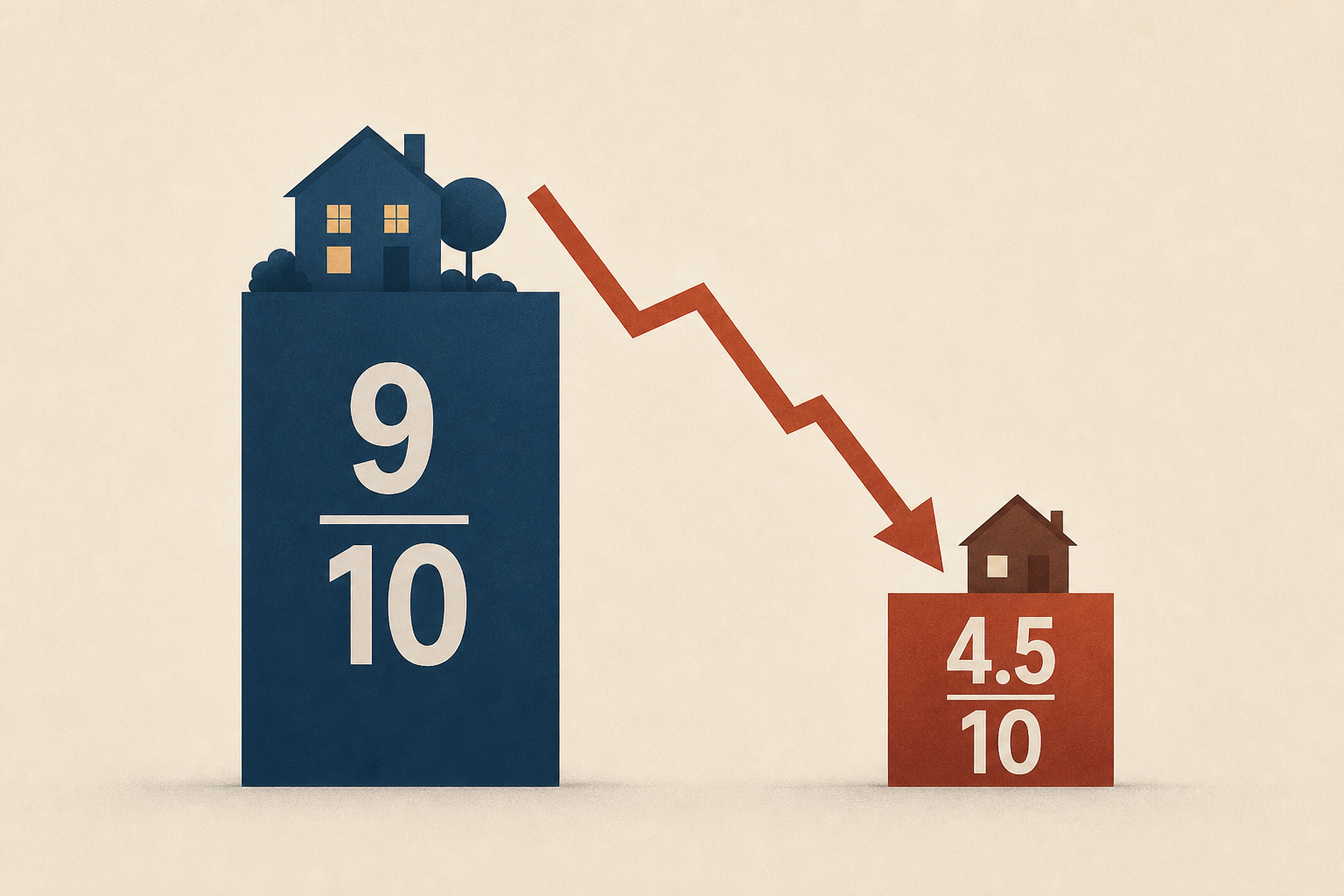
The American dream can be put in a number, and that number has halved: 9 in 10 children born in 1940 grew up to out
Silicon Canals • • business
Key Points:
- A study led by economist Raj Chetty found that about 90% of American children born in 1940 earned more than their parents at the same age, but this figure dropped to roughly 50% for those born in the 1980s, indicating a significant decline in intergenerational income mobility.
- The measure compares inflation-adjusted incomes of children and their parents at the same age, highlighting a sharp decline in middle-class mobility, which challenges the traditional notion of the "American Dream."
- Chetty's team attributes the decline primarily to increased income inequality rather than slower economic growth, showing through simulations that more equitable growth distribution could substantially restore mobility.
- Contrarily, economist Scott Winship's 2022 reanalysis agrees on the mobility decline but argues that slower economic growth, not inequality, is the main cause, suggesting that boosting growth would have a greater impact on restoring mobility.
- While there is consensus that the odds of out-earning one's parents have fallen dramatically, the debate over whether inequality or growth is the primary driver remains unresolved, with each perspective implying different policy approaches to revive economic mobility.


