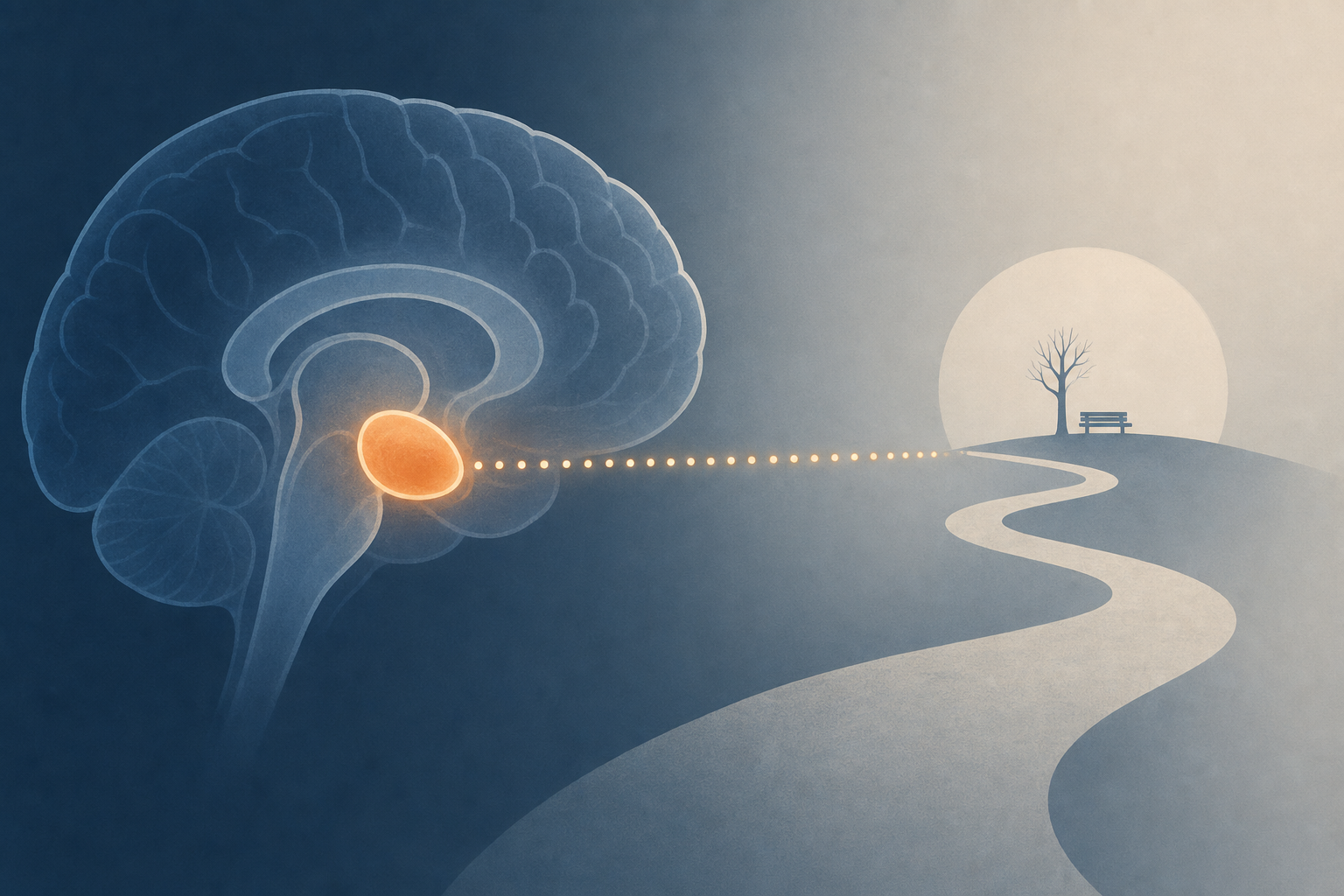
AI Generated Image
The Amygdala Predicts Teen Isolation Years in Advance
Neuroscience News • • science
Key Points:
- A large study of nearly 6,000 youth found that baseline amygdala activity in response to emotional faces uniquely predicts adolescents’ social health profiles two years later, with opposite effects for boys and girls.
- For girls, higher amygdala reactivity predicted greater peer involvement and deeper integration into friend groups, whereas for boys, the same heightened reactivity predicted reduced peer involvement and social withdrawal.
- The amygdala, traditionally linked to fight-or-flight responses, is shown here as a rapid processor of social-emotional cues that influences future social behavior during adolescence.
- Differences in amygdala development timing between sexes during adolescence likely drive these divergent social outcomes, highlighting asynchronous brain maturation as a key factor in social health trajectories.
- This research, based on data from the ABCD Study and published in Developmental Cognitive Neuroscience, advances understanding of the neural underpinnings of adolescent social development and may inform interventions targeting social difficulties.


