AI Image
The bizarre disorder that makes people feel lost all the time
New York Post • • health
Key Points:
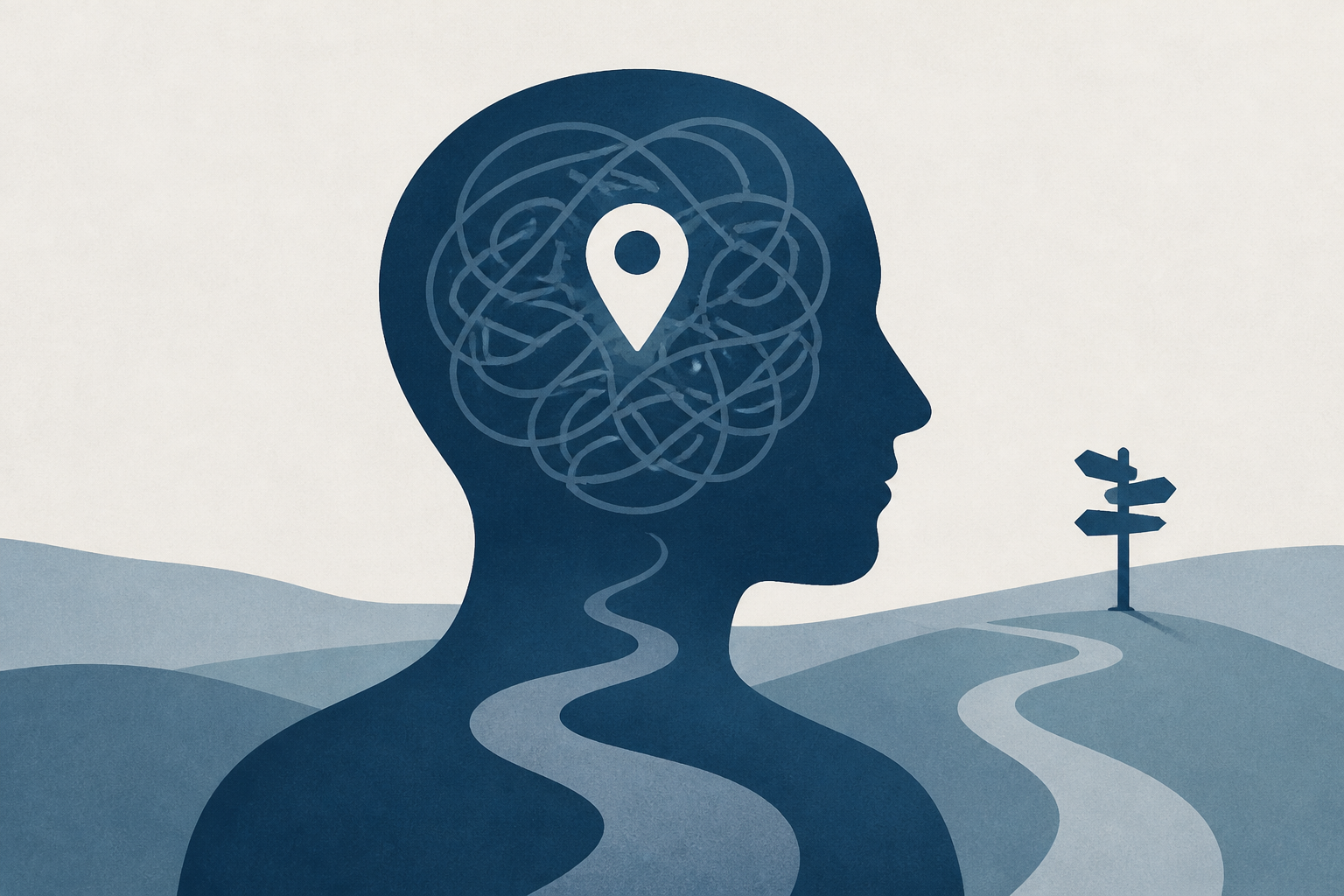
- Developmental topographical disorientation (DTD) is a lifelong disability characterized by an impaired ability to navigate, causing individuals to get lost even in familiar places despite normal cognitive functioning.
- The condition, first reported in 2009, lacks a formal clinical definition but involves difficulties in creating mental maps and spatial awareness, linked to differences in brain areas such as the hippocampus, prefrontal cortex, and parietal lobe.
- People with DTD may face social and emotional challenges, including low self-esteem and higher neuroticism, and can be mistakenly perceived as anxious or less intelligent due to their navigational difficulties.
- The disorder negatively impacts daily life, affecting education, career opportunities, and basic mobility, with some individuals experiencing trouble memorizing locations or interpreting visual scenes.
- Although there is no cure, orientation training focusing on landmark recognition and route memorization may help individuals manage their symptoms.


