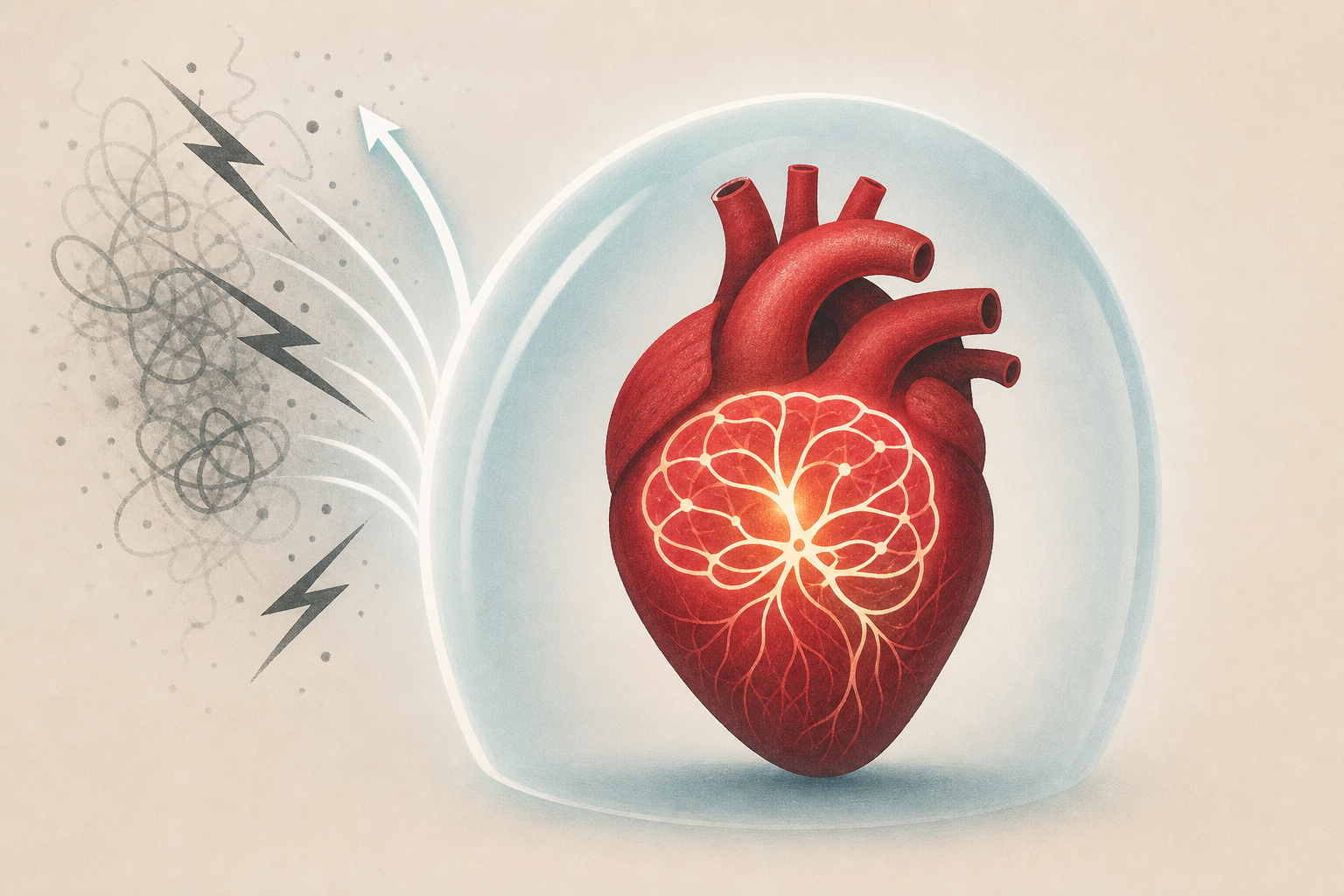
AI Generated Image
The heart has a ‘little brain’ - and it protects against stress
Nature • • science
Key Points:
- Scientists have discovered that the heart contains a complex intrinsic cardiac nervous system with distinct neuronal subtypes that help regulate heartbeat, challenging the traditional view that all cardiac neurons are alike.
- Researchers genetically engineered mice to label and study cardiac neurons, identifying two key subtypes: Npy+ neurons, which slow heart rate and are essential for survival, and Ddah1+ neurons, whose role was initially unclear.
- Stimulation or removal of Npy+ neurons affected heart function significantly, while mice lacking Ddah1+ neurons appeared normal until stressed, when many died due to sudden heart rate drops during blood pressure measurements.
- These findings highlight the importance of both neuronal subtypes in maintaining heart function, especially under stress, and could lead to improved treatments for heart disease.


