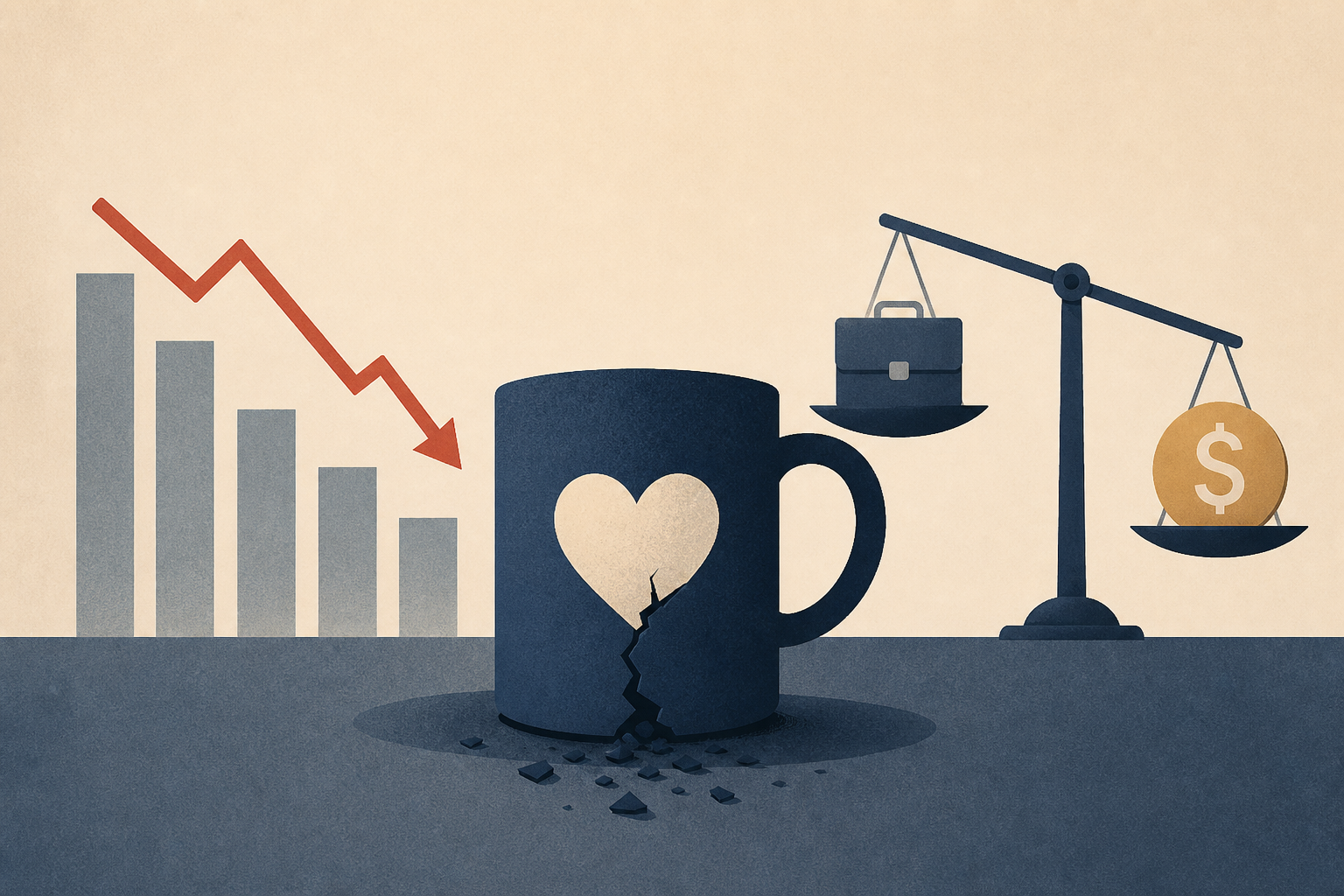
AI Generated Image
The Hidden Cost of Empathy at Work
Business Insider • • business
Key Points:
- During the COVID-19 pandemic, many women managers, like Aimee Young, found themselves taking on significant emotional labor—supporting colleagues' anxieties and well-being—often without recognition or support, leading to burnout.
- Research shows women disproportionately bear this "empathy tax," spending substantial portions of their workweek on caring tasks due to ingrained gender norms that expect warmth and emotional support from women in the workplace.
- Despite the rise of empathetic leadership during the pandemic, a contrasting corporate culture emphasizing toughness, competitiveness, and "masculine energy" has emerged, creating tension and making emotional labor less valued and more taxing.
- Experts argue that organizations must formally acknowledge, measure, and reward emotional labor rather than pathologizing it or leaving it unrecognized, while also setting clear boundaries to prevent burnout and promote sustainable workplace support.
- The imbalance of emotional labor contributes to women's burnout and workforce exit, highlighting a need for systemic change to address gendered expectations and to integrate empathy as a valued leadership skill with tangible business benefits.


