The Iranian Regime’s Deceptive Negotiation Strategy: No Surprises
Jerusalem Center for Security and Foreign Affairs • • world
Key Points:
- Recent Iranian actions, including negotiations with the Trump administration and contradictory statements on the Strait of Hormuz, reflect a longstanding strategic doctrine of deception and concealment rooted in religious and cultural practices such as taqiyya and ketman.
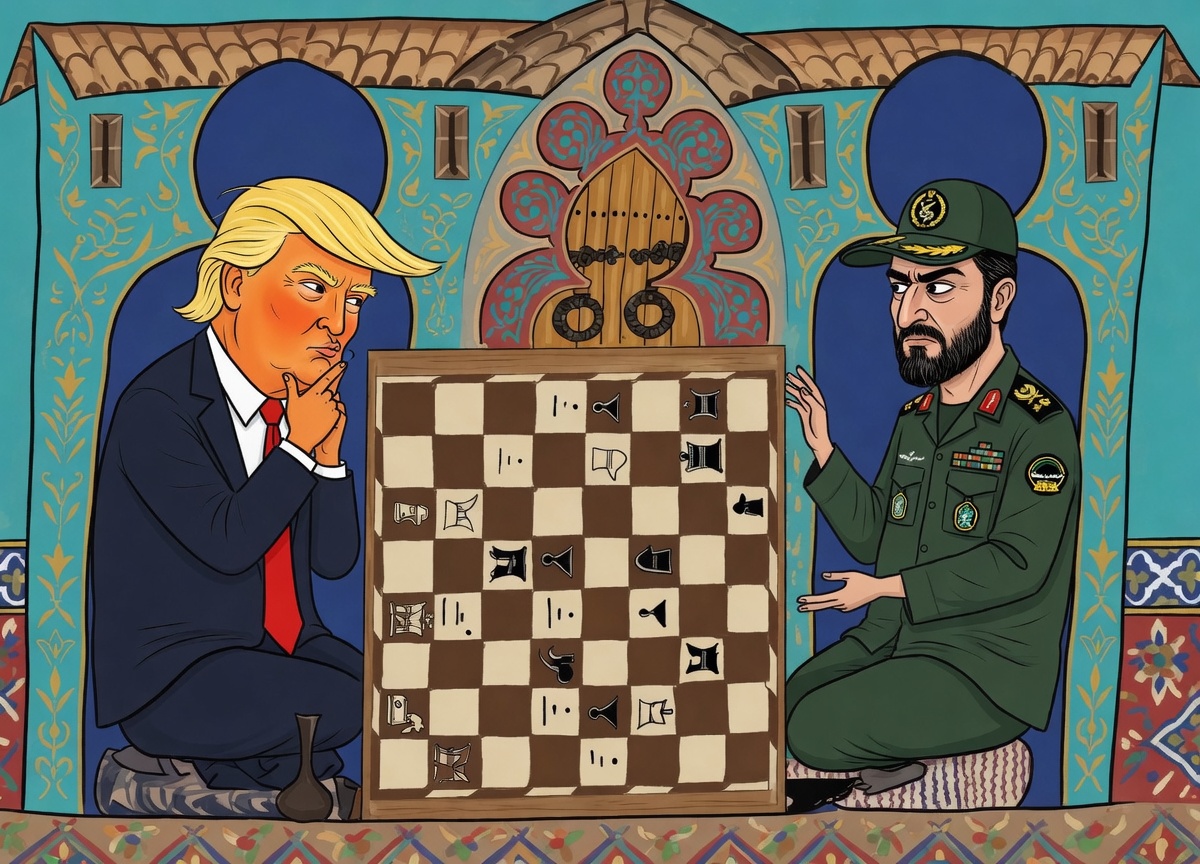
- According to expert analysis, Iran approaches negotiations as a chess game aimed at outmaneuvering opponents, using talks to buy time, escalate conflicts through proxies, and exploit regional divisions, particularly targeting Sunni Gulf states.
- Historical evidence reveals Iran's pattern of nuclear deception, including covert weapons programs and misleading international agreements like the JCPOA, underscoring the regime's apocalyptic ideology that prioritizes survival and weapon acquisition over diplomatic stability.
- Iran’s recent attempt to leverage U.S. talks to restrain Israeli operations against Hizbullah failed, leading to escalated tensions exemplified by the Strait of Hormuz blockade and subsequent conflicting Iranian statements, illustrating Tehran's tactic of public concession followed by private renegotiation.
- The analysis concludes that Iran does not honor agreements but exploits them, responding only to credible and sustained pressure; thus, U.S. policymakers face the challenge of recognizing and adapting to Tehran’s consistent strategy of deception and escalation.


 { path { fill: %23EEEFE9 } })