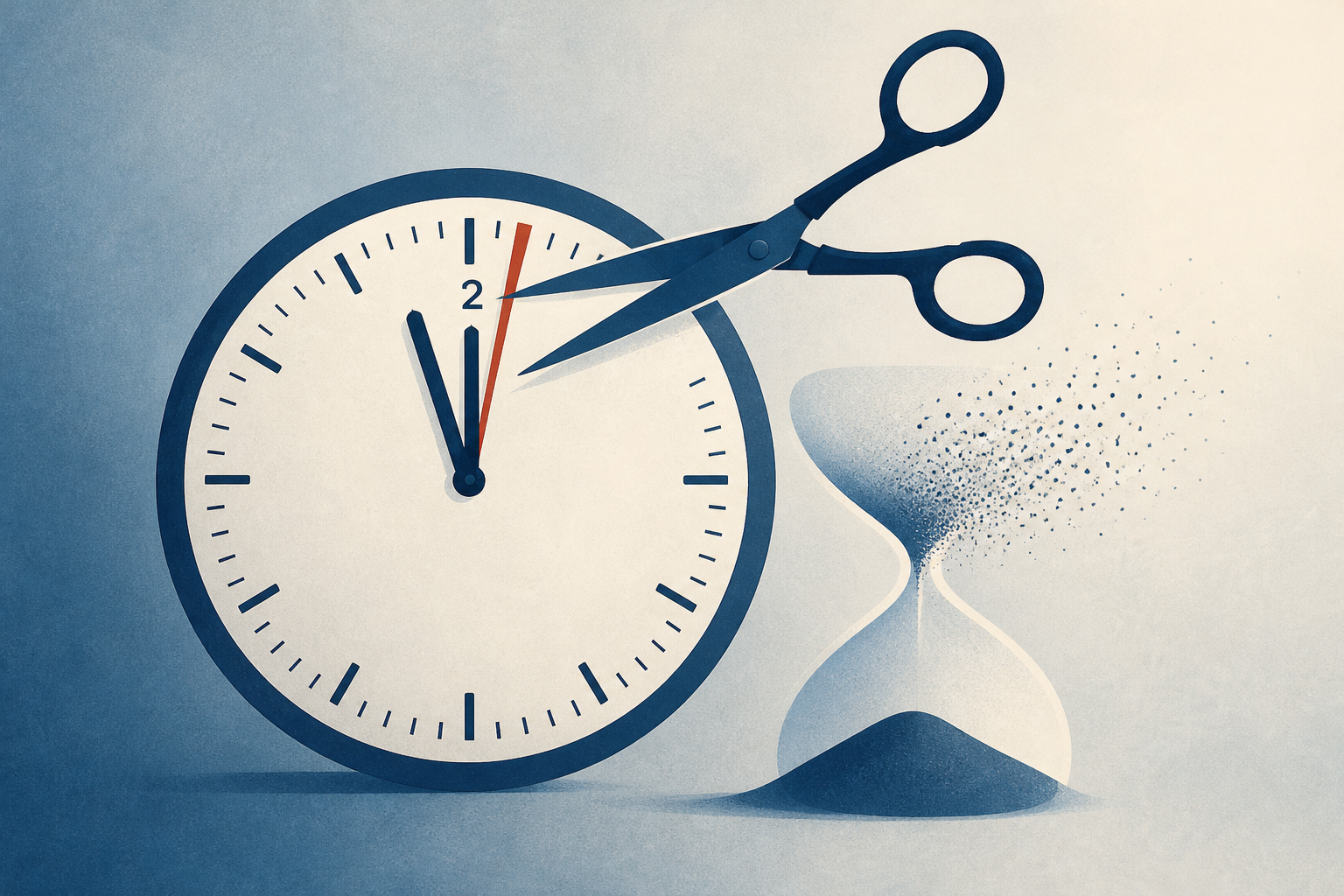
AI Image
The leap second is on the chopping block - and timekeeping could change forever
KSL • • science
Key Points:
- International timekeepers are set to vote on eliminating the leap second, a small adjustment that keeps atomic time synchronized with Earth's irregular rotation, with the change proposed to take effect in May 2027.
- Leap seconds have caused technical issues for data servers, financial systems, and other infrastructure, prompting calls from major tech companies to remove them in favor of continuous atomic time.
- The debate has intensified due to the possibility of a negative leap second—subtracting a second—which has never been done before and could disrupt digital systems reliant on precise timekeeping.
- Opponents argue that leap seconds preserve the intrinsic link between human timekeeping and Earth's rotation, warning that abolishing them would require extensive software changes and disrupt traditional time concepts.
- The proposed solution allows atomic time to drift from astronomical time by up to one hour over thousands of years, deferring the problem to future generations who might implement a "leap hour" adjustment.


