AI Generated Image
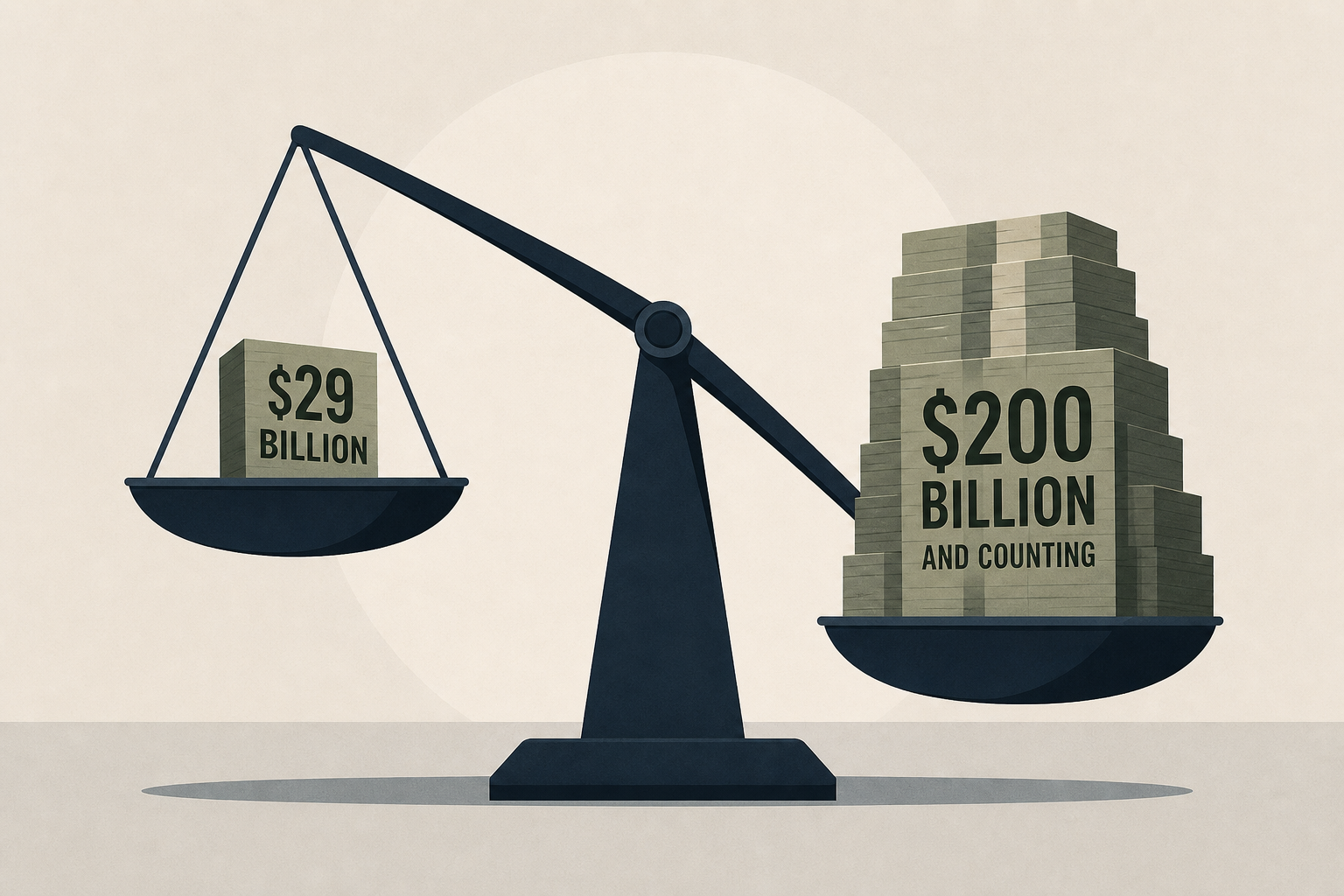
The Pentagon said Iran War costs $29 billion, but the real cost is closer to $200 billion-and counting
Fortune • • nation
Key Points:
- The U.S. Department of Defense has requested an additional $80 billion to fund ongoing military operations related to the conflict, with total war costs to date estimated at $132 billion and projected to rise significantly due to munitions replacement and infrastructure repairs.
- The war has caused a substantial increase in energy prices, with Americans paying an extra $61.7 billion for gasoline and diesel since late February, translating to about $471 per household, and fuel prices expected to remain elevated until at least next year.
- Military expenditures have rapidly depleted key missile stockpiles, and repairing damaged U.S. military facilities in the Middle East could cost between $200 billion and $300 billion over the next several years, potentially driving total war-related expenses toward $1 trillion.
- The conflict has negatively impacted global economic growth, with stock markets valued $3 trillion lower than they would be otherwise and global GDP reduced by approximately 0.6%, leading to job losses in the U.S. and Europe due to increased economic uncertainty and high energy costs.
- Despite growing public disapproval of President Trump’s handling of the war, the administration prioritizes preventing Iran from acquiring nuclear weapons over domestic financial concerns, seeking a significant increase in the defense budget amid congressional skepticism.


