AI Image
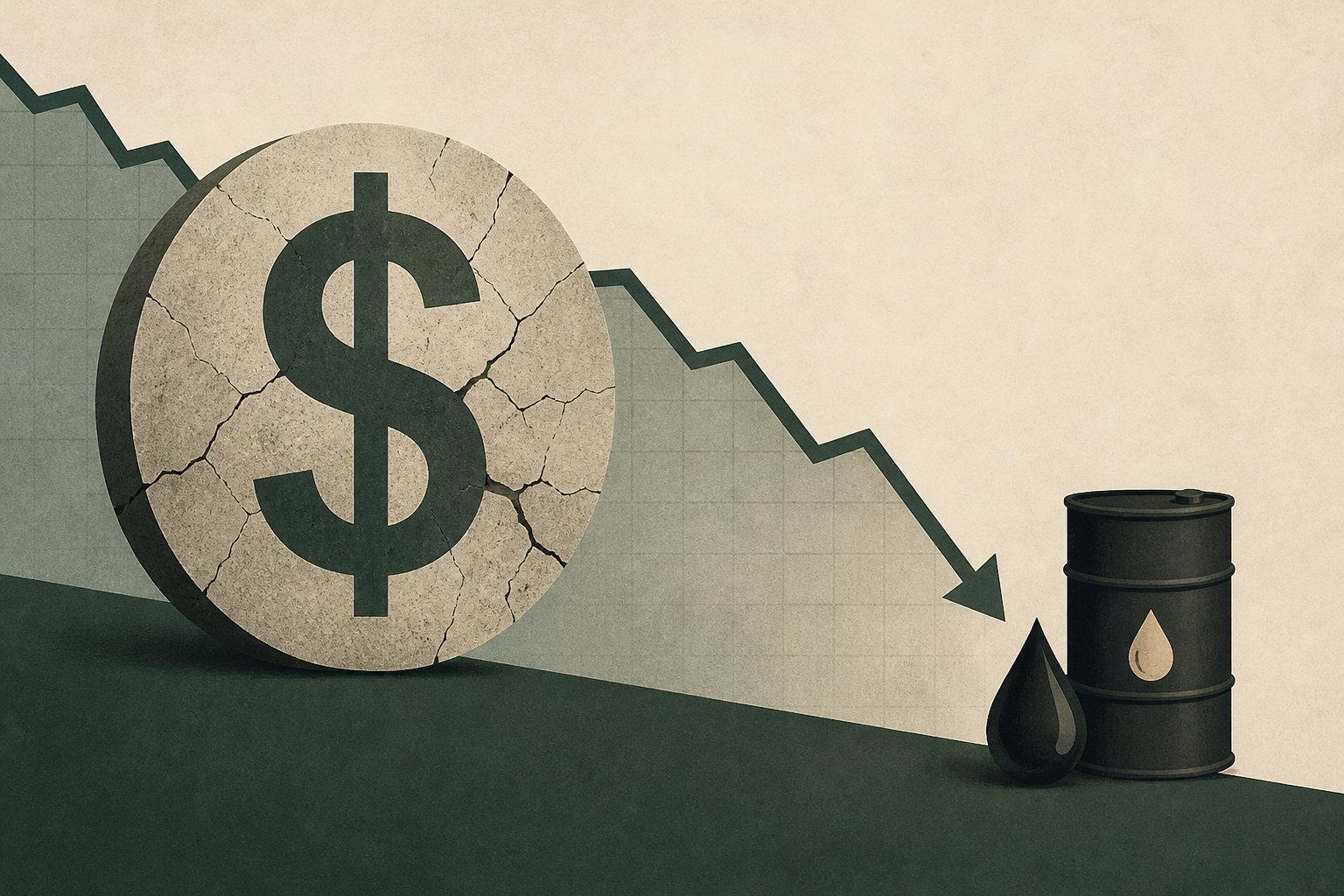
The ‘petrodollar’ has been weakening for years, economists warn. The Iran war put a spotlight on it
Fortune • • business
Key Points:
- The petrodollar system, established in 1974 through a secret deal between Henry Kissinger and Saudi Arabia, has underpinned the U.S. dollar's dominance in global trade by requiring oil sales exclusively in dollars in exchange for U.S. military aid and security.
- The ongoing Iran war is exposing vulnerabilities in the petrodollar system, as Gulf countries, including Saudi Arabia, have increasingly diversified their trade partners and currencies, with Saudi Arabia notably signing a $7 billion currency swap with China in 2023 and not renewing its exclusive dollar commitment in 2024.
- China is positioning the yuan as a viable alternative to the petrodollar by facilitating oil trades in yuan, supporting digital currency exchanges, and investing heavily in renewable energy and financial infrastructure to challenge U.S. economic dominance.
- The closure of the Strait of Hormuz by Iran and the use of yuan for oil payments during conflicts have accelerated de-dollarization trends, with China's oil purchases now constituting 90% of Iran's exports, signaling a shift in global currency dynamics.
- While the petrodollar still dominates international transactions, experts suggest its dominance is eroding, and the ongoing conflict in Iran could be a pivotal moment determining whether the petrodollar maintains supremacy or the petroyuan emerges as a significant alternative.


